
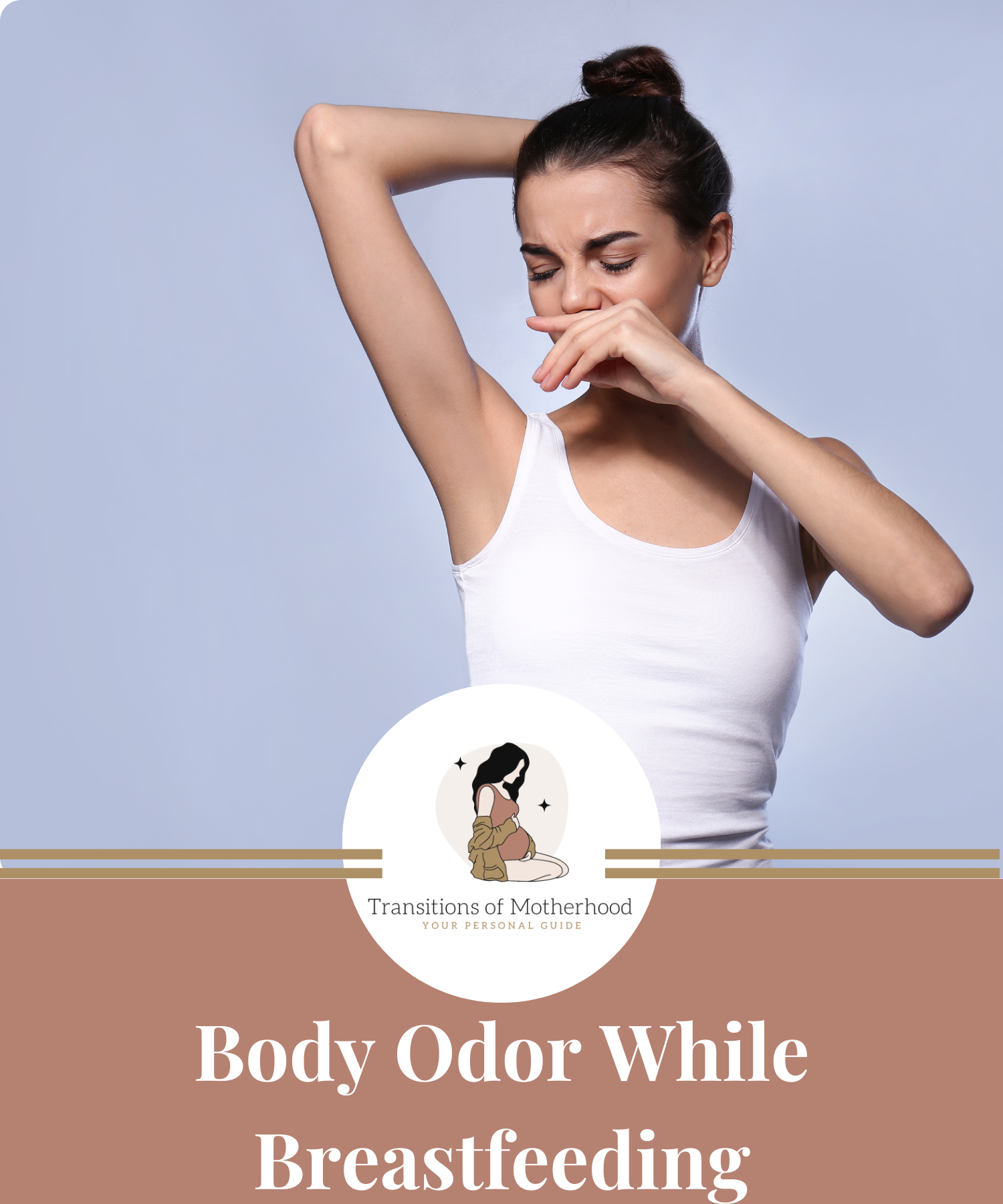
The journey of motherhood is a transformative experience, marked by profound physical, emotional, and hormonal changes. Among the many adjustments a new mother faces, one of the most unexpected and often overlooked challenges is postpartum body odor. This phenomenon, while common, can feel isolating and even distressing for women navigating the already overwhelming postpartum period. The sudden shift in scent is not merely a superficial issue—it is a tangible reflection of the body’s intricate hormonal dance, a reminder of the incredible, albeit complex, process of recovery and adaptation.
The Science Behind Postpartum Body Odor: Hormones at Work
To understand why postpartum body odor occurs, it’s essential to delve into the hormonal upheavals that follow childbirth. During pregnancy, a woman’s body undergoes a surge in hormones like estrogen and progesterone, which play crucial roles in supporting fetal development. However, once the baby is born, these hormone levels plummet dramatically. This sudden drop can trigger a cascade of physiological responses, including increased sweat production and changes in the composition of sweat itself.
Sweat, typically odorless, becomes a breeding ground for bacteria when it interacts with the altered chemistry of the skin post-delivery. The apocrine glands, which are concentrated in areas like the underarms and groin, produce a thicker, fattier sweat that is particularly prone to bacterial breakdown. This process releases volatile organic compounds (VOCs), which are responsible for the distinct, often pungent, odor that many new mothers report. Additionally, the stress and fatigue of caring for a newborn can further exacerbate sweat production, compounding the issue.
It’s not just the hormonal fluctuations that contribute to this change. The body’s immune system is also in flux, as it recovers from the demands of pregnancy and childbirth. Inflammation and immune responses can alter the skin’s microbiome, creating an environment where odor-causing bacteria thrive. This interplay between hormones, sweat, and bacteria creates a perfect storm for postpartum body odor, making it a common yet deeply personal challenge for many women.
Why Does It Feel So Personal? The Emotional Weight of Postpartum Odor
While postpartum body odor is a biological reality, its emotional impact can be profound. For many women, the loss of control over their scent—something they once took for granted—can feel like an invasion of their sense of self. The postpartum period is already a time of vulnerability, where new mothers grapple with identity shifts, sleep deprivation, and the overwhelming responsibility of caring for a newborn. The addition of an unexpected and persistent odor can amplify feelings of inadequacy or self-consciousness.
Society often places immense pressure on new mothers to “bounce back” quickly, both physically and emotionally. The expectation to maintain a certain standard of cleanliness and freshness can feel unattainable when the body is still in recovery mode. This disconnect between societal expectations and the reality of postpartum life can lead to a sense of shame or embarrassment. Women may avoid social interactions, hesitate to cuddle their babies, or feel a nagging sense of failure, all because of a scent they cannot control.
It’s important to recognize that this emotional response is valid. The postpartum body is not just a vessel for a new life; it is a testament to the incredible resilience of the human body. Yet, the stigma surrounding postpartum body odor can make it difficult for women to voice their struggles or seek solutions. Breaking this silence is crucial, as it allows for a more compassionate and realistic understanding of the postpartum experience.
Adaptive Fragrance: A Gentle Solution for a Complex Problem
Given the hormonal and physiological roots of postpartum body odor, traditional deodorants and antiperspirants may not always provide the relief new mothers need. Many commercial products contain harsh chemicals or strong fragrances that can irritate sensitive postpartum skin or fail to address the root cause of the odor. This is where adaptive fragrance comes into play—a tailored approach to scent that respects the body’s natural changes while offering comfort and confidence.
Adaptive fragrance products are designed to work with the body’s evolving chemistry, rather than against it. These products often feature milder, natural ingredients that support the skin’s microbiome rather than disrupt it. For example, deodorants formulated with probiotics or prebiotics can help balance the skin’s bacterial environment, reducing the growth of odor-causing bacteria. Ingredients like aloe vera, coconut oil, and shea butter provide gentle hydration and soothing properties, which are particularly beneficial for postpartum skin that may be sensitive or prone to irritation.
Another key aspect of adaptive fragrance is the use of subtle, skin-friendly scents. Overpowering perfumes or synthetic fragrances can feel overwhelming in the postpartum period, especially when the body’s natural scent is already in flux. Instead, adaptive products often feature light, natural essences like lavender, chamomile, or citrus, which can uplift the senses without overwhelming them. These scents can also serve as a gentle reminder of self-care, a small but meaningful way to reconnect with one’s own needs amidst the chaos of new motherhood.
It’s worth noting that adaptive fragrance is not a one-size-fits-all solution. Every woman’s postpartum journey is unique, and what works for one may not work for another. Experimentation and patience are key. Some women may find relief in natural deodorants, while others may prefer fragrance-free options to avoid any potential irritation. The goal is to find a product that aligns with both the body’s needs and the emotional comfort of the individual.
The Role of Self-Care in Postpartum Well-Being
Beyond the practical solutions, it’s essential to address the broader context of self-care in the postpartum period. Body odor, while a tangible issue, is often a symptom of deeper needs—needs for rest, nourishment, and emotional support. The postpartum body is in a state of repair, and it requires time, patience, and kindness to heal fully. This means prioritizing sleep, staying hydrated, and nourishing the body with wholesome foods, all of which can indirectly influence scent and overall well-being.
Self-care also extends to mental and emotional health. The postpartum period can be isolating, and the pressure to “have it all together” can feel crushing. Acknowledging the challenges of postpartum body odor—and giving oneself permission to feel frustrated or overwhelmed—is a crucial step toward healing. Support from partners, family, and friends can make a world of difference, as can seeking out communities of other new mothers who share similar experiences. There is strength in vulnerability, and recognizing that postpartum body odor is a shared struggle can foster a sense of solidarity and understanding.
In some cases, persistent or severe body odor may warrant a conversation with a healthcare provider. While it is a common postpartum issue, it can sometimes signal underlying imbalances, such as thyroid dysfunction or infections. A healthcare professional can provide personalized guidance and rule out any medical concerns, offering peace of mind and targeted solutions.
Conclusion
Postpartum body odor is more than just a fleeting inconvenience—it is a vivid reminder of the body’s remarkable, if sometimes messy, journey through motherhood. It reflects the hormonal symphony that orchestrates recovery, the bacterial ecosystems that shift with every change, and the emotional landscape that is still finding its footing. While adaptive fragrance can offer practical relief, the deeper solution lies in embracing the postpartum experience with compassion and understanding.
For new mothers grappling with this challenge, it’s important to remember that the scent of the postpartum body is not a flaw but a testament to the incredible work the body has done. It is a fleeting chapter in a much larger story, one that will eventually give way to new rhythms and renewed confidence. In the meantime, gentle solutions, self-care, and a supportive community can help navigate this unexpected terrain, ensuring that the journey of motherhood is met with kindness, both from within and from those around us.