
Have you ever spritzed on your favorite perfume, only to be met with a scent that feels entirely different from what you expected? Or perhaps the fragrance fades too quickly, leaving you puzzled about why it doesn’t linger as it once did. The answer might lie not in the perfume itself, but in the chemistry of your skin. Your skin’s pH—a measure of its acidity or alkalinity—plays a silent yet powerful role in how a fragrance unfolds, evolves, and eventually dissipates. This invisible force shapes your olfactory experience in ways you may never have considered.
Imagine your skin as a dynamic canvas, constantly reacting to the environment, your diet, your stress levels, and even the products you use. Each of these factors can subtly alter your skin’s pH, which in turn influences how a perfume’s notes interact with your body. A fragrance that smells bright and citrusy on one person might transform into something deeper and muskier on another, all because of a shift in pH. This phenomenon isn’t just a curiosity—it’s a game-changer for anyone who wears perfume regularly. Understanding how your skin’s pH affects fragrance can help you choose scents that truly complement your unique chemistry, ensuring that every application feels intentional and rewarding.
The Science of Skin pH: Your Skin’s Invisible Fingerprint
Your skin’s pH typically ranges between 4.5 and 5.5, placing it in the acidic zone. This acidity is crucial for maintaining the skin barrier, preventing infections, and regulating moisture. However, this pH isn’t static. Factors like age, gender, climate, and even the products you apply can cause it to fluctuate. For instance, using alkaline soaps or cleansers can temporarily raise your skin’s pH, while acidic toners or exfoliants can lower it. These changes, though often minor, can significantly impact how a perfume interacts with your skin.
When you apply perfume, its alcohol base begins to evaporate, leaving behind the fragrance oils. These oils then interact with the sebum (oil) on your skin. If your skin is more acidic, the fragrance may project more sharply and fade faster, as the oils break down the scent molecules more quickly. Conversely, a slightly more alkaline skin might cause the fragrance to mellow out, with the notes blending more harmoniously over time. This explains why the same perfume can smell entirely different on two people—it’s not just about personal preference, but about the chemistry of their skin.
How Perfume Notes React to Your Skin’s Chemistry
Perfumes are crafted from a symphony of notes—top, middle, and base—that unfold over time. But these notes don’t behave the same way on every skin. The top notes, which are the first impression of a fragrance, are highly volatile and evaporate quickly. On acidic skin, these notes may dissipate even faster, leaving the middle and base notes to dominate sooner. This can result in a fragrance that feels less balanced, with the initial burst of freshness disappearing too quickly.
The middle notes, or heart notes, are the soul of the fragrance. They emerge once the top notes fade and are responsible for the perfume’s character. On skin with a higher pH, these notes might blend more smoothly, creating a richer, more cohesive scent profile. However, if your skin is too alkaline, the middle notes could become muted, making the fragrance feel flat or underwhelming. The base notes, which are the deepest and longest-lasting, are less affected by pH but can still be influenced by the overall skin chemistry. A perfume with strong base notes, like vanilla or musk, might last longer on skin that’s slightly more acidic, as the oils help anchor the scent.
Understanding how your skin’s pH interacts with these notes can help you select fragrances that align with your natural chemistry. For example, if you have naturally acidic skin, you might opt for perfumes with bold, long-lasting base notes to ensure the fragrance lingers. If your skin leans slightly alkaline, you could experiment with lighter, more airy scents that complement the natural blending of notes.
The Role of Sebum: Your Skin’s Natural Perfume Enhancer
Sebum, the oily substance produced by your sebaceous glands, is another critical player in how perfume interacts with your skin. Sebum acts as a solvent, helping to dissolve and disperse the fragrance oils. The amount and composition of sebum vary from person to person, influenced by genetics, age, and even hormones. For instance, people with oily skin might find that their perfumes last longer and project more, while those with dry skin may notice that the scent fades more quickly.
But sebum isn’t just about quantity—it’s also about quality. The fatty acids in sebum can react with the fragrance oils, altering their scent profile. For example, a perfume with citrus top notes might smell sharper on skin with higher sebum levels, as the oils enhance the volatility of the citrus compounds. On the other hand, a floral fragrance might smell more rounded and velvety on skin with balanced sebum, as the oils help to soften the edges of the floral notes.
This is why some people swear by applying a light moisturizer before spraying perfume. A well-chosen moisturizer can mimic the effects of sebum, helping to enhance the fragrance’s longevity and projection. However, it’s essential to choose a moisturizer that complements your skin’s pH. A heavy, occlusive moisturizer might clog pores and alter the fragrance’s natural evolution, while a lightweight, pH-balanced formula can provide the perfect foundation for your scent.
Practical Tips for Harnessing Your Skin’s pH for Better Fragrance
Now that you understand the role of skin pH in fragrance, how can you use this knowledge to your advantage? Here are some practical tips to help you make the most of your perfume:
- Know Your Skin’s pH: While you can’t measure your skin’s pH at home, paying attention to how your skin reacts to different products can give you clues. If your skin feels tight or irritated after using certain cleansers, it might be more alkaline. If it feels balanced and hydrated, it’s likely closer to the ideal acidic range.
- Choose Fragrances That Complement Your Chemistry: If you have oily skin, opt for perfumes with strong base notes to ensure longevity. If your skin is dry, look for fragrances with rich, creamy middle notes that can help the scent linger.
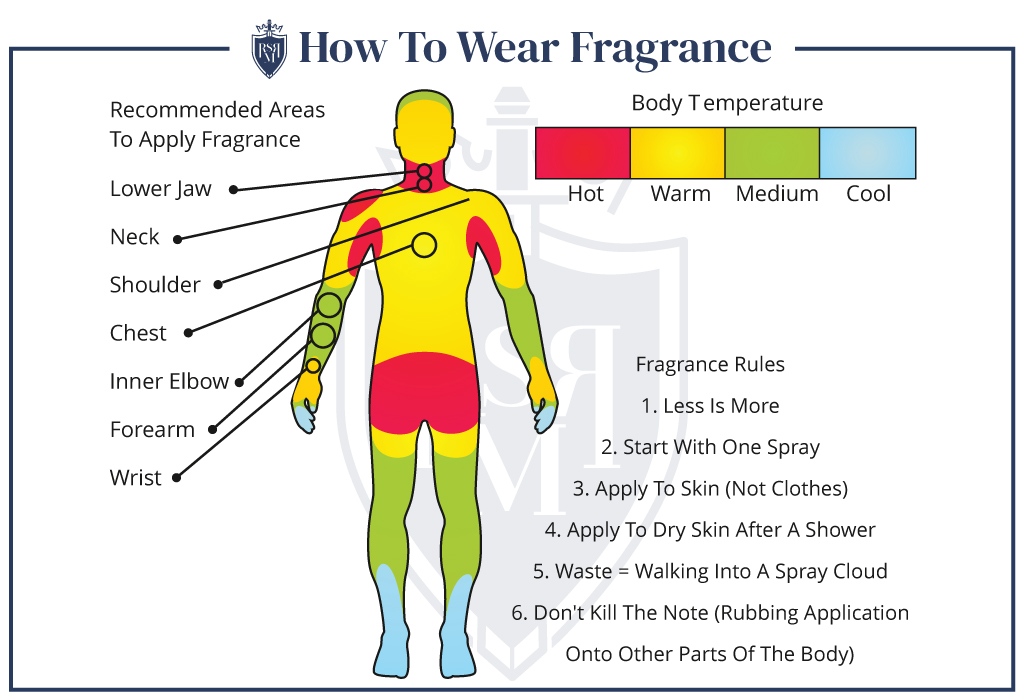
- Experiment with Application Techniques: Try spraying perfume on different areas of your body to see how it reacts. Pulse points like the wrists and neck are classic choices, but don’t overlook areas like the inner elbows or behind the knees, where the skin’s pH might differ slightly.
- Use a pH-Balanced Moisturizer: A good moisturizer can enhance the performance of your perfume. Look for one that’s formulated to balance your skin’s pH, and apply it before spraying your fragrance.
- Keep a Fragrance Journal: Track how different perfumes react on your skin over time. Note the pH of your skin (if you can estimate it) and how the fragrance evolves. This can help you identify patterns and make more informed choices in the future.
Breaking Free from the One-Size-Fits-All Approach
The perfume industry has long operated on the assumption that fragrances should smell the same on everyone. But as we’ve seen, this simply isn’t the case. Your skin’s pH, sebum levels, and even your diet can all influence how a perfume smells on you. This means that the “perfect” fragrance for someone else might not be the right choice for you—and that’s okay. Embracing the uniqueness of your skin’s chemistry can lead to a more personalized and satisfying fragrance experience.
Think of your skin as a living, breathing organ that interacts with the world in ways that are entirely your own. The perfumes you wear should reflect that individuality. Instead of chasing trends or relying on generic recommendations, take the time to explore how different scents interact with your skin. You might discover fragrances that you never would have considered otherwise, simply because they align with your natural chemistry.
This shift in perspective can be liberating. It encourages you to see perfume not as a fleeting accessory, but as an extension of yourself—a way to express your personality and enhance your presence. And when you finally find a fragrance that feels like it was made for you, the experience is nothing short of magical.
Conclusion
Your skin’s pH is more than just a scientific curiosity—it’s the invisible hand that shapes your fragrance experience. From the way top notes evaporate to how base notes linger, every aspect of a perfume’s performance is influenced by the chemistry of your skin. By understanding this relationship, you can make more informed choices about the fragrances you wear, ensuring that each application feels intentional and rewarding.
So the next time you reach for your favorite perfume, take a moment to consider the role your skin plays in its journey. Experiment with different scents, application techniques, and skincare routines to find what works best for you. After all, the most beautiful fragrances are the ones that feel like they were made for you.