
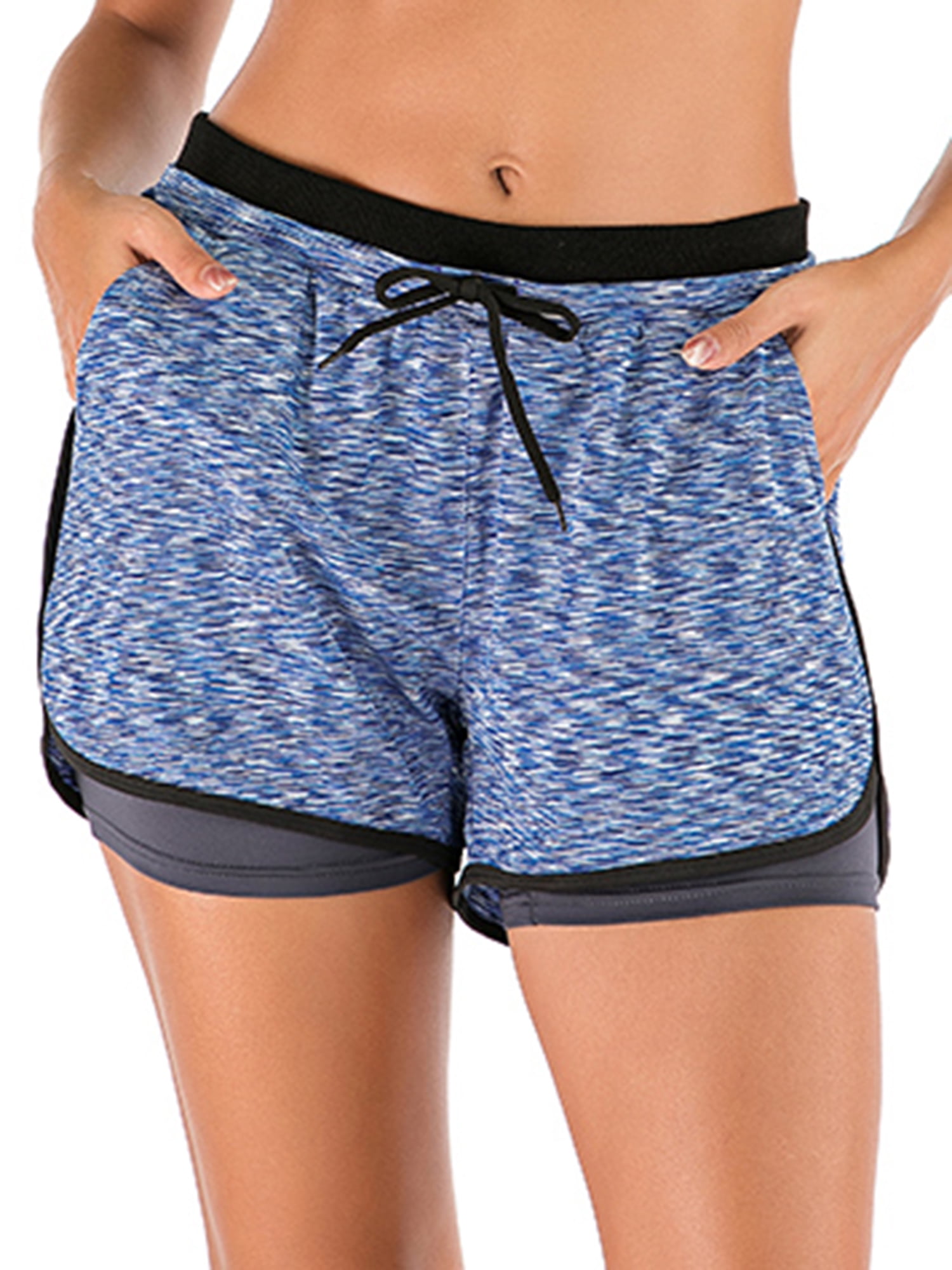
When it comes to gym attire, shorts and a T-shirt have long been staples in fitness fashion. While this combination is widely accepted and utilized by countless individuals, it invites a multifaceted discussion regarding practicality, comfort, and style. Thus, it’s worth examining whether shorts and a T-shirt are appropriate gym wear, and how these choices can impact performance, motivation, and personal expression during workouts.
Historically, gym attire was dictated by function. In the early days of modern fitness, loose-fitting clothing was the norm, prioritizing comfort and breathability over aesthetics. However, as fitness culture evolved, so too did the garments associated with it. Today, the choices people make when dressing for the gym are influenced by various factors, including personal preference, cultural trends, and advancements in fabric technology.
One of the primary advantages of wearing shorts and a T-shirt for exercise is their unrivaled comfort. Shorts allow for freedom of movement, particularly during leg-intensive workouts like squats or lunges. Unlike restrictive pants, shorts facilitate ease during cardio sessions or high-intensity interval training (HIIT), where agility is paramount. The breathable fabric of t-shirts further enhances this comfort, particularly in warmer environments or during heated workouts. Fabrics designed to wick moisture away from the skin can keep you dry and reduce the likelihood of chafing, which can be a significant concern during extended periods of physical exertion.
Moreover, shorts and a T-shirt can provide excellent ventilation. The open design of shorts allows air circulation around the legs, which is crucial when engaging in high-energy activities. Coupled with the lightweight nature of many modern t-shirts, this outfit can help regulate body temperature, significantly enhancing overall performance. A comfortable athlete is more likely to push through challenging workouts, so the practicality of such attire cannot be overstated.
However, the appropriateness of shorts and a T-shirt is not universally applicable. Different types of workouts may call for specific attire to optimize performance. For instance, strength training sessions may benefit from more form-fitting clothing, allowing athletes to observe their form and ensuring no fabric drags during lifts. In these cases, tank tops or compression tops paired with fitted shorts can provide additional support while still ensuring a full range of motion.
Another critical aspect to consider is the social environment of the gym. Fashion in fitness is a rapidly changing landscape, with trends continually emerging. While some individuals feel confident and empowered in a simple t-shirt and shorts, others may feel pressure to conform to the latest athleisure trends, which often favor form-fitting or stylish ensembles. Thus, personal style should not be overlooked; the psychological aspect of feeling good in one’s attire can significantly affect motivation and self-esteem during workouts.
Moreover, cultural considerations can also dictate what is deemed appropriate gym wear. In many Western cultures, shorts and t-shirts are deemed acceptable and practical for a variety of fitness activities. However, in other contexts, such attire might be considered too revealing. Here, understanding the local culture and expectations surrounding fitness wear can inform appropriate sartorial choices. Ultimately, it’s crucial to respect these cultural nuances while remaining true to personal comfort and preferences.
While the practicality of shorts and a T-shirt can be argued convincingly, one must also contemplate the psychological effects of uniformity in gym fashion. Some individuals tend to gravitate toward vibrant colors and fashionable items to express their personality. High-performance activewear brands offer an array of designs, which go beyond mere functionality. These options can make the act of going to the gym feel less like an arduous task and more like an exciting event. In this light, the visual aspect of gym attire can serve to enhance motivation and encourage consistency in workouts.
In the realm of fitness fashion, it is essential to also acknowledge inclusivity. Body positivity movements have made strides in the fitness industry, emphasizing that anyone, regardless of body type or fitness level, can enjoy exercising and feel confident in their attire. Therefore, what one chooses to wear should be rooted in comfort and personal expression rather than societal expectations. As it pertains to shorts and a T-shirt, there is no singular standard of “correct” workout attire; rather, the best choices are those that reflect individual identities, preferences, and comfort levels.
It is also essential to examine the function of undergarments when choosing shorts and t-shirts for physical workouts. A well-fitting sports bra can enhance comfort and support during activities, particularly for those with larger bust sizes, while seamless underwear can diminish the risk of discomfort caused by visible lines and potential chafing. The synergy between these foundational layers and outer garments can greatly influence overall comfort and, ultimately, workout efficacy.
In conclusion, the question of whether shorts and a t-shirt are fitting for the gym encompasses multiple dimensions, including practicality, comfort, societal influences, and personal expression. While many find these garments effective for various workouts, advancements in fitness fashion allow for a nuanced approach to athletic attire. Every individual must determine what works best for their unique needs, preferences, and workout goals. Ultimately, the most essential ingredients for a successful workout lie not only in appropriate clothing but in the confidence and motivation one cultivates from their choices. Fitness fashion should empower, inspire, and allow for personal expression, making the journey toward fitness not only achievable but enjoyable.