

Cracked heels can be more than just an aesthetic concern—they can cause discomfort, pain, and even lead to infections if left untreated. While there are countless commercial products available, many people are turning to natural remedies like beef tallow for a soothing, effective solution. Rich in nutrients and deeply moisturizing, beef tallow has gained popularity as an overnight treatment for cracked heels. This article explores how beef tallow works, its benefits, application methods, and what readers can expect from using it.
Why Beef Tallow is an Effective Treatment for Cracked Heels
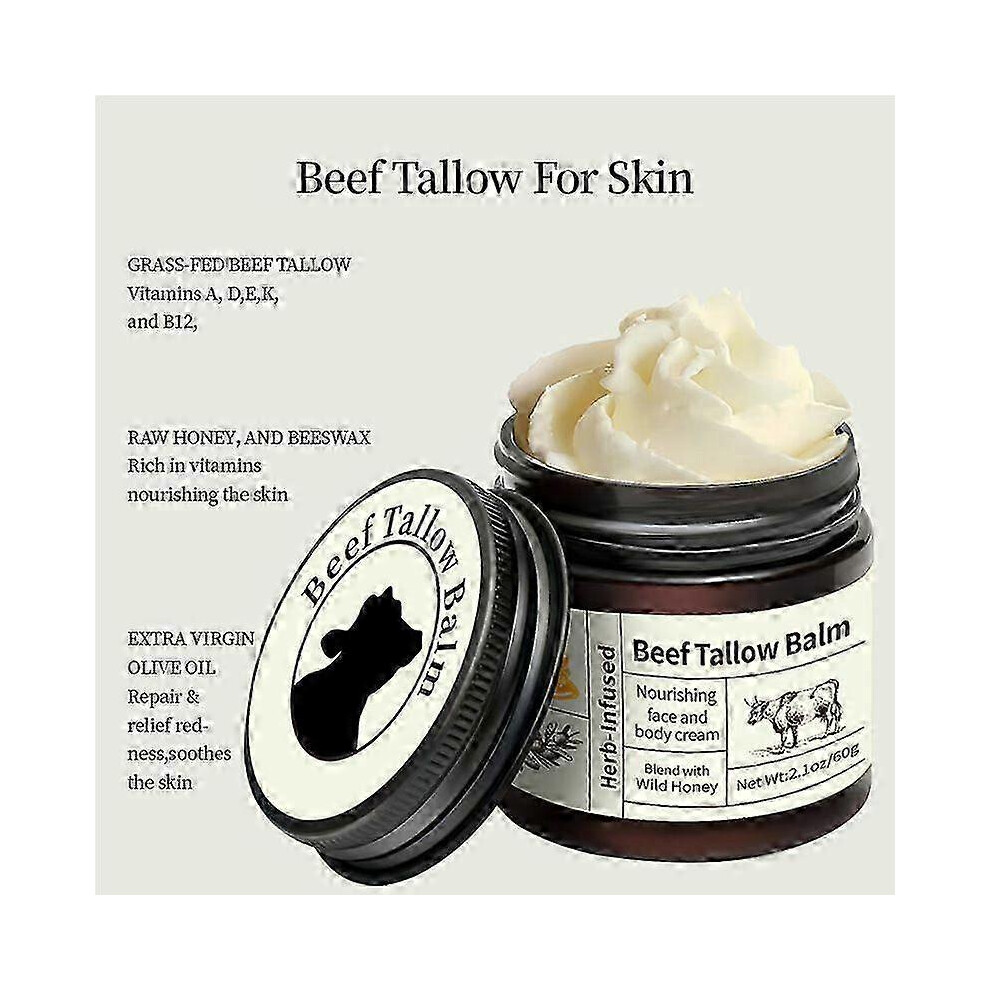
Beef tallow is rendered fat from grass-fed cattle, and it’s packed with essential fatty acids, vitamins A, D, E, and K, and natural cholesterol. These components make it an excellent emollient that penetrates deep into the skin, providing intense hydration and promoting healing. Unlike many synthetic moisturizers, beef tallow closely mimics the skin’s natural sebum, allowing it to absorb more effectively without clogging pores.
For those with cracked heels, beef tallow offers several advantages:
- Deep Moisturization: The fatty acids in beef tallow help restore the skin’s lipid barrier, preventing moisture loss and softening rough, dry skin.
- Anti-Inflammatory Properties: The presence of vitamins A and E helps reduce inflammation, soothing irritated skin and promoting faster healing.
- Natural Antibacterial Effects: Beef tallow contains conjugated linoleic acid (CLA), which has mild antibacterial properties, helping to prevent infections in cracked areas.
- Long-Lasting Hydration: Unlike water-based lotions that evaporate quickly, beef tallow forms a protective layer on the skin, locking in moisture for hours.

How to Choose the Right Beef Tallow Product
Not all beef tallow products are created equal. To ensure you’re getting a high-quality treatment for cracked heels, consider the following factors:
- Source of the Tallow: Opt for tallow derived from grass-fed, pasture-raised cattle. Grass-fed tallow contains a better balance of fatty acids and is free from hormones and antibiotics.
- Processing Method: Look for tallow that is minimally processed and unrefined. Cold-pressed or raw tallow retains more nutrients and is less likely to contain harmful additives.
- Additional Ingredients: Some products combine beef tallow with other skin-loving ingredients like honey, beeswax, or essential oils. These can enhance the healing properties but ensure they are natural and beneficial for your skin type.
- Texture and Consistency: For cracked heels, a thicker, balm-like consistency is ideal as it stays in place longer and provides deeper hydration.
When purchasing, check reviews and certifications to verify the product’s quality. Many reputable brands offer organic, non-GMO options that are free from synthetic fragrances and preservatives.
Step-by-Step Guide to Using Beef Tallow for Cracked Heels
Applying beef tallow as an overnight treatment is simple, but following the right steps ensures maximum effectiveness. Here’s a detailed guide:
Step 1: Prepare Your Feet
Before applying the tallow, clean and exfoliate your feet to remove dead skin and debris. Soak your feet in warm water for 10-15 minutes to soften the skin, then gently scrub with a pumice stone or foot file. Pat dry thoroughly, paying extra attention to the cracks.
Step 2: Apply a Thin Layer of Beef Tallow
Using clean fingers or a spatula, take a small amount of beef tallow and apply it directly to the cracked areas. Focus on the heels but don’t neglect the sides and balls of your feet. Massage the tallow in circular motions to promote absorption and stimulate blood circulation.
Step 3: Cover with Socks
To lock in moisture and allow the tallow to work its magic overnight, wear a pair of clean, breathable cotton socks. This prevents the tallow from rubbing off on your sheets and ensures it stays in contact with your skin for several hours.
Step 4: Rinse in the Morning
In the morning, wash your feet with lukewarm water to remove any excess tallow. You may notice that your heels feel softer and less painful immediately. For best results, repeat this process nightly until the cracks heal, then use it as a preventive measure 2-3 times a week.
What to Expect During the Healing Process
Consistency is key when using beef tallow for cracked heels. While some people may see improvements within a few days, others might take a couple of weeks to notice significant changes. Here’s what you can expect during the healing journey:
First Few Days
Initially, your feet may still feel dry, but the tallow will prevent further cracking and reduce discomfort. You might notice a slight greasy residue, which is normal. Avoid walking barefoot to prevent slipping and ensure the tallow stays in place.
One Week In
By this time, the cracks should start to close, and the skin will feel smoother. You may still need to apply the tallow nightly, but the frequency can gradually decrease as the skin heals. If the cracks are deep, they might take longer to fully close.
Two Weeks and Beyond
With continued use, the cracks should heal completely, leaving your heels soft and supple. Once healed, you can switch to using beef tallow as a maintenance treatment to prevent recurrence. Regular exfoliation and moisturizing will help keep your feet in top condition.
Potential Side Effects and Precautions
While beef tallow is generally safe for most skin types, it’s important to be aware of potential sensitivities or allergies. Here are some precautions to keep in mind:
- Patch Test: Before applying beef tallow to your feet, do a patch test on a small area of skin to check for any adverse reactions. Wait 24 hours to see if redness, itching, or irritation occurs.
- Allergies to Beef: If you have a known allergy to beef or dairy, consult a healthcare professional before using beef tallow, as it may trigger a reaction.
- Open Wounds: Avoid applying beef tallow to deep or bleeding cracks, as it may cause stinging. Wait until the wounds start to close before using the treatment.
- Clothing Stains: Beef tallow can leave greasy stains on socks and sheets. Use an old pair of socks and place a towel over your bed to protect fabrics.
Alternatives and Complementary Treatments
While beef tallow is highly effective, combining it with other natural remedies can enhance its benefits. Consider the following complementary treatments:
Coconut Oil
Coconut oil is another excellent moisturizer for cracked heels. Its medium-chain fatty acids provide hydration and antibacterial properties. Apply it before bed and cover with socks for a double dose of moisture.
Shea Butter
Shea butter is rich in vitamins and fatty acids, making it a great addition to beef tallow. Mix a small amount of shea butter with tallow for an ultra-nourishing balm.
Essential Oils
Adding a few drops of lavender or tea tree oil to your beef tallow can boost its healing properties. Lavender oil soothes the skin, while tea tree oil has antifungal benefits. Ensure the oils are diluted properly to avoid irritation.
Conclusion
Cracked heels don’t have to be a persistent problem. Beef tallow offers a natural, nutrient-rich solution that hydrates, repairs, and protects the skin overnight. By choosing a high-quality product, following the proper application steps, and being consistent, you can transform rough, painful heels into soft, smooth skin. Whether you’re dealing with mild dryness or deep cracks, beef tallow provides a time-tested remedy that aligns with nature’s healing properties. Give it a try, and let your feet recover while you sleep.