
Beef tallow has been used for centuries in traditional medicine, particularly in skincare and wound healing. Its natural properties make it a compelling option for those seeking external relief from hemorrhoids. This article explores the benefits, application methods, and considerations of using beef tallow-based creams for hemorrhoid discomfort.
Understanding Hemorrhoids and Their Causes
Hemorrhoids, also known as piles, are swollen veins in the lower rectum and anus. They can develop internally or externally and often cause discomfort, itching, and bleeding. Common causes include straining during bowel movements, prolonged sitting, chronic constipation, or pregnancy. External hemorrhoids, in particular, can be painful due to the sensitive skin around the anus.
While hemorrhoids are a common condition, their symptoms can significantly impact daily life. Many people turn to over-the-counter treatments, but natural alternatives like beef tallow offer a gentler approach with fewer side effects.
The Benefits of Beef Tallow for Hemorrhoid Relief
Beef tallow is rendered fat from cows, rich in fatty acids, vitamins A, D, E, and K, and minerals like zinc. These components contribute to its healing properties:
- Anti-inflammatory effects: The fatty acids in beef tallow help reduce inflammation, which can alleviate swelling and discomfort associated with hemorrhoids.
- Moisturizing and protective barrier: Its thick consistency forms a protective layer on the skin, preventing further irritation from friction or moisture loss.
- Promotes skin repair: Vitamins A and E support skin regeneration, aiding in the healing of damaged tissues around the anal area.
- Antimicrobial properties: Beef tallow contains conjugated linoleic acid (CLA), which may help combat bacteria and reduce the risk of infection.
Unlike synthetic creams that may contain harsh chemicals, beef tallow is a natural, biodegradable option that works in harmony with the body’s own healing processes.
How to Use Beef Tallow Cream for Hemorrhoids
Applying beef tallow cream correctly maximizes its benefits. Follow these steps for effective relief:
- Clean the affected area: Gently wash the area with mild soap and warm water. Pat dry with a clean towel to avoid further irritation.
- Apply a small amount: Using clean hands or a cotton swab, apply a thin layer of the cream to the external hemorrhoid. Avoid excessive rubbing, as this can cause discomfort.
- Reapply as needed: For best results, use the cream 2-3 times daily, especially after bowel movements or bathing.
- Store properly: Keep the cream in a cool, dry place to maintain its consistency and potency. Some users prefer to store it in the refrigerator for a cooling effect.
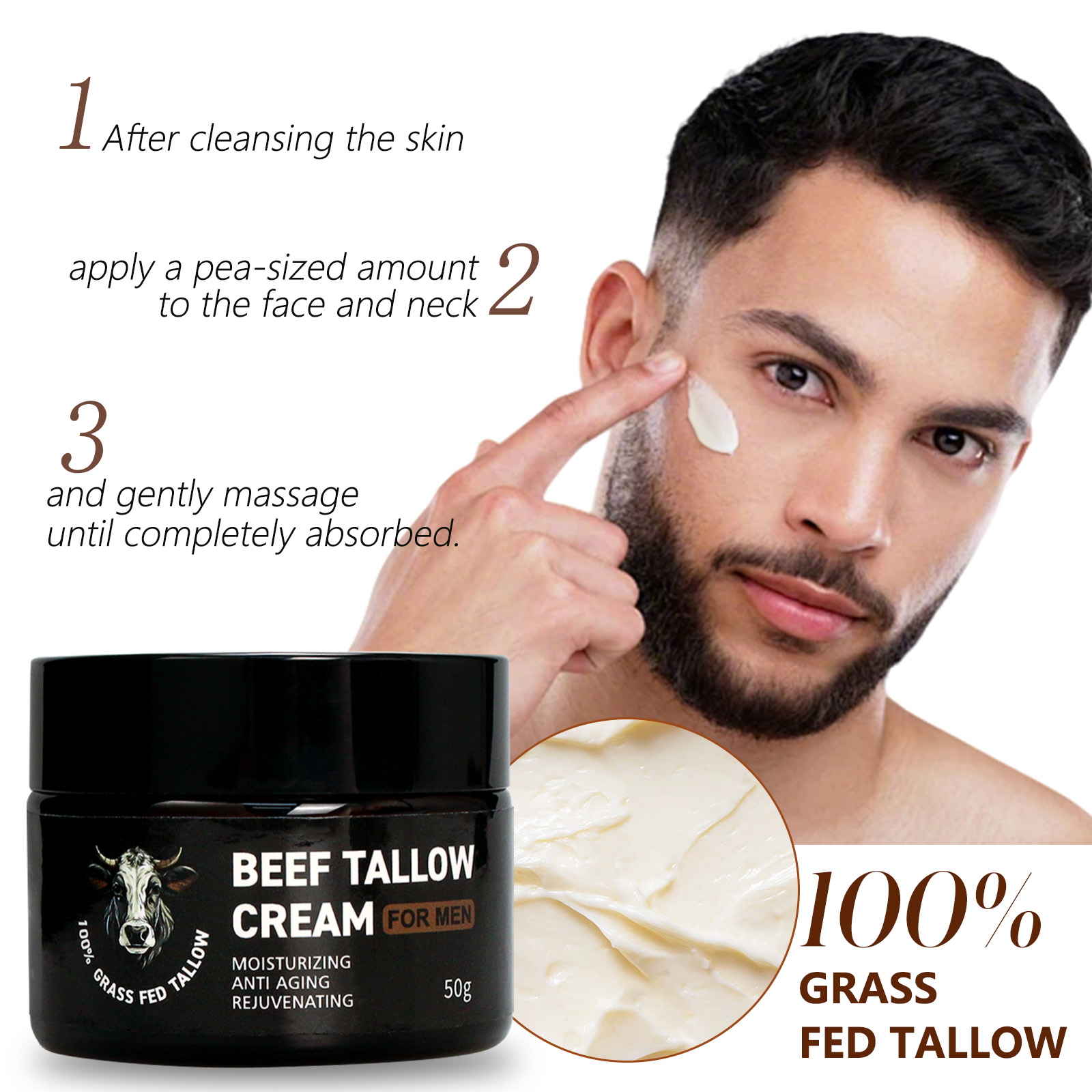
Consistency is key—while some users report immediate relief, others may need several days of regular application to notice improvements.
Comparing Beef Tallow Cream to Other Hemorrhoid Treatments
When evaluating hemorrhoid treatments, it’s essential to compare options based on effectiveness, safety, and ease of use. Here’s how beef tallow cream stacks up against common alternatives:
| Treatment | Pros | Cons |
|---|---|---|
| Beef Tallow Cream | Natural, moisturizing, anti-inflammatory, no synthetic additives | May not be as fast-acting as pharmaceutical creams; limited clinical studies |
| Hydrocortisone Cream | Reduces inflammation quickly, widely available | Can thin the skin with prolonged use; may cause side effects like irritation |
| Witch Hazel | Soothes itching and reduces swelling | Drying effect may exacerbate some symptoms; not a moisturizer |
| Sitz Baths | Improves circulation, reduces discomfort | Requires time and setup; not a standalone treatment |
While pharmaceutical options may provide quicker relief, beef tallow cream offers a holistic approach with minimal risk of adverse reactions. It’s particularly suitable for individuals with sensitive skin or those seeking a chemical-free solution.
Potential Side Effects and Precautions
Although beef tallow is generally safe for topical use, some individuals may experience allergic reactions. Symptoms to watch for include redness, itching, or a rash at the application site. To minimize risk:
- Perform a patch test before full application by applying a small amount to the inner arm.
- Avoid using the cream if you have a known allergy to beef or dairy products.
- Consult a healthcare provider if symptoms persist or worsen after several days of use.
Additionally, ensure the beef tallow is sourced from grass-fed, organic cattle to avoid potential contaminants like hormones or antibiotics.
DIY Beef Tallow Cream Recipe
For those who prefer a homemade approach, making beef tallow cream is straightforward. Here’s a simple recipe:
- Render the tallow: Slowly melt 1 cup of beef fat in a saucepan over low heat until fully liquid. Strain through a fine mesh sieve to remove impurities.
- Add essential oils (optional): Once cooled slightly, stir in 5-10 drops of lavender or tea tree oil for added soothing and antimicrobial benefits.
- Store: Pour the mixture into a clean, airtight container and allow it to solidify. Store in a cool, dark place.

This DIY version ensures you control the ingredients, avoiding preservatives or synthetic additives found in commercial products.
Lifestyle Tips to Complement Beef Tallow Treatment
Using beef tallow cream can provide external relief, but combining it with lifestyle adjustments can enhance healing and prevent recurrence:
- Increase fiber intake: A diet rich in fruits, vegetables, and whole grains softens stools, reducing strain during bowel movements.
- Stay hydrated: Drinking plenty of water prevents constipation, a common trigger for hemorrhoids.
- Exercise regularly: Physical activity improves circulation and bowel function, reducing pressure on rectal veins.
- Avoid prolonged sitting: Take breaks to stand or walk, especially if your job involves long periods of sitting.
- Use gentle toilet paper: Opt for unscented, moistened wipes or soft toilet paper to minimize irritation.
Conclusion
Beef tallow cream offers a natural, time-tested solution for external hemorrhoid relief. Its anti-inflammatory, moisturizing, and skin-repairing properties make it a valuable alternative to synthetic treatments. While results may vary, many users find it effective for soothing discomfort and promoting healing. For best results, combine its use with dietary and lifestyle changes to address the root causes of hemorrhoids. Always consult a healthcare professional if symptoms persist or if you have concerns about allergies or skin sensitivity. By choosing a high-quality, pure beef tallow product or making your own, you can take a proactive step toward managing hemorrhoids gently and effectively.