
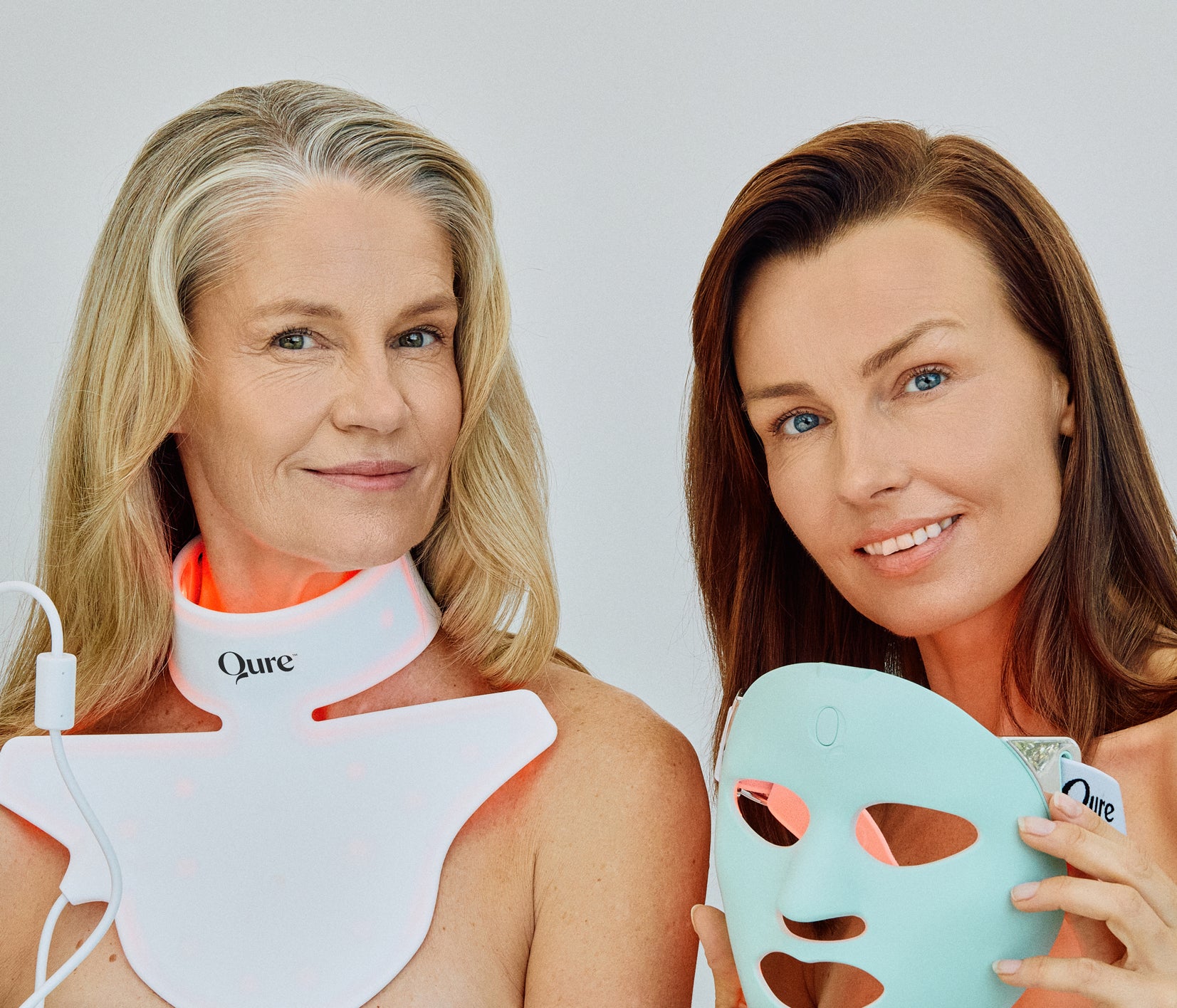
In the quiet hum of modern life, where stress and environmental aggressors leave their mark, a condition known as Poikiloderma of Civatte quietly takes root. This vascular and pigmentary disorder manifests as a mottled redness, often accompanied by brownish patches, on the sides of the neck and chest—areas that are frequently exposed to the sun. For those who suffer from it, the visible signs can feel like an unspoken burden, a reminder of time’s passage and the relentless march of UV rays. But what if there were a way to reclaim the luminosity of your skin, to turn back the clock without invasive procedures? Enter LED light therapy masks, a revolutionary approach that promises not just to treat the symptoms but to redefine the very narrative of aging and skin health.
The Silent Struggle: Understanding Poikiloderma of Civatte
Poikiloderma of Civatte is more than just a cosmetic concern; it’s a condition rooted in a combination of genetic predisposition, sun exposure, and hormonal changes. The redness and discoloration typically appear on the sides of the neck and décolletage, where the skin is thinner and more susceptible to damage. Unlike general redness or sunburn, this condition is chronic, often worsening with age and continued UV exposure. The emotional toll can be significant, as the affected areas are difficult to conceal and may draw unwanted attention.
Traditional treatments like lasers or chemical peels can offer temporary relief, but they often come with downtime and potential side effects. This is where LED light therapy masks enter the conversation as a gentler, non-invasive alternative. By harnessing specific wavelengths of light, these devices aim to stimulate collagen production, reduce inflammation, and improve skin texture—all without the need for invasive procedures.
How LED Light Therapy Works: A Scientific Marvel
At the heart of LED light therapy is the principle of photobiomodulation, a process where specific wavelengths of light penetrate the skin to trigger cellular responses. Different colors of light correspond to different therapeutic effects:
- Red Light (630-700nm): Penetrates deeply into the skin to stimulate collagen and elastin production, reducing the appearance of fine lines and improving overall skin tone. It also helps to calm inflammation, making it ideal for conditions like Poikiloderma of Civatte.
- Near-Infrared Light (800-850nm): Targets deeper layers of the skin to promote healing and reduce redness. This wavelength is particularly effective for vascular issues, as it helps to constrict dilated blood vessels and improve circulation.
- Blue Light (405-420nm): Primarily used for antibacterial purposes, it can help combat acne and prevent future breakouts, though it plays a secondary role in treating Poikiloderma.
The beauty of LED masks lies in their precision. Unlike broad-spectrum treatments, these devices deliver targeted wavelengths that address the root causes of Poikiloderma—vascular dilation, pigmentation, and collagen loss—without damaging surrounding tissue.
Why LED Masks Are a Game-Changer for Poikiloderma
For those battling Poikiloderma of Civatte, the promise of an LED mask is more than just a skincare trend—it’s a lifeline. Here’s why these devices are gaining traction as a go-to solution:
Non-Invasive and Painless: Unlike lasers or microneedling, LED therapy requires no downtime. Sessions are quick, comfortable, and can be seamlessly integrated into a daily skincare routine. There’s no risk of scarring or hyperpigmentation, making it a safer option for sensitive skin.
Targeted Treatment: LED masks are designed to focus on specific areas, such as the neck and chest, where Poikiloderma is most prominent. This precision ensures that the light energy is delivered exactly where it’s needed, maximizing results.
Collagen Revival: One of the hallmarks of Poikiloderma is the breakdown of collagen and elastin, which leads to sagging and uneven texture. Red and near-infrared light stimulate fibroblasts, the cells responsible for producing these essential proteins, helping to restore firmness and elasticity.
Reduced Redness and Pigmentation: By improving circulation and constricting dilated blood vessels, LED therapy can significantly diminish the redness associated with Poikiloderma. Over time, the brownish patches may also fade as the skin’s natural repair processes are activated.
Top LED Masks for Poikiloderma: What to Look For
Not all LED masks are created equal. When selecting a device for treating Poikiloderma, consider the following features:
Wavelength Flexibility: Opt for masks that offer multiple wavelengths, particularly red and near-infrared, to address both vascular and pigmentary issues. Some advanced models also include blue light for additional antibacterial benefits.
Comfort and Fit: Since Poikiloderma often affects the neck and chest, a mask with an ergonomic design that conforms to these contours is essential. Look for adjustable straps and lightweight materials for a comfortable fit.
FDA Clearance: While many LED masks are available over the counter, those with FDA clearance for specific indications (such as redness reduction) offer an added layer of credibility and safety.
Ease of Use: The best LED masks are user-friendly, with simple controls and clear instructions. Some even come with companion apps to track progress and customize treatment plans.
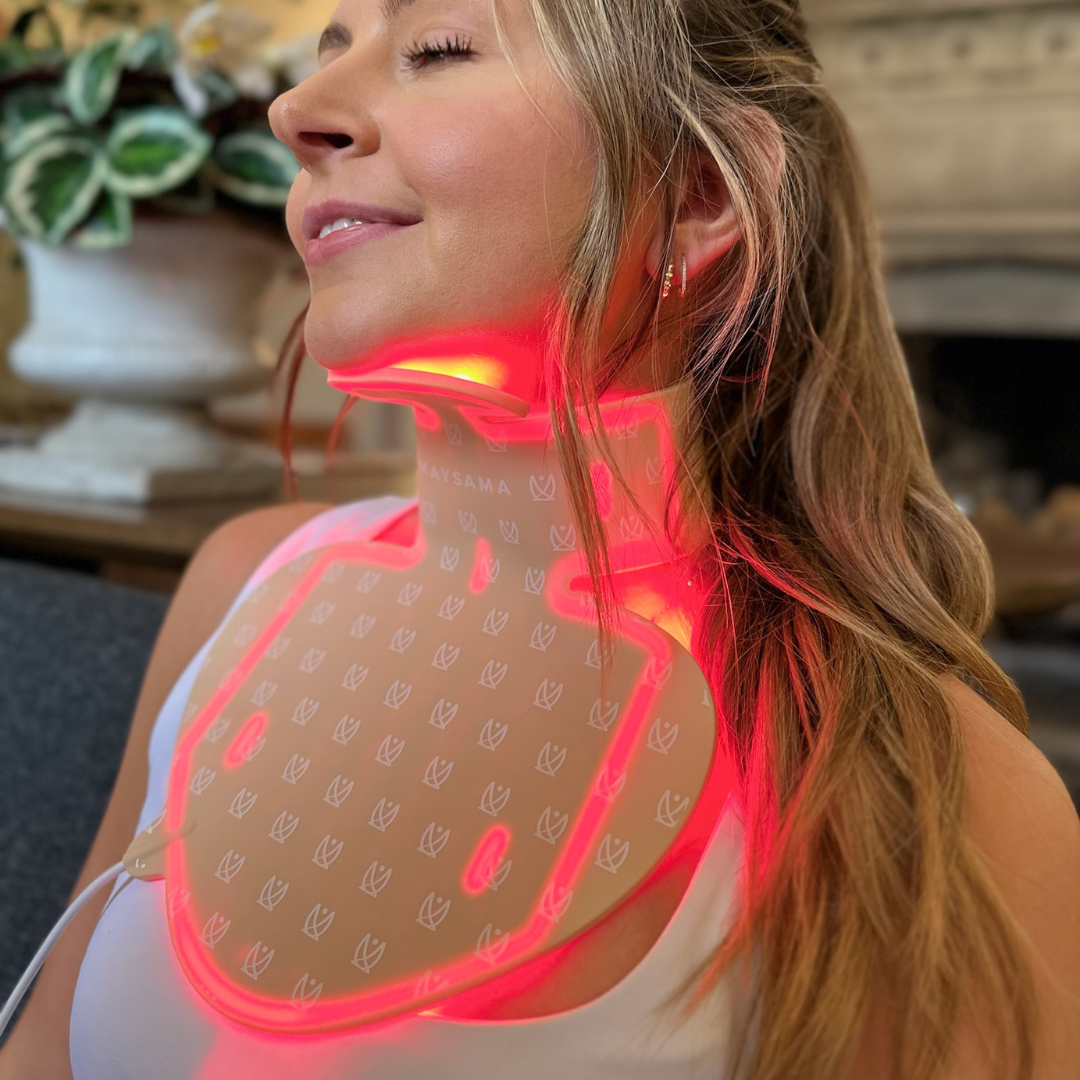
Among the top contenders in the market are devices like the CurrentBody Skin LED Face and Neck Mask, which combines red and near-infrared light for comprehensive treatment, and the Maysama Chin2Chest Red LED Light Therapy Mask, designed specifically for the neck and chest area. Both offer clinically proven results and are backed by user testimonials highlighting significant improvements in skin tone and texture.

Real Results: What to Expect from LED Therapy
The journey to clearer, more even-toned skin with an LED mask is not an overnight transformation. Consistency is key, and most users begin to see noticeable improvements after 4-6 weeks of regular use. Here’s a breakdown of what to expect:
First Two Weeks: Initial sessions may feel subtle, but users often report a reduction in redness and a soothing sensation as inflammation begins to subside. The skin may appear slightly plumper due to increased circulation.
Four to Six Weeks: This is where the magic happens. Collagen production ramps up, leading to firmer skin and a reduction in fine lines. The mottled appearance of Poikiloderma starts to fade, and the overall tone becomes more uniform.
Three Months and Beyond: With continued use, the cumulative effects of LED therapy become even more pronounced. Skin texture improves, pores appear smaller, and the redness associated with Poikiloderma becomes significantly less noticeable. Many users find that maintenance sessions (2-3 times per week) help sustain these results.
It’s important to note that while LED therapy can dramatically improve the appearance of Poikiloderma, it may not eliminate it entirely. For severe cases, combining LED therapy with other treatments like topical antioxidants (vitamin C, niacinamide) or professional procedures (IPL, chemical peels) can yield even better outcomes.
Beyond the Mask: Complementary Strategies for Poikiloderma
While an LED mask can be a powerful tool in your skincare arsenal, it’s most effective when paired with a holistic approach. Here are some complementary strategies to enhance results:
Sun Protection: The number one enemy of Poikiloderma is UV exposure. Daily use of a broad-spectrum sunscreen (SPF 30 or higher) is non-negotiable. Look for formulations with niacinamide or zinc oxide, which offer additional anti-inflammatory benefits.
Topical Antioxidants: Ingredients like vitamin C, vitamin E, and ferulic acid help neutralize free radicals and protect the skin from further damage. Niacinamide, in particular, is renowned for its ability to strengthen the skin barrier and reduce redness.
Hydration and Barrier Repair: Poikiloderma often leaves the skin dry and compromised. Incorporate hydrating serums with hyaluronic acid and ceramides to restore moisture and reinforce the skin’s natural defenses.
Lifestyle Adjustments: Smoking, alcohol, and poor diet can exacerbate skin conditions. Reducing these factors can significantly improve skin health and the efficacy of LED therapy.
Conclusion: A Brighter Future for Your Skin
Poikiloderma of Civatte doesn’t have to be a life sentence. With the advent of LED light therapy masks, there’s finally a solution that aligns with the modern desire for non-invasive, effective, and sustainable skincare. These devices offer more than just a cosmetic fix—they represent a shift in how we approach skin health, emphasizing prevention, repair, and rejuvenation without the need for harsh interventions.
The journey to clearer, more radiant skin begins with understanding the condition and choosing the right tools to address it. LED masks provide a scientifically backed, gentle, and empowering way to take control of your skin’s narrative. Whether you’re in the early stages of noticing changes or have been battling Poikiloderma for years, the promise of LED therapy is one of renewal—a chance to turn back the clock and reveal the skin you’ve always wanted.
As with any skincare treatment, consistency and patience are key. But for those willing to commit, the results can be nothing short of transformative. The future of skincare is here, and it’s shining brighter than ever.