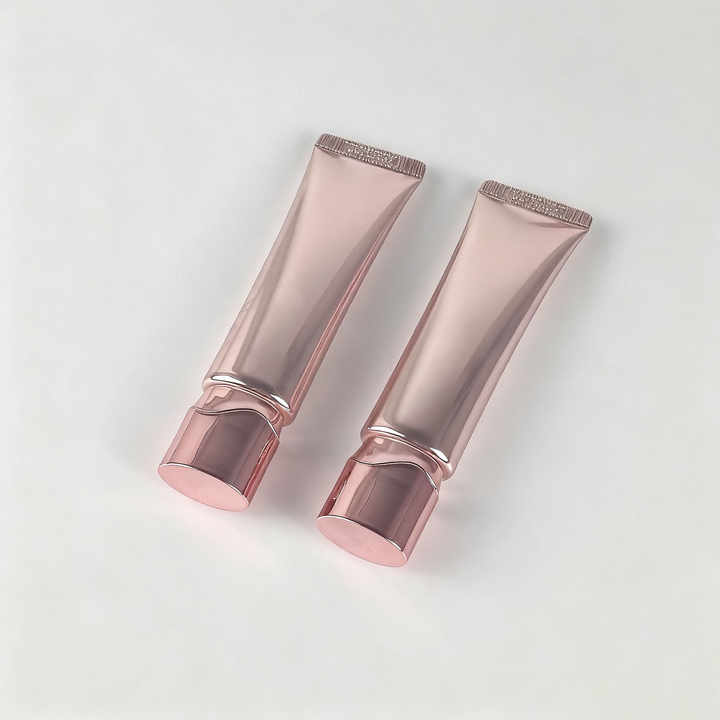
The beauty industry has long relied on plastic for packaging, but as sustainability becomes a priority, consumers are seeking alternatives. One standout solution is plastic-free concealer tubes made from metal. These containers offer durability, elegance, and a reduced environmental footprint, making them an ideal choice for eco-conscious shoppers. Yet, their appeal goes beyond sustainability—metal packaging exudes a timeless sophistication that plastic simply cannot replicate.
The Rise of Plastic-Free Packaging in Beauty
For decades, plastic has dominated the beauty industry due to its affordability and versatility. However, its environmental impact—from microplastic pollution to non-biodegradable waste—has led to growing consumer backlash. In response, brands are turning to alternative materials, with metal emerging as a frontrunner. Metal packaging, particularly for concealer tubes, provides a sleek, sturdy, and recyclable option that aligns with modern values.
Unlike plastic, which degrades over time and leaches harmful chemicals, metal maintains its integrity while offering a premium feel. Aluminum, in particular, is lightweight yet strong, making it perfect for travel-friendly makeup containers. Its natural resistance to corrosion ensures longevity, reducing the need for frequent replacements. This shift reflects a broader trend: consumers are no longer willing to compromise between aesthetics and ethics.
Why Metal Packaging Stands Out
Metal concealer tubes are more than just a sustainable choice—they represent a fusion of functionality and luxury. Their reflective surfaces catch the eye, adding a touch of glamour to any vanity. Unlike plastic, which often feels flimsy, metal tubes convey a sense of permanence and quality. This perception is not just superficial; it influences how users interact with their products. A well-designed metal tube can elevate the entire application experience, making the act of applying concealer feel more intentional and special.
Another advantage of metal packaging is its thermal stability. Unlike plastic, which can warp under heat, metal remains intact, protecting the product inside. This is particularly important for liquid or cream concealers, which may spoil if exposed to fluctuating temperatures. Additionally, metal is infinitely recyclable, meaning it can be repurposed without losing its properties. This closed-loop system minimizes waste and supports a circular economy—a stark contrast to the linear lifecycle of plastic.
The Environmental Benefits of Metal Tubes
The beauty industry generates over 120 billion units of packaging waste annually, much of which ends up in landfills or oceans. Metal packaging offers a viable solution by reducing reliance on single-use plastics. Aluminum, the most commonly used metal in cosmetics, has a recycling rate of 50% globally, with some countries achieving rates as high as 90%. This high recyclability ensures that metal tubes can be reprocessed indefinitely, cutting down on resource extraction and energy consumption.
Furthermore, metal packaging requires less energy to produce compared to plastic. The extraction and processing of aluminum, for instance, have a lower carbon footprint than the manufacturing of virgin plastics. Brands that adopt metal tubes are not only meeting consumer demand for sustainability but also contributing to a larger movement toward responsible production. This shift is crucial in an era where climate change and pollution are pressing global concerns.
Design and Customization: The Art of Metal Packaging
Metal concealer tubes are not just functional; they are a canvas for creativity. Brands are increasingly investing in custom designs, from embossed logos to matte and glossy finishes. The versatility of metal allows for intricate detailing, enabling companies to create packaging that aligns with their brand identity. Whether it’s a minimalist matte black tube or a shimmering gold design, metal packaging can be tailored to suit any aesthetic.
Customization also extends to functionality. Some metal tubes feature airless pump systems, which prevent contamination and extend the shelf life of the product. Others incorporate magnetic closures or textured grips for added convenience. These innovations demonstrate how metal packaging can be both beautiful and practical, catering to the needs of discerning consumers.
For indie brands, metal tubes offer an opportunity to stand out in a crowded market. By opting for sustainable packaging, they can attract eco-conscious buyers while maintaining a high-end appeal. This dual focus on aesthetics and ethics is reshaping the beauty industry, proving that luxury and sustainability are not mutually exclusive.
Consumer Perception: More Than Just a Trend
The growing popularity of metal packaging reflects a deeper shift in consumer values. Shoppers today are more informed and intentional about their purchases. They seek products that align with their ethical beliefs, and metal packaging delivers on this front. Unlike plastic, which is often associated with disposable culture, metal conveys a sense of permanence and care. This perception influences purchasing decisions, as consumers are willing to pay a premium for products that reflect their values.
Moreover, metal packaging resonates with the rise of “slow beauty”—a movement that emphasizes quality over quantity. In a world of fast fashion and disposable goods, metal tubes represent a return to craftsmanship and durability. They encourage consumers to invest in products that last, reducing the cycle of waste and overconsumption. This mindset shift is not just a passing trend but a fundamental change in how we perceive beauty and sustainability.
Challenges and Considerations
While metal packaging offers numerous benefits, it is not without challenges. The production of aluminum, for example, requires significant energy, though recycling mitigates this impact. Additionally, metal tubes can be more expensive to produce than plastic, which may deter some brands from making the switch. However, as demand for sustainable packaging grows, economies of scale are driving down costs, making metal a more accessible option.
Another consideration is the weight of metal tubes. While aluminum is lightweight, heavier metals like steel may not be ideal for travel-sized products. Brands must balance durability with practicality to ensure their packaging meets consumer needs. Despite these challenges, the long-term benefits of metal packaging—both environmental and aesthetic—far outweigh the drawbacks.
Conclusion
Plastic-free concealer tubes made from metal represent a significant step forward in the beauty industry’s journey toward sustainability. They combine durability, elegance, and environmental responsibility, offering a solution that appeals to both consumers and brands. As the demand for ethical and high-quality products continues to rise, metal packaging is poised to become the new standard. By choosing metal tubes, we are not just selecting a better container for our makeup—we are making a statement about the kind of world we want to live in. A world where beauty and responsibility go hand in hand.