

In a world where sustainability is no longer optional but essential, the beauty industry is undergoing a quiet revolution. One of the most impactful changes is the shift toward vegan bar soaps for the face—gentle, plastic-free alternatives that cleanse without compromising the planet. Unlike conventional liquid cleansers packaged in plastic bottles, these solid soaps offer a zero-waste solution that aligns with eco-conscious values. Whether you have sensitive skin, oily complexion, or simply want to reduce your environmental footprint, there’s a vegan bar soap designed to meet your needs.
Why Choose Vegan Bar Soaps for Your Face?
The appeal of vegan bar soaps extends far beyond their plastic-free packaging. These soaps are crafted from plant-based ingredients, ensuring they are free from animal-derived components like tallow, lanolin, or beeswax. This makes them ideal for vegans, vegetarians, and anyone looking to avoid animal exploitation in their skincare routine.
Moreover, vegan bar soaps are often enriched with natural oils such as coconut, olive, or jojoba, which provide deep hydration and nourishment. Many formulations are also free from synthetic fragrances, parabens, and sulfates, reducing the risk of irritation and allergic reactions. By opting for a bar soap, you’re not only choosing a product that’s kinder to your skin but also one that minimizes waste—most bar soaps come wrapped in compostable or recyclable materials, unlike their liquid counterparts encased in plastic.
Key Ingredients to Look For
When selecting a vegan bar soap for your face, the ingredient list can tell you a lot about its suitability for your skin type. Here are some of the most beneficial components to watch for:
- Coconut Oil: A staple in many bar soaps, coconut oil offers antimicrobial properties and helps maintain the skin’s natural moisture barrier. It’s particularly effective for dry or sensitive skin.
- Shea Butter: Rich in vitamins A and E, shea butter soothes irritation and provides intense hydration, making it perfect for mature or dehydrated skin.
- Tea Tree Oil: Known for its antibacterial and antifungal properties, tea tree oil is excellent for acne-prone skin, helping to combat breakouts and reduce inflammation.
- Oatmeal: A gentle exfoliant, oatmeal calms redness and is ideal for sensitive or eczema-prone skin. It also helps remove dead skin cells without causing micro-tears.
- Aloe Vera: Hydrating and anti-inflammatory, aloe vera soothes irritation and promotes healing, making it a great choice for sunburned or irritated skin.
On the flip side, avoid soaps containing sodium lauryl sulfate (SLS) or sodium laureth sulfate (SLES), as these can strip the skin of its natural oils and lead to dryness. Similarly, steer clear of synthetic fragrances and dyes, which can cause allergic reactions and disrupt your skin’s pH balance.
Best Vegan Bar Soaps for Different Skin Types
Not all bar soaps are created equal, and what works for one skin type may not suit another. Below, we explore the top vegan bar soaps tailored to specific skin concerns.
For Dry and Sensitive Skin
Dry and sensitive skin requires extra care, and a bar soap with ultra-moisturizing ingredients can make all the difference. Look for soaps that contain shea butter, cocoa butter, or calendula to replenish moisture and soothe irritation.
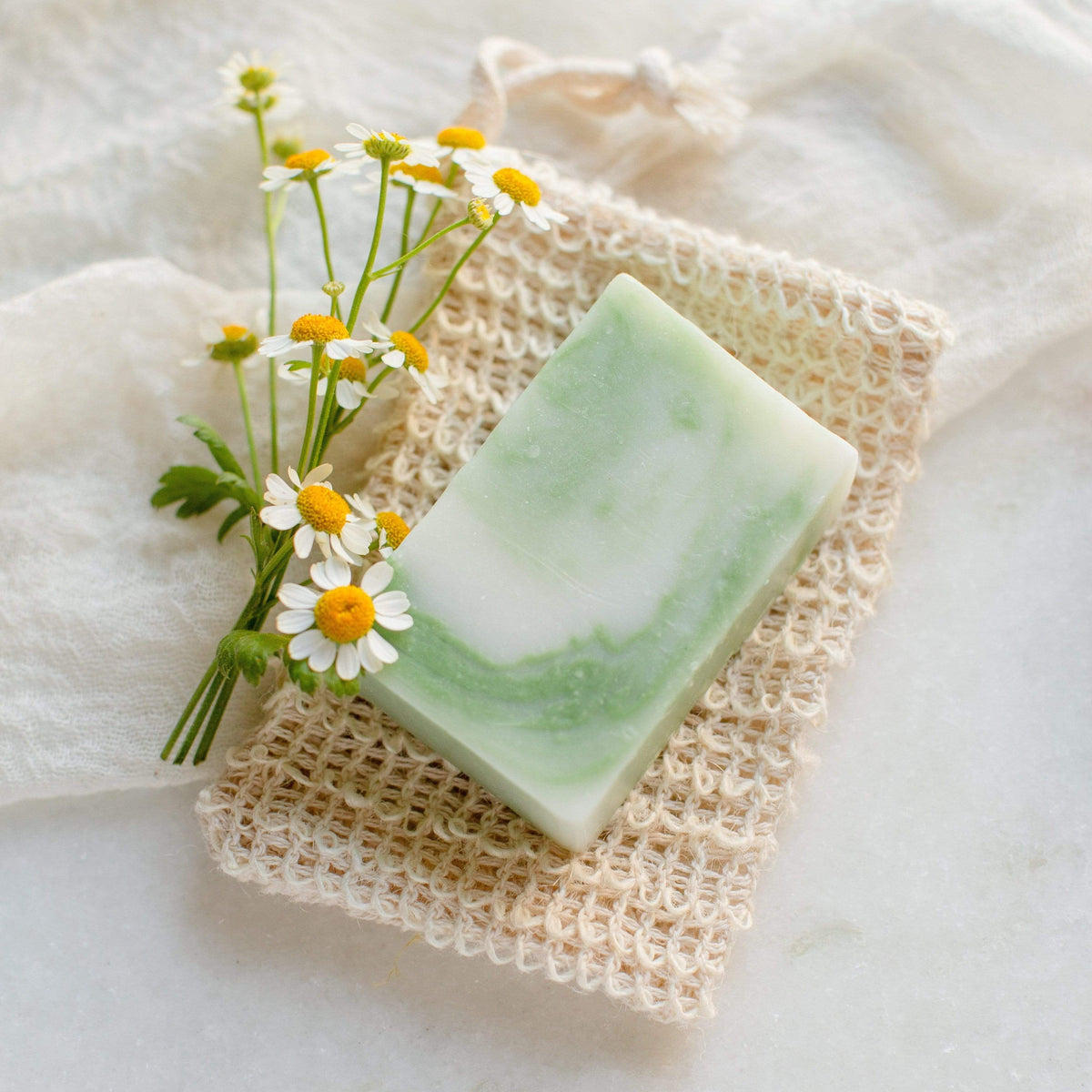
The Zero Waste Aloe and Coconut Milk Soap Bar is a standout choice for dry and sensitive skin. Formulated with organic aloe vera and coconut milk, this soap gently cleanses while providing deep hydration. Its unscented formula minimizes the risk of irritation, making it suitable for even the most reactive skin types. The soap is also packaged in compostable material, aligning with zero-waste principles.
For Oily and Acne-Prone Skin
If you struggle with excess oil or frequent breakouts, a bar soap with tea tree oil, charcoal, or clay can help regulate sebum production and unclog pores. These ingredients work to absorb excess oil and impurities while keeping the skin balanced.

The EcoRoots Facial Soap Bar is a top pick for oily and acne-prone skin. Infused with activated charcoal and tea tree oil, this soap deeply purifies the skin while reducing inflammation and preventing future breakouts. Its lightweight, non-comedogenic formula ensures that pores remain clear without feeling stripped or tight. The bar is also vegan, cruelty-free, and packaged in plastic-free materials.
For Mature and Aging Skin
Aging skin benefits from bar soaps rich in antioxidants, hyaluronic acid, or rosehip oil, which help combat fine lines, wrinkles, and loss of elasticity. These ingredients promote collagen production and improve skin texture over time.

The Vegan Rosehip Oil Soap Bar is an excellent option for mature skin. Packed with rosehip oil, which is high in vitamin C and essential fatty acids, this soap helps brighten the complexion and reduce the appearance of age spots. Its creamy lather leaves the skin feeling plump and rejuvenated, without clogging pores. The soap is also free from synthetic additives, ensuring a clean and effective skincare experience.
How to Transition to Bar Soaps
Switching from liquid cleansers to bar soaps can feel daunting, especially if you’re accustomed to the lather and convenience of bottled products. However, with a few simple tips, the transition can be seamless and even enjoyable.
1. Start with a Gentle Formula: If you have sensitive skin, opt for a mild, unscented bar soap to avoid any potential irritation. Gradually introduce your skin to the new product to allow it to adjust.
2. Use a Soap Dish: To prolong the life of your bar soap, store it on a well-ventilated soap dish. This prevents it from sitting in water, which can cause it to dissolve prematurely.
3. Lather with a Washcloth or Konjac Sponge: Bar soaps can be used with a washcloth or konjac sponge to create a rich lather. This method also helps exfoliate gently, removing dead skin cells and unclogging pores.
4. Patch Test: Before fully committing to a new bar soap, perform a patch test on a small area of your skin to ensure it doesn’t cause any adverse reactions.
5. Store Properly: Keep your bar soap in a cool, dry place when not in use. If it becomes too soft, let it air-dry for a few hours before storing it again.
Environmental Impact of Bar Soaps vs. Liquid Cleansers
The environmental benefits of bar soaps are undeniable. According to research, the beauty industry produces over 120 billion units of plastic packaging annually, much of which ends up in landfills or oceans. Liquid cleansers, in particular, contribute significantly to this waste due to their reliance on plastic bottles and pumps.
In contrast, bar soaps require minimal packaging—often just a simple cardboard box or compostable wrapper. This reduces plastic waste and lowers the carbon footprint associated with production and transportation. Additionally, many bar soaps are made using sustainable practices, such as using organic ingredients and supporting fair-trade suppliers.
By choosing a vegan bar soap, you’re not only investing in your skin’s health but also contributing to a larger movement toward sustainability. Every bar of soap used is one less plastic bottle in the trash, making it a small but meaningful step toward a greener future.
Conclusion
Vegan bar soaps represent a harmonious blend of skincare efficacy and environmental responsibility. Whether you’re drawn to their plastic-free packaging, plant-based ingredients, or suitability for sensitive skin, there’s a bar soap out there to meet your needs. From the ultra-moisturizing aloe and coconut milk soap for dry skin to the purifying charcoal and tea tree oil soap for acne-prone skin, the options are as diverse as they are effective.
As consumers, our choices have power. By opting for vegan bar soaps, we take a stand against plastic pollution, support ethical beauty practices, and prioritize the health of our skin. The next time you reach for a cleanser, consider making the switch—your skin and the planet will thank you.