
Blonde hair has become a prevailing trend, captivating individuals with its versatility and allure. For those with neutral skin tones, it is essential to select a shade of blonde that complements their complexion. A nuanced understanding of various blonde shades can assist in this endeavor. This article delves into the spectrum of blonde hair colors, offering insights on choosing the most flattering tones for neutral skin.
Understanding Neutral Skin Tones
Neutral skin tones can be described as a harmonious blend of warm and cool undertones. A person with a neutral complexion typically finds that they can wear a variety of colors without overwhelming their appearance. This adaptability in tone can sometimes make the selection of the appropriate blonde shade feel daunting. However, understanding how different blonde varieties interact with neutral undertones is imperative.
The Spectrum of Blonde Shades
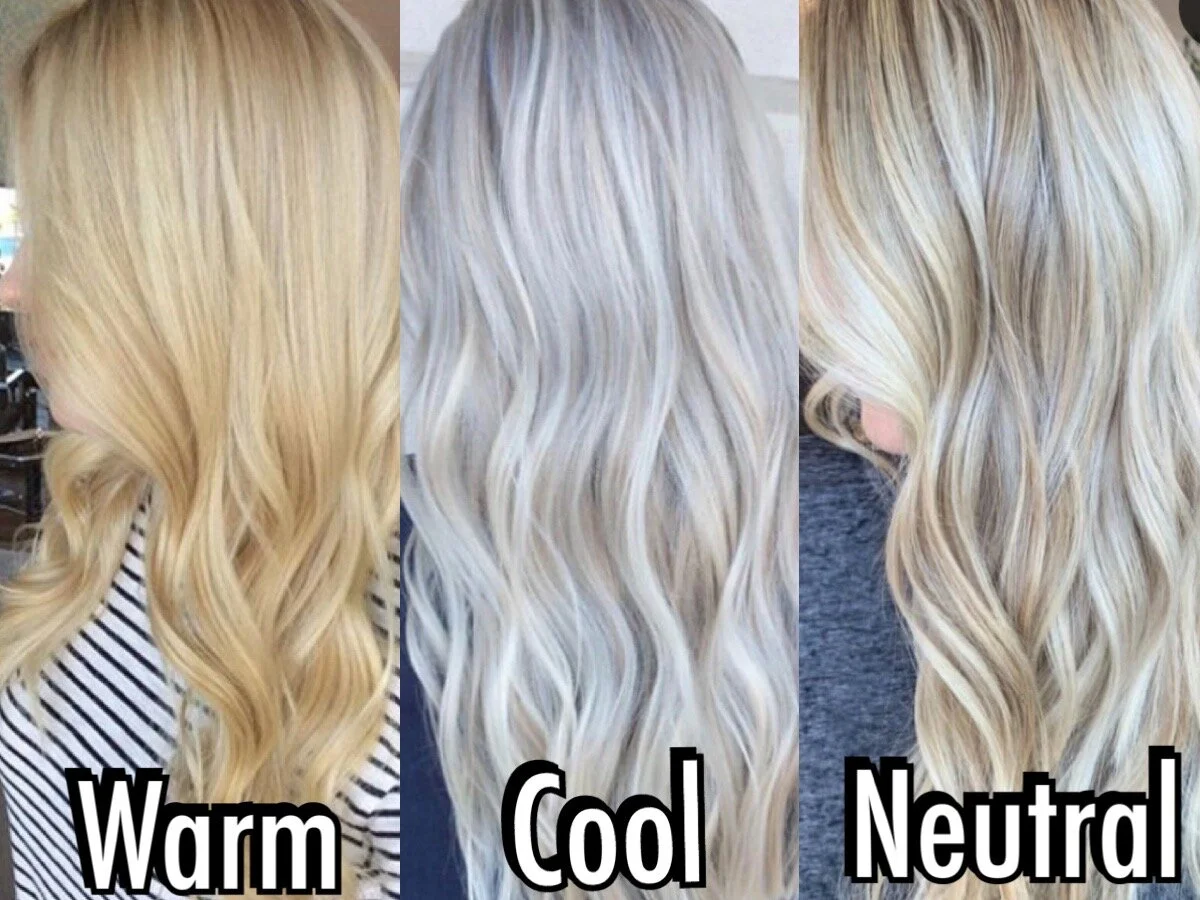
Blonde hair exists on a broad spectrum, ranging from the deepest golden hues to the lightest platinum. The primary categories include warm blondes, cool blondes, and neutral blondes, each offering unique characteristics:
- Warm Blondes: These shades are imbued with golden or honey undertones. They exude vitality and warmth, making them ideal for those looking to project a sun-kissed aesthetic. However, they are best suited for neutral skin tones that lean slightly warmer.
- Cool Blondes: These shades contain ashy or silvery undertones, thereby providing a more subdued appearance. Cool blondes can enhance the features of individuals with neutral skin tones that have subtle cooler undertones, offering a refined, sophisticated flair.
- Neutral Blondes: Perhaps the most versatile option, neutral blondes merge the best of both worlds. These shades are neither distinctly warm nor cool, ensuring they complement a wide array of skin tones, especially those classified as neutral.
Determining Your Optimal Shade
Choosing a perfect shade of blonde may involve multiple factors, including natural hair color, eye color, and personal style preferences. One approach to finding an ideal hue is to assess your existing hair color; this can provide insight into what may enhance your natural features.
Consider Your Eye Color
Eye color can significantly influence the shade of blonde that will look best. For example, individuals with blue or green eyes may find that cooler shades of blonde, such as platinum or champagne, create an eye-catching contrast. In contrast, those with warm brown or hazel eyes may lean towards golden blondes to accentuate the warmth in their irises.
Skin Undertone Analysis
Conducting an undertone analysis can also be beneficial. Look at the veins on your wrist: blue veins typically indicate a cooler undertone, while green veins suggest warmth. If you have both blue and green undertones, you fall into the neutral category. For neutral tones, blonde shades with balanced undertones will be the most flattering.
Testing Shades
Before committing to a particular blonde shade, it can be beneficial to test different tones. Many salons offer consultations where clients can see color samples next to their skin before proceeding. Alternatively, hair extensions in various shades can provide a temporary yet effective means to gauge which tones enhance one’s overall appearance.
Highlighting Techniques
In addition to choosing a solid color, embracing highlighting techniques can add depth to blonde hair. The following methods are particularly effective for neutral skin tones:
- Balayage: This freehand method allows for a more natural look, with highlights that blend seamlessly into the base color. Balayage works beautifully with both warm and cool tones, making it suitable for neutral complexions.
- Babylights: These ultra-fine highlights can brighten the overall look of blonde hair while maintaining a soft, delicate appearance. Babylights can merge warm and cool strands for a fresh effect.
- Ombre: This technique features a gradual transition from a darker color at the roots to lighter ends. An ombre effect can feel dynamic and modern, catering to both warm and cool undertones depending on the chosen colors.
Caring for Blonde Hair
Blonde hair, particularly when treated with color, necessitates diligent care to maintain its vibrancy and health. Incorporating specific hair care practices is vital:
- Color-Safe Products: Utilize shampoos and conditioners formulated for color-treated hair to preserve hue integrity and prevent fading.
- Regular Treatments: Conditioning masks can combat dryness often associated with blonde hair, maintaining moisture and luster.
- Sunscreen for Hair: Protecting hair from UV damage is crucial. Sprays specifically designed to shield hair from sun exposure can prevent dryness and color alteration.
Conclusion
Selecting the perfect shade of blonde hair for neutral skin tones is an art that combines an understanding of personal characteristics with the nuances of color theory. By exploring the various shades available, considering eye color and undertones, and employing proper care techniques, individuals can achieve a stunning, luminous blonde that enhances their natural beauty. Investing this time and effort into selecting the right shade will not only boost confidence but also ensure that the hair remains a captivating feature. Celebrate your beauty by finding the perfect blonde hue that resonates with your essence.