
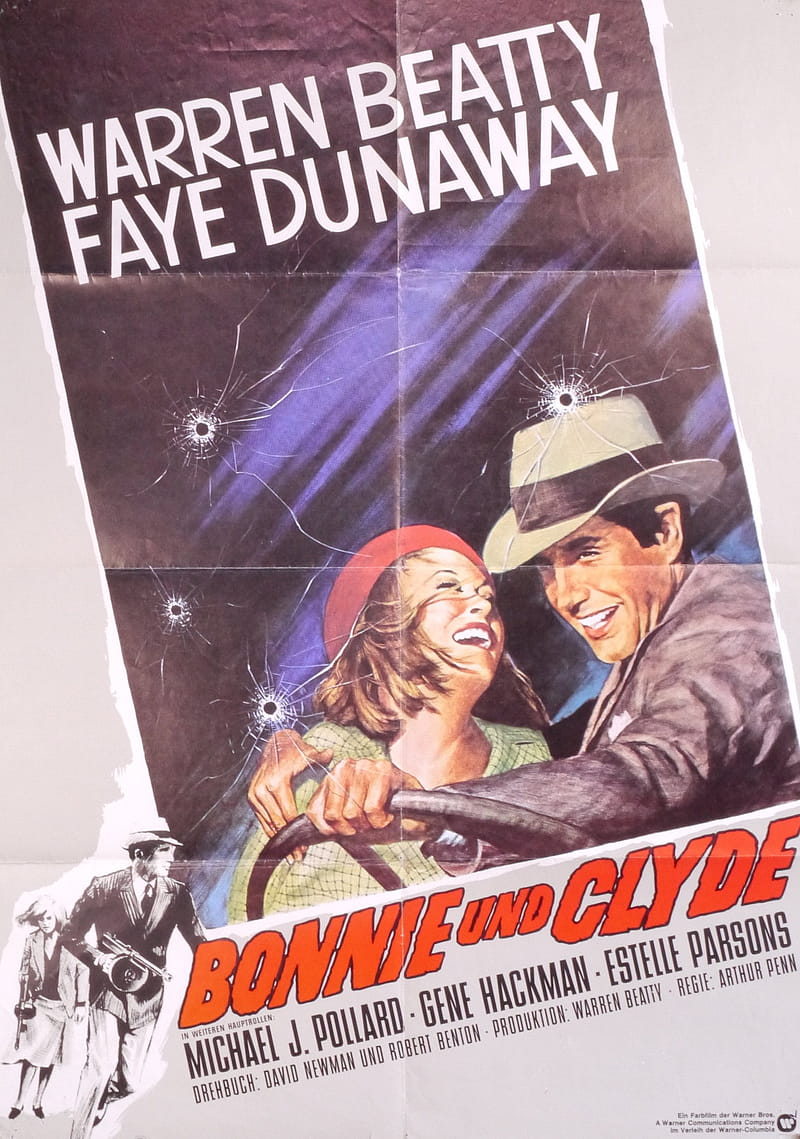
Bonnie and Clyde, the iconic duo from the 1967 film, have etched themselves into the annals of cinematic history, not merely for their notorious escapades but also for their defining styles. The movie poster for Bonnie and Clyde, replete with its striking visuals and poignant themes, serves as a powerful representation of the characters and the era they encapsulate. In this extensive exploration, we delve into the poster’s design, the cultural ramifications of its aesthetic, and how those elements continue to inspire fashion today.
The Film and Its Cultural Significance
Released during a time of profound social upheaval in America, Bonnie and Clyde emerged as a reflection of the youthful rebellion and disillusionment characterizing the late 1960s. Directed by Arthur Penn, the film not only offered a thrilling narrative of two outlaws but also challenged the moral paradigms of its time. The characters portrayed by Warren Beatty and Faye Dunaway became emblematic of a generation seeking escape from the constraints of conventional society.
The film’s impact was amplified through its marketing, most notably its poster design. The original movie poster is not merely a promotional tool; it encapsulates the essence of Bonnie and Clyde’s persona—seductive yet dangerous, romantic yet ruthless. This duality is essential in understanding how the film’s aesthetic has seeped into modern fashion.
Analyzing the Iconic Poster Design
The Bonnie and Clyde poster features an arresting image of the titular characters, poised amidst a dramatic color palette dominated by reds and blacks. The use of bold typography and striking imagery creates an immediate emotional response. Each element of the design serves a purpose; the vibrant reds symbolize passion, danger, and the bloodshed associated with their escapades.
Moreover, the poster captures the characters’ essence through visual storytelling. Bonnie, with her fashionable 1930s garb, and Clyde, donned in a sharp suit, encapsulate a bygone elegance that remains alluring. This portrayal not only elevates their status as outlaws but also solidifies their image as style icons. The juxtaposition of their glamorous appearance with their violent reality fuels a sense of intrigue, sparking an admiration that transcends generations.
Fashion Inspirations From Bonnie and Clyde
The sartorial choices of Bonnie and Clyde have inspired countless designers and creators in the fashion industry. Bonnie’s style, characterized by tailored outfits, knee-length dresses, and signature berets, is emblematic of both sophistication and rebellion. Her wardrobe choices set trends that resonate with contemporary fashion, inspiring looks that blend vintage charm with modern sensibilities.
In contrast, Clyde’s ensemble—a combination of sleek suits and functional workwear—embodies masculine elegance. His iconic fedora and polished shoes evoke an air of confidence that continues to influence men’s fashion. These elements create a compelling narrative that inspires fashion enthusiasts to examine not just the aesthetic but the underlying attitude of the characters.
Emulating the Bonnie and Clyde Aesthetic
Modern fashionistas and vintage lovers alike often strive to channel the Bonnie and Clyde aesthetic. Women today are drawn to the rugged romance encapsulated in Bonnie’s chic yet practical wardrobe choices. They seek out high-waisted trousers, structured blazers, and high-collared blouses that nod to the 1930s while incorporating contemporary cuts and fabrics.
On the men’s side, Clyde’s style has morphed into a point of reference for dapper, modern looks, seamlessly integrating tailored pieces into everyday wear. Fashion designers frequently reinterpret this pairing, crafting collections that resonate with Bonnie and Clyde’s timeless allure while infusing their work with fresh perspectives and innovative silhouettes.
The Evocation of Emotion Through Design
The emotional resonance of the Bonnie and Clyde poster design extends beyond the characters’ clothing choices. The poster evokes themes of romance, freedom, and rebellion, igniting a sense of nostalgia for an era defined by both glamour and grit. The interplay of light and shadow within the imagery speaks to the complexities of the characters’ lives—filled with moments of tenderness amidst chaos, hope amidst despair.
This rich emotional landscape encourages fashion designers to explore the narrative quality of their creations. Through garments that tell a story, designers draw upon the Bonnie and Clyde archetype to create collections that resonate with audiences seeking more than just clothing. They aim for pieces that evoke a sense of identity and narrative power, much like the characters themselves.
Lasting Influence on Contemporary Fashion
The enduring influence of Bonnie and Clyde is palpable across myriad fashion showcases, editorial shoots, and street style. Seasonal trends frequently evoke the classic elegance of the film, characterized by tailored suits, berets, and vintage-inspired accessories. The conversations around gender norms in fashion echo the film’s portrayal of strong, assertive characters—individuals who are not afraid to defy conventions.
Fashion collaborations and capsule collections inspired by the film often meld past styles with future visions, illustrating that the allure of Bonnie and Clyde transcends time. Designers recognize that the characters epitomize a spirit of adventure, a desire for freedom that continues to drive contemporary fashion narratives.
Conclusion
The Bonnie and Clyde movie poster is far more than a relic of cinematic history; it is an emblem of artistic expression that continues to shape and inspire fashion today. With its bold visuals and emotional depth, the poster serves as a catalyst for creative exploration, inspiring designers to craft garments that evoke passion, complexity, and timeless beauty. The legacy of Bonnie and Clyde endures, urging new generations to rethink style and identity through the lens of rebellion, romance, and individuality.