
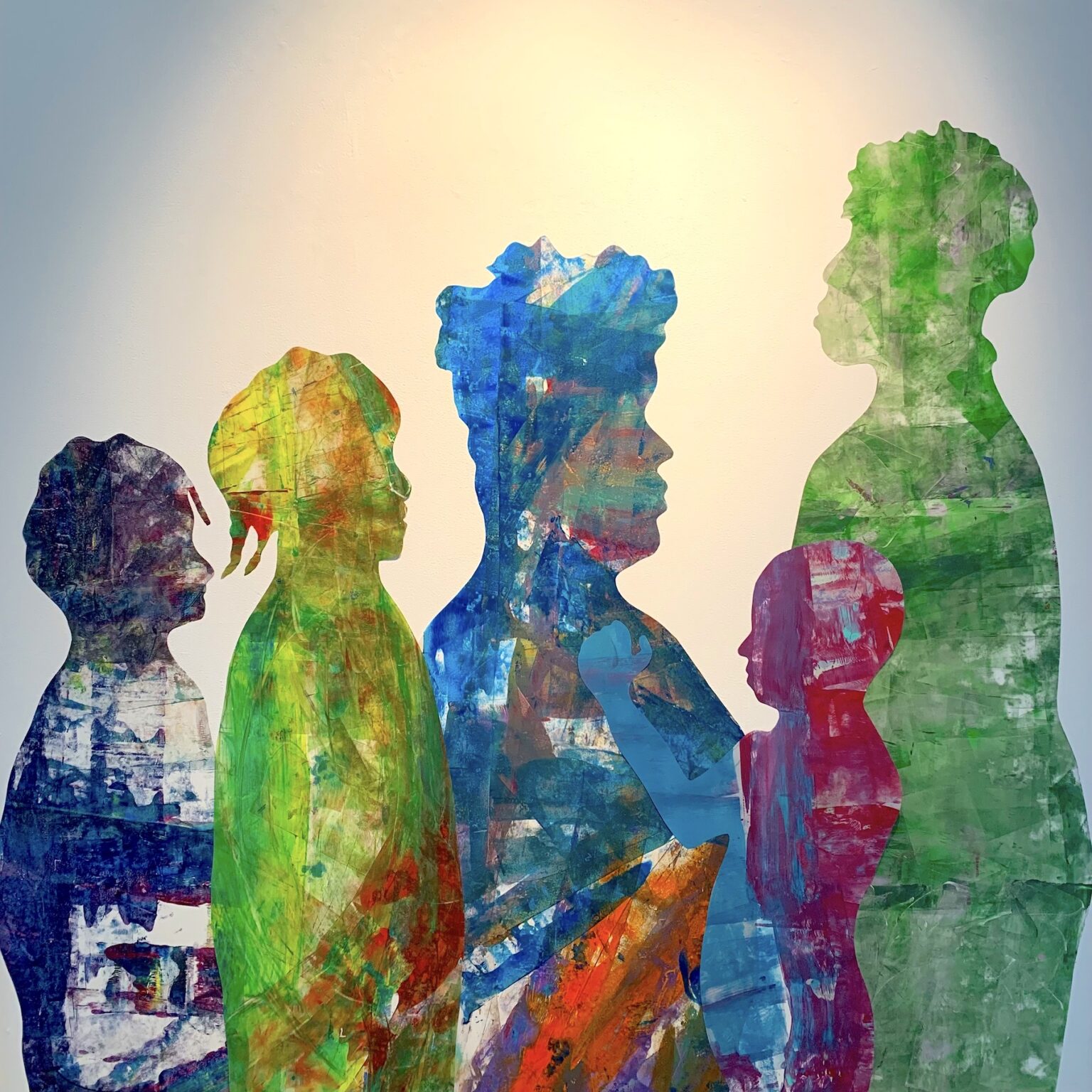
Identity is a multifaceted construct shaped by a plethora of influences ranging from culture and society to personal experiences and introspection. In an age saturated with the notion of individuality and the celebration of the ‘unique self,’ the phrase “But I myself am not unique” emerges as a provocative challenge. This declaration invites contemplation about the essence of self-perception and inspires readers to interrogate their own understandings of identity.
To embark on this exploration, one must first comprehend the fabric of identity. Identity is not merely a collection of attributes or traits but rather an intricate tapestry woven from the threads of personal history, social interactions, and external expectations. Each individual is like a vessel filled with experiences, beliefs, and resolutions, yet much of this content is universally human. Thus, the idea that one is “not unique” can evoke ambivalence; it may stir feelings of insignificance or, conversely, a profound sense of belonging.
Consider the societal landscape in which we find ourselves. We are bombarded with images, narratives, and ideologies that promote a singular idea of what it means to stand out. Social media amplifies this phenomenon, presenting a curated reality where individuality is worshipped. Yet, the very platforms that encourage self-expression can inadvertently constrict it. The pressure to be ‘different’ can lead individuals to fabricate personas that are, in truth, reflections of societal expectations rather than authentic self-representations. In this context, the statement “But I myself am not unique” can serve as a liberating realization that one can exist within the collective without the burden of constant differentiation.
Identity formation is often influenced by relationships and interactions with others. The theory of interpersonal identity posits that individuals often define themselves in contrast to their peers, belonging to various social groups, and conforming to specific roles. These dynamics challenge the notion of an isolated, unique persona. Indeed, one’s identity is often a reflection of the collective, engendering a paradox where the quest for uniqueness may diminish as one navigates through the interwoven connections of experience. Recognizing this makes it evident that embracing a sense of shared humanity can foster empathy and understanding, rather than the schism often attributed to the famous aphorism “no man is an island.”
Furthermore, the concept of identity production underscores the essential role of cultural narratives in shaping self-perception. Cultural archetypes and societal myths permeate our consciousness, influencing not just how we see ourselves, but how we believe we ought to be seen. Narratives around success, beauty, and virtue are stratified by cultural contexts; they exert pressure on individuals to conform, creating a complex interplay between authenticity and expectation. “But I myself am not unique” may, therefore, encapsulate a sentiment of resignation to the banal but also a recognition of the universality embedded in our desires and fears.
As individuals grapple with the implications of this realization, three pivotal areas warrant reflection: the dichotomy of the individual versus the collective, the role of self-acceptance, and the navigation of authenticity in a world rife with imitation.
Firstly, the tension between the individual and the collective is a cornerstone of human experience. While the allure of individualism reigns supreme, the bonds of community serve to remind us of the interconnected web of humanity. Each person within a community is shaped by shared norms, practices, and experiences. Understanding that one’s identity is influenced by group dynamics can be both daunting and liberating. By relinquishing the pretense of exceptionalism, individuals may discover that their struggles and triumphs mirror those of others, fostering a sense of solidarity in the human condition.
Secondly, cultivating self-acceptance becomes paramount in this journey of self-exploration. The acceptance of one’s non-uniqueness nurtures authenticity. When individuals embrace their complexity—their contradictions, their shared experiences with others—they may free themselves from the trappings of comparison. Self-compassion becomes vital; it allows individuals to acknowledge their worthiness without the need for extraordinary traits. In a society enthralled by accolades and accomplishments, the simple act of recognizing oneself as a remnant of collective existence is profound.
Lastly, the navigation toward authenticity amidst imitation challenges the very core of identity. In a world where imitation is the sincerest form of flattery, distinguishing between an authentic self and a façade becomes ever more complex. This incongruence can lead to an existential crisis; the quest for identity is fraught with the potential for disillusionment. Those grappling with the sentiment “But I myself am not unique” must confront the question—what does authenticity mean in a space so overshadowed by crafted representations? Ultimately, striving for authenticity necessitates an embrace of life’s imperfections and an acceptance of one’s shared existence.
In conclusion, the assertion “But I myself am not unique” serves as a catalyst for deep reflection about identity and self-perception. It compels individuals to scrutinize how they perceive themselves within the broader tapestry of human experience. The challenge lies in navigating the complex interplay between individuality and collectivity, fostering self-acceptance, and seeking authenticity amid the cacophony of societal imitation. Ultimately, embracing the notion that one is not uniquely extraordinary can pave the way for a deeper understanding of oneself and a more profound connection to the collective human experience.