
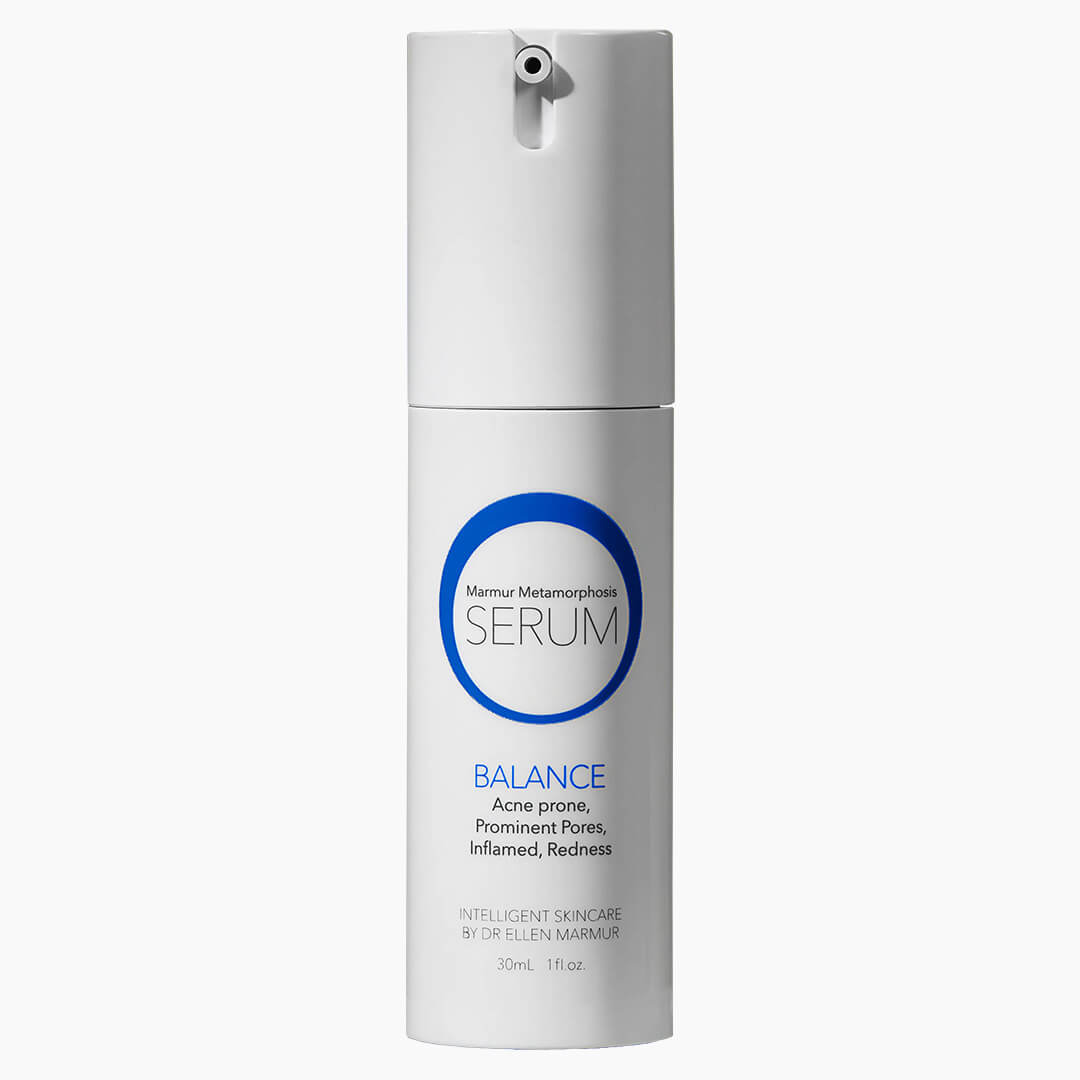
In the realm of skincare, there exists a multitude of products, ingredients, and treatments, each with their own unique properties and benefits. One ingredient that has garnered attention in recent years is hypochlorous acid (HOCl). Initially admired for its antiseptic properties, particularly in wound healing and dermatological care, hypochlorous acid has sparked curiosity regarding its role in the skincare routine of those prone to acne. This article delves into the relationship between hypochlorous acid and acne, as well as other pertinent skincare facts to consider.
Understanding Hypochlorous Acid
Hypochlorous acid is a weak acid that occurs naturally in the human body as a byproduct of the immune system’s response to pathogens. Its primary function is to combat bacteria, viruses, and fungi, which is what renders it an attractive ingredient in various skincare formulations. Known for its ability to cleanse wounds and promote healing, hypochlorous acid is often utilized in dermatological products aiming to treat acne, rosacea, and other inflammatory skin conditions.
Hypochlorous Acid in Skincare Products
Today, hypochlorous acid is included in a wide array of skincare products, including facial mists, toners, and cleansers. Its gentle nature and compatibility with a variety of skin types, including sensitive and acne-prone skin, have made it a coveted ingredient. Furthermore, its antimicrobial properties function to inhibit the growth of acne-causing bacteria, specifically Propionibacterium acnes, which is often a key contributor to breakouts.
Can Hypochlorous Acid Cause Acne?
While many beauty enthusiasts laud hypochlorous acid for its beneficial effects on skin, a valid question arises: can hypochlorous acid cause acne? The short answer is that it is unlikely for hypochlorous acid to directly cause acne, especially when used appropriately. Rather, its primary role is to alleviate skin conditions, such as acne, due to its natural antiseptic properties.
However, multiple factors can contribute to individual reactions. For instance, impurities in the formulation or the presence of other irritating ingredients may lead to skin sensitivities. Additionally, overusing hypochlorous acid products could interrupt the skin barrier, prompting breakouts or irritability. As with any skincare ingredient, conducting a patch test and paying attention to the skin’s reactions is paramount.
Complementary Effects on Acne-Prone Skin
Beyond inhibiting acne-causing bacteria, hypochlorous acid also supports the skin’s natural healing processes. Comfortable for sensitive and inflamed skin, it aids in reducing redness and calming irritation. By addressing these issues, hypochlorous acid offers a multi-faceted approach to skincare; it not only targets existing acne but also helps prevent future breakouts through its anti-inflammatory properties.
Moreover, hypochlorous acid is capable of removing impurities and pollutants that may cling to the skin, contributing to clogged pores. By integrating it into one’s skincare regimen, individuals may find that their overall skin clarity and balance improve, creating an environment less conducive to acne formation.
Choosing the Right Formulation
When selecting a hypochlorous acid product, it’s essential to consider the formulation’s concentration and additional ingredients. Many products contain a diluted concentration of hypochlorous acid, generally around 0.01% to 0.1%, which is sufficient to obtain its beneficial benefits without overwhelming the skin. Opting for non-comedogenic formulations, devoid of harsh chemicals, alcohol, or fragrances, will also help mitigate potential side effects while maximizing the effectiveness of hypochlorous acid.
Additionally, consumers should look for products that are clinically tested and dermatologically reviewed. Reading product reviews and understanding the experiences of others with similar skin types can provide insight into the product’s efficacy and potential drawbacks.
Incorporating Hypochlorous Acid into Your Routine
The integration of hypochlorous acid into a skincare routine can vary depending on personal preferences. It can serve as a refreshing facial mist, toner, or a post-cleansing treatment. While some individuals may prefer to use it in place of traditional toners, others may find it beneficial as an adjunct to their existing routine. The key is to observe how your skin responds and to adjust accordingly based on its unique needs.
For those already using retinoids, exfoliants, or other active ingredients, hypochlorous acid can complement these treatments effectively. However, caution should be exercised to avoid excessive layering that could lead to skin sensitivity.
Potential Side Effects and Considerations
Even though hypochlorous acid is regarded as safe for most skin types, some individuals may experience mild stinging or redness, especially if the skin barrier is compromised. It is crucial to listen to your skin and discontinue use if adverse reactions occur. Consulting with a dermatologist is advisable for those with pervasive skin issues or concerns regarding specific products.
Final Thoughts
In summary, hypochlorous acid is a remarkable ingredient in the skincare industry, holding great promise for individuals dealing with acne-prone skin. Its antimicrobial and anti-inflammatory properties contribute to a clearer complexion and a more balanced skin environment. While the ingredient itself is not a direct cause of acne, attentiveness to individual reactions and formulation specifics will ensure that its use is beneficial rather than detrimental. By understanding the multifaceted nature of hypochlorous acid and its application, skincare enthusiasts can make informed decisions to enhance their daily routines.