
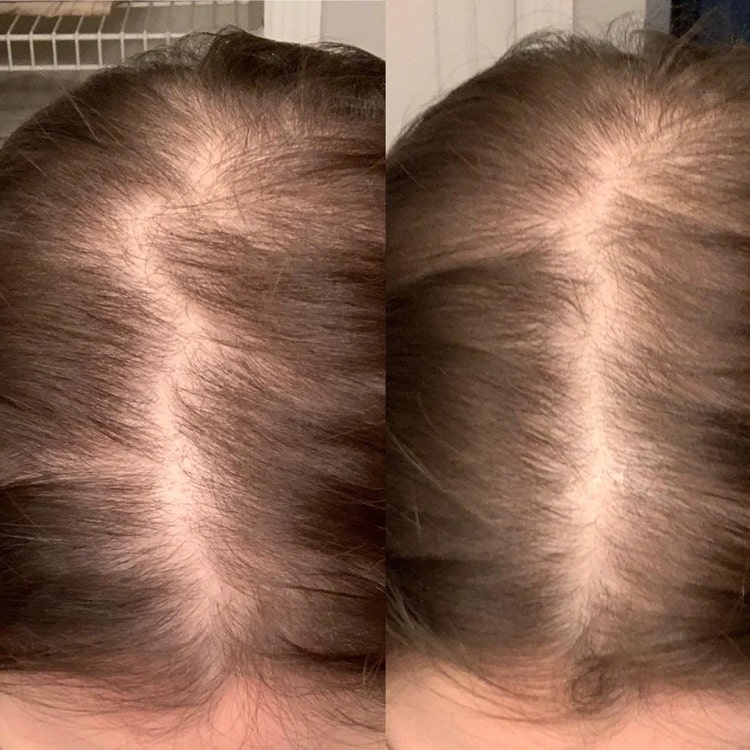
Pregnancy is a time of tremendous change, both physically and emotionally. For many expecting mothers, hair health may become a primary concern due to the myriad hormonal fluctuations that characterize this period. Nutrafol, a dietary supplement marketed for promoting hair growth and combating hair thinning, has gained considerable popularity. This leads to a pertinent question: Can I take Nutrafol while pregnant? To unravel this, we will explore various dimensions of Nutrafol’s safety during pregnancy, its composition, and recommendations for future mothers.
Understanding Nutrafol: What Is It?
Nutrafol is a botanical-based supplement designed to support hair health. Its formulation typically includes a blend of vitamins, minerals, and plant extracts, each chosen for their reputed benefits to hair growth and health. Key ingredients might encompass biotin, vitamin E, saw palmetto, and several adaptogenic herbs. Each component aims to target the underlying causes of hair loss, such as stress, hormonal imbalances, and nutritional deficiencies.
Though marketed towards both men and women, the components tailored for women specifically consider the female hormonal profile, especially those experiencing hair thinning due to various life stages, such as postpartum or perimenopausal changes.
The Considerations for Taking Nutrafol During Pregnancy
When considering any supplement during pregnancy, it is crucial to evaluate its safety profile. During gestation, the body undergoes significant changes, and certain substances can pose risks to fetal development. Here is a detailed breakdown of critical considerations:
- Ingredient Safety: Each ingredient in Nutrafol must be evaluated for its safety during pregnancy. Some herbal extracts can have unexpected effects, and anecdotal evidence doesn’t always align with clinical data. For example, certain botanicals may stimulate hormonal activity that could affect pregnancy. Thus, a thorough review of each component is imperative.
- Dosing: Dosage matters. Pregnant individuals often take prenatal vitamins that may already contain many essential nutrients that Nutrafol offers. Duplicating some vitamins or minerals can lead to excessive intake, which can be harmful.
- Consultation with Healthcare Providers: It cannot be overstated how vital it is to engage in dialogue with healthcare professionals regarding supplement intake during pregnancy. Healthcare providers can assess individual circumstances and provide tailored recommendations.
- Understanding Individual Health Conditions: Existing health conditions could impact the safety of using Nutrafol. For example, if one has hormonal disorders or a history of complications during pregnancy, additional caution is warranted.
Expert Opinions and Research Findings
The landscape of medical guidance on supplements during pregnancy is evolving, with increasing research being conducted. However, literature specifically addressing Nutrafol and pregnancy remains limited. Most conclusions drawn are extrapolated from studies on similar herbal supplements or individual ingredients. While some experts advocate for caution, others argue that products like Nutrafol, when formulated to be safe, may pose no significant risk.
Research continues to highlight the importance of folic acid, iron, and other minerals, which are vital for both maternal health and fetal development. Nutrafol does contain many of these essential nutrients; thus, its potential benefits must also be weighed against possible risks.
Alternatives to Consider
For those wary of Nutrafol during pregnancy, various alternatives can promote healthy hair without the use of supplements. Here are several strategies that may provide support:
- Nutrient-Rich Diet: Emphasizing whole foods that are rich in vitamins A, C, D, E, and minerals such as zinc and iron can enhance overall hair health. Leafy greens, nuts, seeds, and lean proteins should feature prominently in the diet.
- Stress Management: Engaging in prenatal yoga, meditation, and relaxation techniques can effectively combat stress, which is beneficial not only for hair health but also for overall wellbeing during pregnancy.
- Adequate Hydration: Proper hydration keeps the scalp healthy and supports hair structure. Aim for ample water intake throughout the day.
- Gentle Hair Care: Avoiding harsh chemicals and heat styling can help mitigate damage to hair during pregnancy. Gentle handling can preserve natural oils and support hair vitality.
Final Recommendations
The inquiry into whether one can take Nutrafol while pregnant does not yield a straightforward answer. Individual circumstances, ingredient safety, and expert recommendations are paramount to making an informed decision. Consulting with healthcare providers should be the first step before introducing any new supplement into the routine during pregnancy.
Ultimately, maintaining a holistic approach to health that includes a balanced diet, proper hydration, stress management, and personalized care is the best way to support both hair health and overall well-being during this transformative phase of life. Pregnant women are encouraged to prioritize their health and weigh the benefits and risks of any supplement, including Nutrafol, with professional guidance. In doing so, they can confidently navigate their pregnancy while attending to their hair health.