
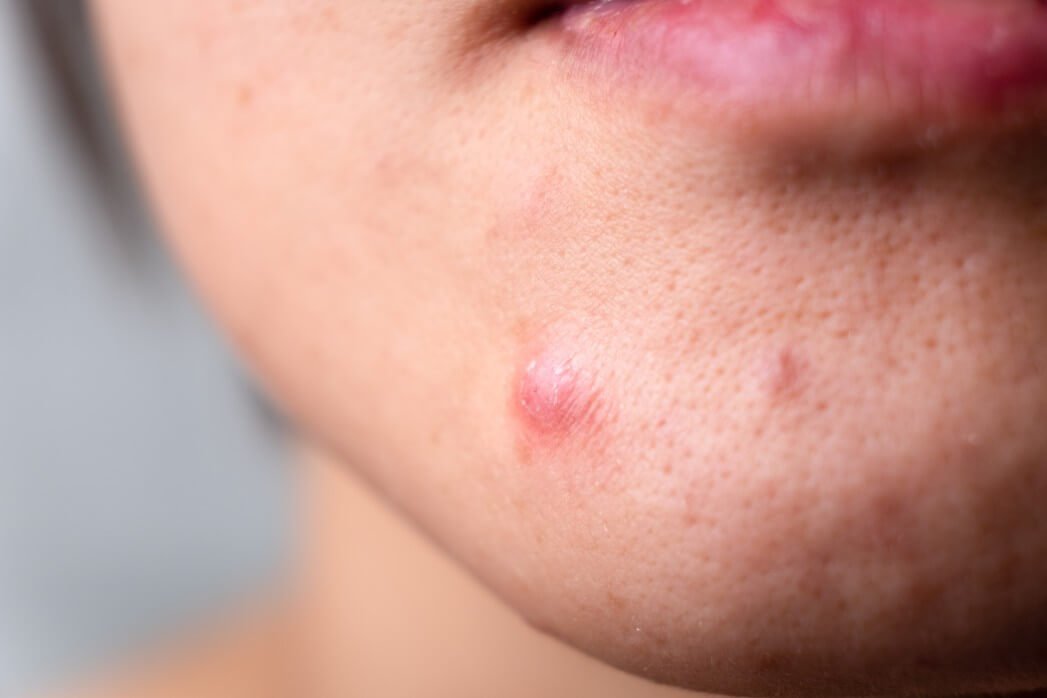
In the realm of dietary choices, oat milk has surged in popularity, captivating those seeking dairy alternatives. However, with the rising consumption of this creamy elixir comes a critical question: can oat milk cause acne? The discourse surrounding food and skin health is fraught with nuances, and when it comes to oat milk, the opinions from dermatologists may hold the key to deciphering the truth. This discussion delves into the intersection of diet and dermatology, examining the potential impacts of oat milk on acne formation.
To understand the relationship between oat milk and acne, it’s essential to briefly explore what acne is and its underlying mechanisms. Acne vulgaris, colloquially known as acne, is a skin condition characterized by the clogging of hair follicles with dead skin cells, oil, and bacteria. Factors such as hormonal fluctuations, genetics, and diet play significant roles in its development. As dietary habits evolve, it becomes pertinent to investigate how certain food items influence skin inflammation and overall health.
Oat milk is primarily made from oats and water, offering a nutrient-rich alternative to conventional dairy. Rich in fiber, vitamins, and antioxidants, it has garnered attention for its potential health benefits. However, its relationship with acne is much more complex than one might presume. The crux of the argument lies in the composition of oat milk and its potential effects on insulin levels and inflammation.
One of the most salient points in this discussion is the glycemic index (GI) of foods consumed. High GI foods can cause rapid spikes in blood sugar levels, which in turn can lead to increased insulin production. This insulin surge can stimulate the sebaceous glands, resulting in excess oil production—a primary contributor to acne development. Oats, while generally perceived as a healthy food, have a moderate GI, leading experts to consider whether oat milk might share similar glycemic properties.
Dermatologists often emphasize the importance of understanding individual responses to dietary changes. While some individuals may notice a correlation between the consumption of oat milk and flare-ups, others may not experience any adverse effects. Distinctions must be made—it’s not merely the consumption of oat milk, but the overall dietary patterns, lifestyle choices, and unique skin types that ultimately shape one’s relationship with acne.
Furthermore, the processing of oat milk can vary widely among manufacturers. Some oat milks contain added sugars or thickeners that may exacerbate acne in sensitive individuals. Sugary beverages raise insulin levels, while various emulsifiers may alter gut microbiota, inducing systemic inflammation. It is critical for consumers to scrutinize the ingredients list on oat milk packaging. Opting for unsweetened variants is often recommended to minimize potential acneogenic effects.
Another factor to consider is the natural composition of oats themselves. Oats contain beta-glucans, which possess anti-inflammatory properties. This could suggest that oat milk may actually work to mitigate skin inflammation rather than provoke it. However, the equilibrium between potential benefits and drawbacks differs across individuals, emphasizing the need for a tailored approach to diet.
Multiple studies investigating the impact of dairy on acne, specifically cow’s milk, have revealed that hormones present in dairy can exacerbate acne. This raises a pertinent question: how do the hormonal profiles of oat milk and cow’s milk compare? Unlike cow’s milk, oat milk is plant-based and devoid of the hormones that could stimulate acne. This delineation often leads dermatologists to advocate for plant-based options for individuals prone to breakouts. Yet, limited research has directly evaluated oat milk’s impact on acne, necessitating further investigation.
Moreover, hydration levels and skin health are intrinsically linked. Oat milk is often praised for its excellent hydration properties, potentially contributing to overall skin health. Hydrated skin is less prone to inflammation and dryness, which are both factors that can aggravate acne. Consequently, incorporating oat milk as part of a balanced diet might provide benefits that outweigh the concerns related to acne for some individuals.
As the conversation on diet and acne evolves, it’s vital to dismantle the myth that oat milk is universally detrimental to skin health. While it may provide unforeseen consequences for some, it conversely offers a gentle alternative for others striving to evade dairy-induced breakouts. The key takeaway is awareness; paying attention to how one’s skin reacts to different foods, including oat milk, can illuminate dietary paths that promote clearer skin.
Maintaining a balanced diet replete with varied nutrients, antioxidants, and healthy fats may provide a more holistic approach to managing acne rather than fixating solely on specific foods. Consulting with healthcare professionals, including dermatologists and nutritionists, can provide valuable insights tailored to individual skin types and dietary needs. This comprehensive approach may yield better results than merely attributing skin issues to singular dietary components.
Ultimately, the efficacy of oat milk as a skin-friendly alternative hinges upon personal experience. While dermatologists present compelling evidence on dietary impacts on acne, the vast individual variability reinforces the understanding that there is no one-size-fits-all answer. As with many aspects of health, what proves beneficial for one person may not hold true for another.
To conclude, as you incorporate oat milk into your diet, consider monitoring your skin’s response. With a more profound awareness of your dietary choices, you can navigate the intricate relationship between what you consume and the health of your skin. The journey to clearer skin is often multifaceted and requires collaboration between nutrition and dermatology, devoid of simplistic categorizations. Thus, approach oat milk with curiosity, openness, and a commitment to self-discovery.