
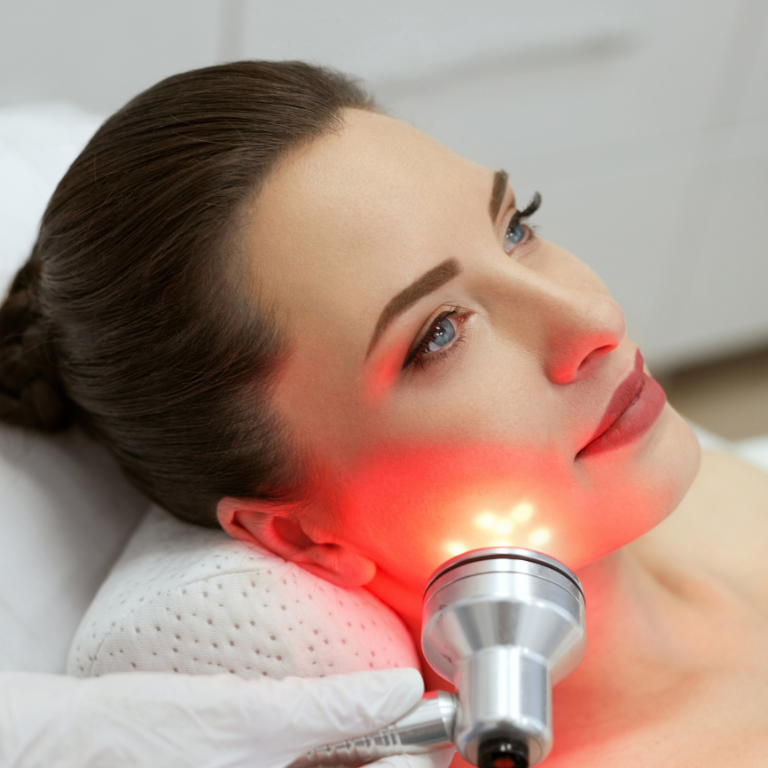
Red light therapy (RLT) has garnered attention in recent years for its purported benefits, ranging from skin rejuvenation to pain relief. However, a common question arises among enthusiasts and potential users alike: Can you use red light therapy every day? To properly address this query, it is crucial to explore various dimensions, including safety, effectiveness, and recommended usage protocols.
First, let’s delve into the fundamentals of what red light therapy entails. RLT involves exposing the skin to low wavelengths of red light, typically between 600 to 650 nanometers. This light penetrates the skin, purportedly stimulating cellular activity, enhancing mitochondrial function, and promoting ATP (adenosine triphosphate) production – the energy currency of cells. The biological implications of these processes could potentially lead to improvements in skin health, wound healing, and even muscle recovery.
Nevertheless, understanding the safety of daily application is paramount. While many studies have demonstrated the beneficial effects of RLT, it is imperative to consider individual variability. For the majority of people, RLT is deemed safe for everyday usage. However, specific populations, including those with light sensitivity, certain skin conditions, or those taking photosensitizing medications, should exercise caution. Consultation with a healthcare professional prior to beginning any new therapeutic regimen is advised for these individuals.
Daily use of red light therapy comes with its own set of considerations regarding effectiveness. Frequent exposure can amplify the benefits observed in clinical studies; however, more is not always better. It’s crucial to find a balance. Overexposure to wavelengths outside the recommended spectrum or excessive duration of sessions could lead to diminishing returns. Thus, harnessing red light therapy’s full potential while ensuring safety involves adherence to established guidelines.
Gradual acclimatization to red light therapy sessions often yields the most favorable outcomes. Beginning with shorter sessions – around 10 to 15 minutes – and gradually extending them can allow the body time to adapt. Current research suggests that engaging in RLT 3 to 5 times per week might suffice for most users. By incorporating rest days, cells can recover and maintain their sensitivity to light stimulation. Moreover, this approach may minimize any potential strain on skin tissue.
In terms of application techniques, users should consider the depth of penetration required for specific conditions. For superficial skin concerns, such as acne, a close proximity to the light source is beneficial. Conversely, for systemic issues like joint pain, it may be more effective to maintain a distance that allows for wider coverage. Utilizing devices that emit consistent red light at appropriate intensities ensures a uniform treatment experience. Furthermore, adhering to the manufacturer’s guidance regarding distance and duration is essential to maximizing therapeutic outcomes.
Additionally, understanding the combined effects of red light therapy with other modalities can enhance therapeutic efficacy. For instance, individuals integrating RLT with topical treatments should note the potential for enhanced absorption, which can promote better results. However, when layering therapies, a cautious approach is wise; combining treatments too aggressively may lead to unforeseen complications. Layering should be approached as an art rather than an impulse, embracing gradual adaptations and monitoring responses.
While the potential benefits of red light therapy are considerable, skepticism can also be healthy. The allure of rapid, effortless results often overshadows underlying science. Not every claim regarding RLT’s transformative capabilities holds weight. For instance, while many endorse its anti-aging properties, it does not replace the need for a comprehensive skincare regimen including sun protection and hydration. Users should strive for an informed perspective rather than succumbing to marketing hyperbole.
A tangible concern for daily users of red light therapy lies in the long-term effects. Though short-term studies showcase positive results, longitudinal research is essential to comprehensively understand the impact of daily exposure. Concerns may arise regarding the cumulative effects, such as potential skin sensitivity or other unknown responses over extended periods. Thus, alternating between usage days can serve as a preventive measure, allowing for continual benefits without overwhelming the skin’s resilience.
Lastly, it is vital to stay abreast of emerging research on red light therapy. The field is evolving, with new studies frequently shedding light on optimal practices and untapped benefits. Engaging with reputable journals and staying informed about the latest findings can lead to a more enriching experience. The intersection of science and practice will ultimately provide users with a holistic understanding of how to integrate RLT safely into their daily lives.
In summation, the question of whether one can use red light therapy every day is nuanced and warrants careful consideration. While daily application may be advantageous for many, ensuring safety, understanding limitations, and recognizing individual variations is paramount. Adopting a structured approach to RLT, staying informed, and engaging with healthcare professionals when necessary can enhance the therapeutic experience. When navigate this promising field with vigilance and insight, users can truly realize the potential benefits of red light therapy.