
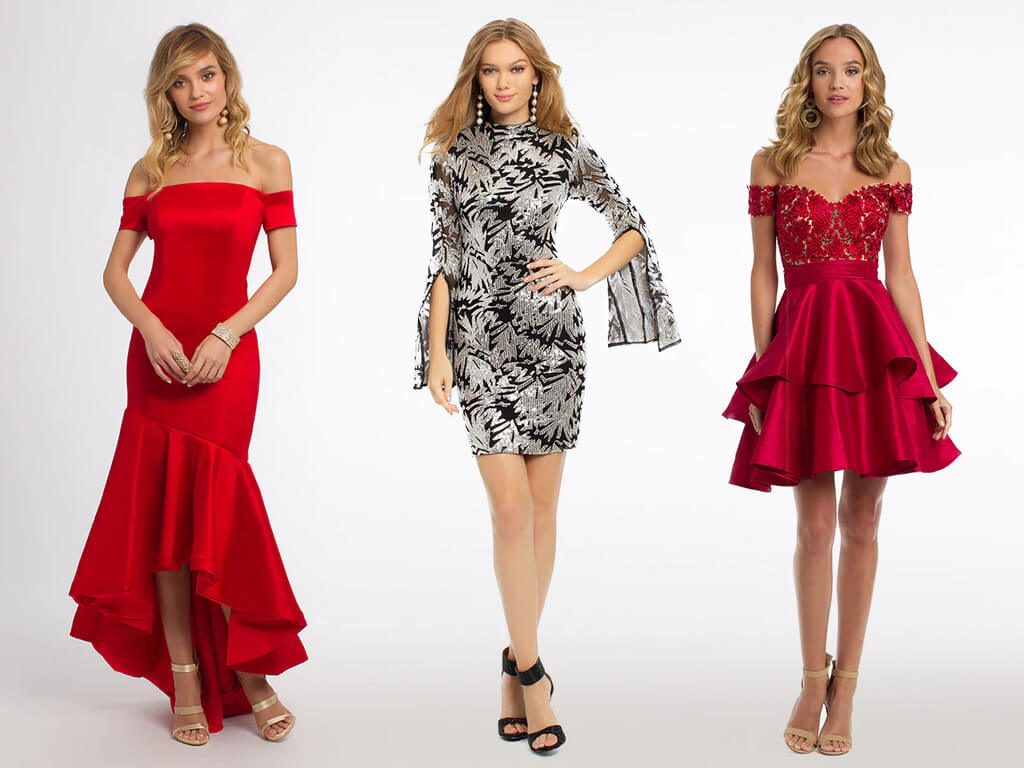
When it comes to party attire, two elegant options dominate the discussion: the cocktail dress and the evening gown. Each offers unique qualities and is suited for distinct occasions, enhancing the wearer’s aesthetic while aligning with social expectations. This comprehensive guide delves into the nuanced differences, suitability, and style choices surrounding these two fashionable contenders, ensuring that you make an informed decision for your next soirée.
Defining the Styles
The cocktail dress is typically characterized by its shorter hemline, falling anywhere from just above the knee to mid-calf, and is often infused with playful designs and colors. This style emerged in the mid-20th century as a response to the more formal dresses traditionally worn for evening events. On the other hand, the evening gown is synonymous with sophistication and grandeur, traditionally sweeping the floor with its elongated silhouette. This opulent attire is frequently crafted from luxurious fabrics and garnished with intricate details, making it the epitome of formal wear.
Occasion Analysis
Understanding the occasion is paramount when selecting between a cocktail dress and an evening gown. Cocktail dresses are ideal for semi-formal gatherings, such as engagement parties, cocktail hours, and some wedding receptions. They allow for creativity while adhering to a certain level of elegance, making them versatile choices for myriad social events.
In stark contrast, evening gowns cater to formal occasions that warrant a grand display of fashion. Events such as galas, black-tie weddings, and formal banquets call for this timeless piece, which embodies sophistication, decorum, and sometimes, even a hint of drama. The expectation is clear: an evening gown transforms the wearer into a vision of elegance as they glide through the venue.
Fabric and Design Considerations
Fabric choice plays a critical role in the overall presentation of both styles. Cocktail dresses often utilize lighter materials such as chiffon, satin, or cotton blends. These fabrics contribute to the playful and inviting aura that cocktail dresses emit. Embellishments might include flirty ruffles, floral prints, or bold colors, allowing for personal expression while remaining chic.
Conversely, evening gowns boast richer textiles like silk, taffeta, and velvet. The choice of fabric is designed to lend an air of luxury and contour, emphasizing the wearer’s silhouette. Evening gowns often feature elaborate detailing, including beadwork, lace overlays, and dramatic plunges. The designs can range from timeless classic styles to contemporary cuts that challenge conventional norms. Additionally, the color palette for evening gowns tends to be more subdued, leaning towards deeper hues like black, navy, or jewel tones, fostering an aura of sophistication.
Cut and Silhouette
When considering the silhouette, cocktail dresses may present a range of styles from A-line to sheath, allowing for versatility. The length and fit can be tailored to highlight individual body types and preferences, facilitating a customizable fit that celebrates one’s form.
Evening gowns, however, focus on a more structured design. The mermaid, empire waist, and ball gown cuts dominate the evening gown landscape, each celebrating the wearer’s body in their distinct manner. The formality of the evening gown necessitates a certain level of poise, prompting wearers to embrace their stature and movement with confidence.
Accessorizing Your Look
Choosing the right accessories can elevate either a cocktail dress or an evening gown. Cocktail dresses typically call for playful adornments—think statement necklaces, colorful clutches, and vibrant heels. Because the dress itself is often already lively, accessories should aim to complement rather than overpower the overall look.
When accessorizing an evening gown, the focus shifts towards opulence. Elegant pieces such as diamond studs or chandelier earrings create a stunning contrast against the gown’s fabric. A sophisticated clutch and strappy stilettos further enhance the ensemble. The essence of this look is to maintain balance; therefore, opting for understated elegance often proves to be the optimal choice.
Footwear and Comfort
Comfort is another critical element to consider. Cocktail dresses generally allow for comfortable footwear choices, from stylish flats to moderate heels, facilitating mobility throughout lively gatherings. This flexibility affords the opportunity to dance the night away without the hindrance of cumbersome shoes.
In contrast, evening gowns often dictate more delicate footwear selections. Stilettos or opulent ankle-strap heels are common, adding height and elegance to the overall look. However, this also means that wearers may find mobility restricted. Selecting shoes that boast both style and comfort is essential to fully enjoy the chosen event.
Final Considerations
Choosing between a cocktail dress and an evening gown hinges on various factors, including the event’s formality, personal style, and comfort levels. Both styles possess their own unique charm and characteristics, catering to different facets of social engagement. Understanding these differences allows for more strategic wardrobe planning, ensuring you arrive at your next event poised and impeccably dressed.
In conclusion, whether you opt for a spirited cocktail dress or an enchanting evening gown, make your choice thoughtfully, embracing the opportunity to express your individuality while adhering to the social context. The perfect party look awaits, and it starts with knowledge and appreciation of these beautiful garments.