
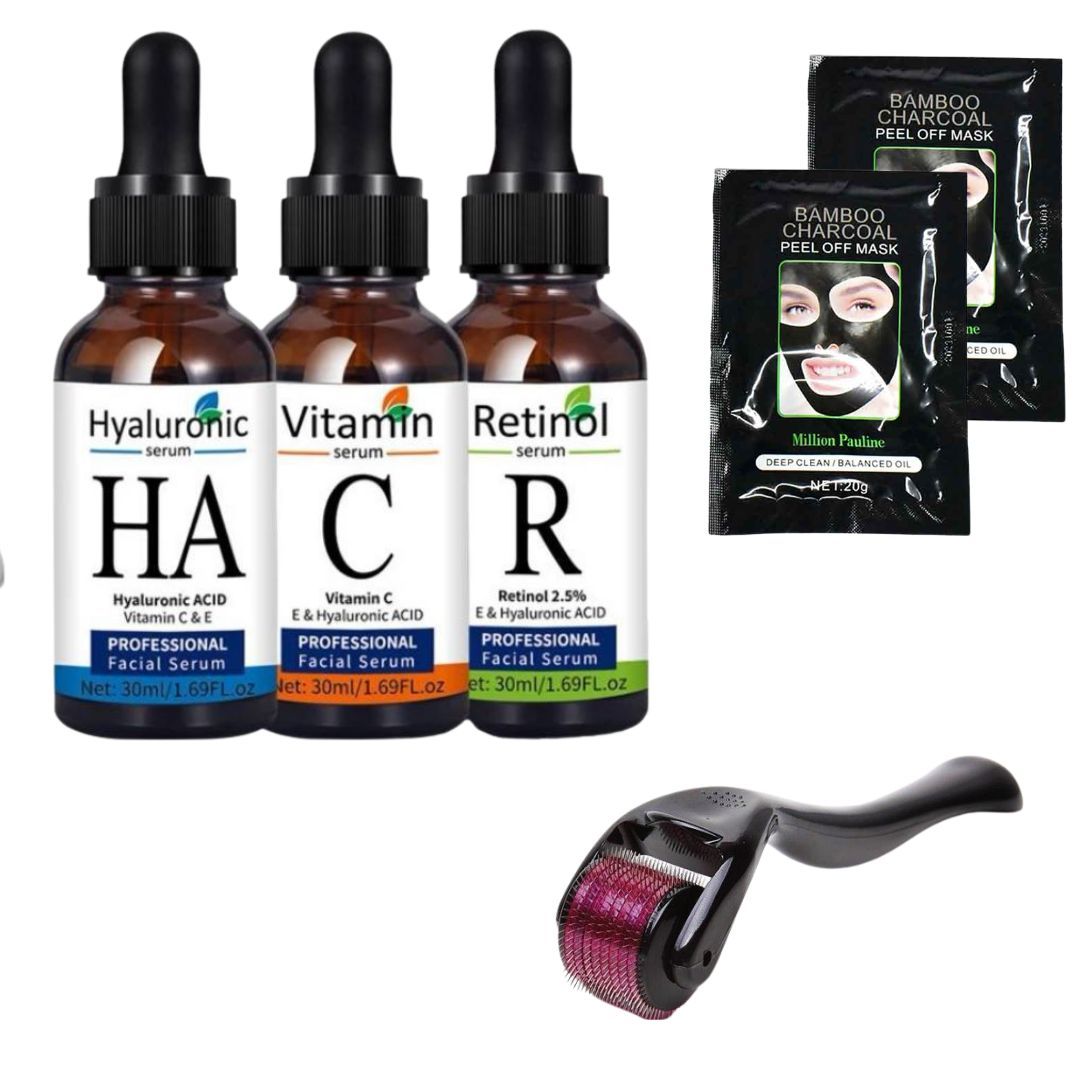
Collagen, hyaluronic acid, and vitamin C are three paramount components in skincare that work synergistically to enhance skin health, impart a youthful glow, and remedy various dermatological concerns. Understanding the specific roles and interactions of these ingredients can significantly elevate one’s skincare regimen. This article delves into the intricate benefits of collagen with hyaluronic acid and vitamin C, elucidating why they are essential in contemporary skincare.
First and foremost, collagen is a fundamental structural protein that constitutes a significant portion of our skin. It is crucial for maintaining the skin’s elasticity and firmness. As we age, natural collagen production declines, leading to the appearance of fine lines, wrinkles, and sagging skin. The depletion of collagen is not merely a cosmetic issue; it can also impact the skin’s overall resilience and texture. By supplementing collagen through topical applications or ingestible forms, one can bolster the skin’s structural integrity, promoting a plump and youthful appearance.
Hyaluronic acid, a naturally occurring glycosaminoglycan, possesses the unique ability to retain moisture. This remarkable property makes it an invaluable ally in skincare. Incredibly, hyaluronic acid can hold up to 1,000 times its weight in water, thereby providing unparalleled hydration to the skin. This hydration is crucial not only for combating dryness but also for facilitating the skin’s healing processes. When applied topically, hyaluronic acid imbues the skin with a dewy glow, minimizes the appearance of fine lines, and contributes to a smoother surface.
Vitamin C emerges as a potent antioxidant, renowned for its ability to neutralize free radicals that cause oxidative stress. This damage can lead to premature aging and a plethora of skin issues, including hyperpigmentation and dullness. Vitamin C’s role is multifaceted; it not only protects the skin from environmental aggressors but also promotes collagen synthesis. This synthesis is vital for repairing aged skin and enhancing its percutaneous rejuvenation. Furthermore, vitamin C helps in brightening the complexion, elevating the skin’s overall radiance and clarity.
When combined, collagen, hyaluronic acid, and vitamin C create a holistic approach to skincare that addresses multiple concerns concurrently. The synergy among these components heightens their individual efficacy, offering a comprehensive anti-aging solution. For instance, while vitamin C stimulates collagen production, hyaluronic acid ensures that the newly formed collagen is effectively hydrated, thus enhancing its functionality and longevity.
Moreover, these ingredients are beneficial for all skin types. Oily skin can benefit from the lightweight hydration offered by hyaluronic acid without the worry of excessive oiliness. Conversely, dry skin finds solace in the hydrating and restorative properties of collagen and hyaluronic acid. Additionally, for sensitive skin types, vitamin C—when formulated properly—can provide soothing benefits while promoting an even, glowing complexion.
Another prominent advantage of this combination is its versatility in application. Many serums, moisturizers, and creams now incorporate all three ingredients, enabling easy integration into existing skincare routines. However, practitioners and enthusiasts must choose formulations wisely. Look for products that feature stable forms of vitamin C, as traditional L-ascorbic acid can degrade quickly when exposed to light and air. Similarly, ensure that hyaluronic acid is present in different molecular weights to penetrate various skin layers effectively.
Regular usage of products designed with collagen, hyaluronic acid, and vitamin C can yield noticeable improvements over time. Users often report enhanced skin texture, reduced fine lines, and a visible increase in hydration levels. The cumulative effects lead to more resilient skin, which can withstand environmental stressors more effectively. Furthermore, these ingredients complement a wide array of treatment modalities, including facials, peels, and laser therapies, enhancing the overall results.
Despite their myriad benefits, it is crucial to acknowledge potential challenges associated with these ingredients. Some individuals may experience sensitivity or adverse reactions to certain formulations, particularly those containing concentrated vitamin C. A patch test is advisable to mitigate such risks, particularly for those with pre-existing sensitivities. Additionally, while these ingredients collectively promote health and beauty, they are not miracle solutions; a holistic approach—including a balanced diet, adequate hydration, and sun protection—is paramount for optimal skin health.
In conclusion, the combination of collagen, hyaluronic acid, and vitamin C offers a formidable trifecta in the pursuit of youthful, radiant skin. Their unique properties and synergistic interactions present an effective approach to addressing diverse skin concerns. Incorporating these ingredients into a skincare regimen can yield transformative results, promoting a vibrant complexion while concurrently fortifying the skin’s structural integrity. An informed approach will enable individuals to navigate the myriad options available and select formulations that truly harness the power of these remarkable ingredients.