
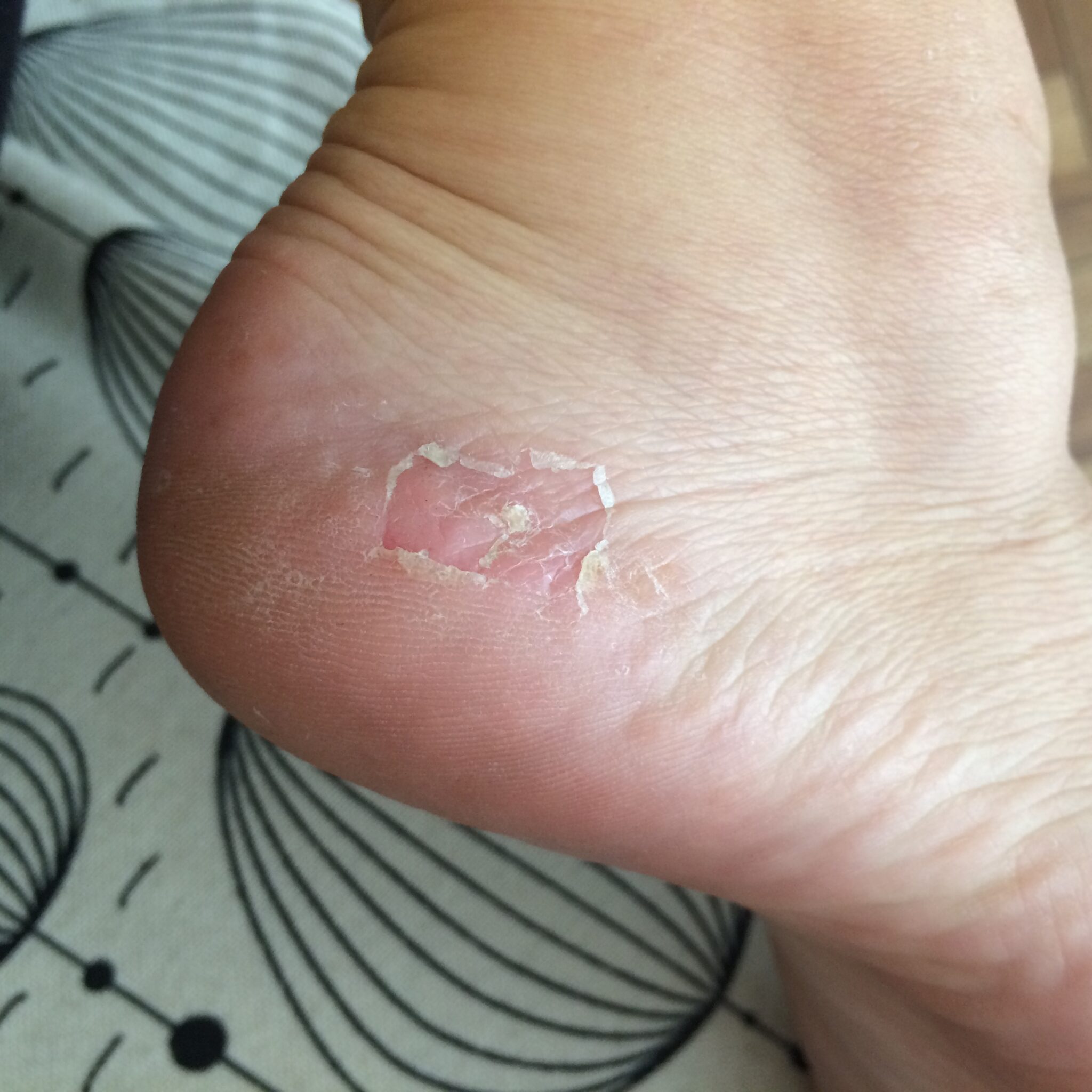
Deep lines on the bottom of the feet, often overlooked, can be a source of discomfort as well as a signal of underlying health issues. These crevices, or fissures, may not only present an aesthetic concern but also raise questions about foot health and wellbeing. This article will delve into the myriad of causes behind these lines and explore effective treatments to mitigate their effects.
Understanding Deep Lines on Feet
To fully appreciate the implications of deep lines on the feet, it is essential first to understand the anatomy of the foot. The skin on the bottom of the feet is notably thicker than on other parts of the body, serving as a protective barrier against friction and pressure. However, this unique structure can result in distinct line patterns, influenced by various factors.
Intrinsic Factors Contributing to Deep Lines
Several intrinsic factors can lead to the formation of deep lines on the feet. These include:
- Age: As individuals age, the skin on the feet may lose collagen and elasticity, leading to increased lines.
- Genetics: Some people may be predisposed to develop deeper lines due to hereditary factors.
- Skin Conditions: Conditions like eczema or psoriasis can alter the skin’s natural texture, causing deep fissures.
Extrinsic Factors Influencing Deep Lines
Extrinsic factors also play a prominent role in the development of deep lines. These include:
- Footwear: Ill-fitting or unsupportive shoes can pressure specific areas of the feet, resulting in deeper lines over time.
- Moisture Levels: Extreme dryness can cause the skin to become cracked and lined, while excess moisture can lead to fungal infections, exacerbating the issue.
- Physical Activity: High-impact activities may increase wear and tear on foot skin, leading to pronounced lines.
Health Conditions Linked to Deep Lines
Beyond aesthetic concerns, deep lines can signal underlying health problems. Conditions to consider include:
- Diabetes: Diabetic neuropathy can alter skin texture and moisture levels, increasing susceptibility to deep lines.
- Thyroid Disorders: Hypothyroidism can lead to dry skin, resulting in pronounced lines and cracks.
- Vitamin Deficiencies: A lack of essential vitamins, particularly A, C, and E, can compromise skin health, contributing to deep fissures.
Embracing a Holistic Approach to Treatment
Addressing deep lines effectively requires a comprehensive strategy that encompasses lifestyle adjustments, treatment options, and preventive measures.
Lifestyle Modifications
Implementing certain lifestyle changes can significantly improve foot health:
- Hydration: Ensuring ample hydration maintains skin elasticity and prevents cracking. Drinking plenty of water is essential.
- Footwear Choices: Opt for shoes that provide adequate support and fit perfectly to minimize pressure and friction.
- Regular Foot Care: Incorporate a routine of cleansing and moisturizing the feet to promote skin health and prevent dryness.
Topical Treatments
Over-the-counter products can be beneficial in treating deep lines and other related skin issues:
- Moisturizers: Emollient creams containing urea or lactic acid can help in softening and hydrating the skin.
- Exfoliation: Employ gentle exfoliation to remove dead skin cells and promote regeneration while preventing deepening of lines.
- Antifungal Treatments: If fungal infections are present, a suitable antifungal cream can alleviate symptoms and prevent further skin damage.
Medical Interventions
If deep lines persist despite home care, professional intervention may be necessary. Options include:
- Podiatrists: Consulting a podiatrist can provide insights into specific foot conditions that may be exacerbating the issue.
- Dermatological Treatments: Procedures like laser therapy or chemical peels can rejuvenate skin and reduce the appearance of deep lines.
- Addressing Underlying Health Issues: Managing any underlying conditions, such as diabetes or thyroid disorders, will help alleviate symptoms.
Prevention is Key
To ward off deep lines, preventative care is paramount. The following strategies can be effective:
- Maintain a Balanced Diet: A diet rich in vitamins and minerals supports overall skin health.
- Regular Foot Assessments: Regularly inspect feet for signs of cracks or changes in skin texture to address issues promptly.
- Appropriate Footwear: Invest in shoes that offer comprehensive support and comfort for daily activities.
Concluding Thoughts
Deep lines on the bottom of the feet may initially seem trivial, yet they can be indicative of larger health issues. By understanding the causes and implementing effective treatments, it is possible to enhance foot health and overall wellbeing. Remember, healthy feet contribute directly to a vibrant and active life, so take the necessary steps to ensure their care and protection.