
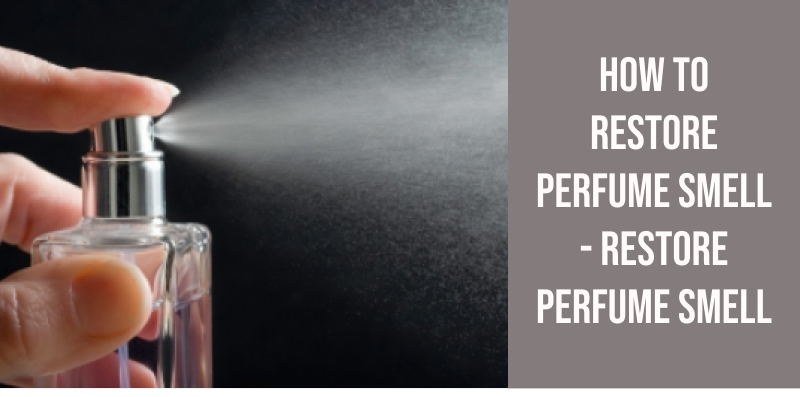
When it comes to the world of fragrances, many aficionados find themselves grappling with a ubiquitous question: Do I need to rewear perfume? The answer is not as straightforward as one might hope. A myriad of factors influences whether the decision to reapply is warranted, encompassing everything from the perfume’s formulation to personal preferences. This article ventures into the multifaceted universe of scent, offering tips and tricks for ensuring your fragrance makes the statement you desire.
Understanding Fragrance Longevity
To determine whether reapplying is necessary, it’s crucial to grasp the concept of longevity. The lifespan of a perfume can vary widely based on its concentration, which is categorized into several types: parfum, eau de parfum, eau de toilette, and eau de cologne. Among these, parfum boasts the highest concentration of fragrance oils, typically ranging between 20-30%, allowing it to last longer than its counterparts. Conversely, eau de cologne contains around 5-8% fragrance oils, resulting in a fleeting scent profile.
In general, a standard eau de toilette may offer around 4-6 hours of scent, while eau de parfum can extend to 8 hours or more. If you find that your fragrance dissipates rapidly, it could be time to consider reapplication, especially if you’re heading to an important event or an evening affair where you want to make a lasting impression.
Factors Contributing to Fragrance Fading
Several elements can expedite the fading of a scent. Skin chemistry plays a pivotal role; everyone’s skin has a unique pH level and oil composition, which can interact differently with various fragrances. Additionally, environmental factors such as temperature, humidity, and even the products used on your skin can influence scent longevity. High temperatures can amplify fragrance molecules, causing them to evaporate faster, while dryer skin might struggle to hold onto the perfume.
Moreover, the method of application can dictate longevity. Spraying a fragrance on pulse points—such as the wrists, behind the ears, and the nape of the neck—can enhance its staying power. These areas generate heat, which can help to diffuse the scent throughout the day. If you’re battling with the question of reapplication, consider how you apply your perfumes during your routine.
The Art of Reapplication
Should you decide to reapply, timing is essential. A subtle refresh usually works best in the late afternoon or evening, when the initial spritz has waned but you wish to maintain olfactory allure. However, there are caveats; overdoing it can lead to an overwhelming cloud of scent that becomes less elegant and more oppressive. A light spritz—aimed at pulse points—can create a nuanced effect, rather than an all-consuming aura.
Also, consider layering fragrances if you find that certain scents wear away too quickly. This technique not only enhances lasting power but can also add complexity to your scent profile. A base layer of a longer-lasting fragrance can provide a strong foundation to which you can add lighter, more ephemeral notes.
Perfume Storage: A Key Consideration
The manner in which you store your perfume can drastically affect its longevity. Fragrances should be kept in a cool, dark place, away from direct sunlight and heat sources. Exposure to these elements can alter the chemical composition of your scent, leading to a diminished quality and lifespan. A well-kept fragrance, stored ideally in its original box, can last several years without losing its character.
Another important aspect of storage is the flacon itself. Choose glass bottles over plastic, as they are less prone to interaction with the scent. Moreover, be cautious about how you handle your perfume; avoid shaking it vigorously or exposing it to air for prolonged periods. These practices can deteriorate the integrity of the fragrance, leading to the need for more frequent reapplications.
Fragrance Wardrobe: Diversify Your Choices
Instead of relying on a single scent for every occasion, consider creating a diverse “fragrance wardrobe.” This approach allows you to rotate between perfumes based on mood, season, and environment. A fresh, citrus-based fragrance may serve you well during spring and summer, while deeper, spicier notes can evoke warmth and coziness in the colder months. A well-curated collection reduces the necessity of frequent reapplication by ensuring that you always have the right scent on hand for any situation.
Responding to Wearer’s Scent Needs
Ultimately, the decision to rewear perfume should stem from your personal preferences and the occasion at hand. Recognize that olfactory experiences differ not only between individuals but also across various environments and times. If you find joy in refreshing your fragrance throughout the day, then reapply as needed. Alternatively, if you’re inclined towards a more subtle approach, consider modern alternative methods such as scented body lotions or sprays that can offer a more discreet, yet effective, scent enhancement.
Conclusion
To rewear or not to rewear perfume is a question with no one-size-fits-all answer. By understanding the intricacies of fragrance longevity, factors affecting scent retention, and the art of application, you can refine your approach to wearing perfume. Remember, the goal is not just to smell good but to feel confident and empowered by the scent that accompanies you. So, whether you’re reapplying your favorite signature scent or experimenting with new olfactory landscapes, embrace the journey and let your fragrance tell your unique story.