
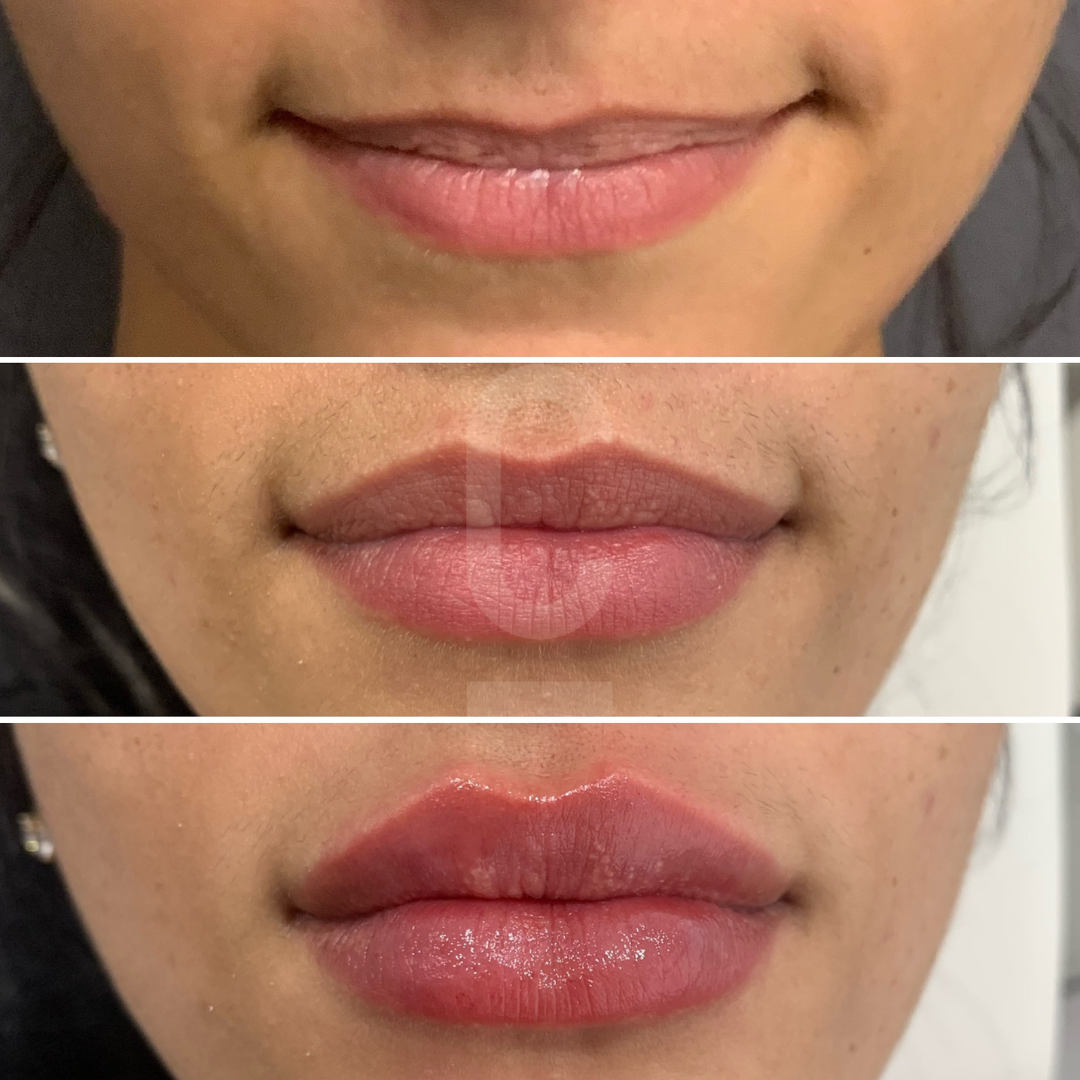
When it comes to cosmetic enhancements, lip fillers have garnered significant attention and popularity in recent years. As individuals seek fuller and more aesthetically pleasing lips, questions arise about the long-term effects and potential complications of such procedures. Among the various concerns, the phenomenon of “smiling lips crease” stands out. This article delves into whether lip fillers cause this specific issue and explores the intricacies of lip augmentation.
Understanding Lip Fillers
To assess the relationship between lip fillers and smiling lips crease, it is essential to comprehend what lip fillers are. Typically, these fillers consist of hyaluronic acid, a substance naturally found in the body that provides hydration and volume. When injected into the lips, these fillers enhance shape, structure, and overall fullness. However, the manner in which they interact with the delicate tissue of the lips is crucial in determining long-term effects.
What Are Smiling Lips Creases?
Smiling lips creases refer to the folds or lines that develop around the mouth, particularly when smiling or expressing emotions. These creases can form due to a variety of factors, including aging, repetitive facial movements, and the biological integrity of the skin. Understanding the underlying mechanics of these lines can shed light on whether cosmetic enhancements play a role in their occurrence.
The Anatomy of the Lips
The lips comprise several elements, including the epidermis, dermis, and underlying musculature. The skin’s elasticity is pivotal in maintaining a youthful appearance. Over time, environmental factors, reduced collagen production, and genetic predisposition contribute to the formation of creases. The injection of fillers can temporarily alter lip volume, yet it may inadvertently affect the skin’s ability to rebound, especially in those prone to dehydration or skin laxity.
Dos and Don’ts of Lip Fillers
Before succumbing to the allure of fuller lips, it is prudent to consider a few guidelines regarding lip fillers:
- Do Consult a Licensed Practitioner: Ensure your injector has a reputable background and can provide credible insights into risks and benefits.
- Don’t Overdo It: Excessive volumes can lead to unnatural appearances and increase the likelihood of adverse effects.
- Do Consider Hyaluronic Acid-Based Fillers: These are typically reversible and more natural-looking than permanent options.
- Don’t Ignore Aftercare: Proper aftercare can help diminish the likelihood of complications and sustain aesthetic results.
Can Lip Fillers Cause Smiling Lips Creases?
The crux of the matter lies in the interplay between lip fillers and the formation of smiling lips creases. While lip fillers are generally safe and effective, certain circumstances can exacerbate the onset of these creases:
- Technique and Injection Depth: The skill of the practitioner is paramount. Poor injection technique can lead to uneven volume distribution, which may cause asymmetries and contribute to creasing.
- Amount of Filler Used: Over-injection can lead to unnatural movement and tension in lip tissue, potentially resulting in pronounced creases during expressions.
- Individual Anatomy: Each person’s anatomy and skin quality differ. Some individuals may be more prone to developing creases regardless of filler usage.
Long-Term Effects of Lip Fillers
Understanding the longevity of fillers is crucial, as these substances do not remain indefinitely. Hyaluronic acid fillers typically last between six months to a year, after which the body gradually metabolizes them. Over time, repeated injections can alter the structure and elasticity of the lips, which may impact the appearance of smiling lips creases.
Moreover, extended usage may lead to a phenomenon known as “filler fatigue,” where the skin starts to lose its natural elasticity and volume due to over-reliance on fillers, contributing to the prominence of creases.
Alternatives to Lip Fillers
For individuals apprehensive about fillers or those wishing to avoid potential side effects, a myriad of alternatives exists:
- Topical Products: Lip balms containing hyaluronic acid or peptides can offer temporary hydration and plumpness without the need for injections.
- Laser Treatments: Dermatological options can stimulate collagen production, to mitigate the appearance of creases over time.
- Dermal Fillers in Other Areas: Instead of focusing solely on the lips, fillers can also be used around the mouth to address general lines and creases.
Conclusion
In summary, while lip fillers can enhance the fullness and aesthetic balance of the lips, their impact on smiling lips creases is nuanced and dependent on various factors. Proper technique, personalized assessment, and adherence to aftercare can mitigate associated risks. Ultimately, individuals seeking lip fillers should approach the decision with careful consideration, weighing the desired enhancement against the potential for smile-related creasing. By opting for professional guidance, one can navigate the landscape of lip enhancement with greater confidence and knowledge.