
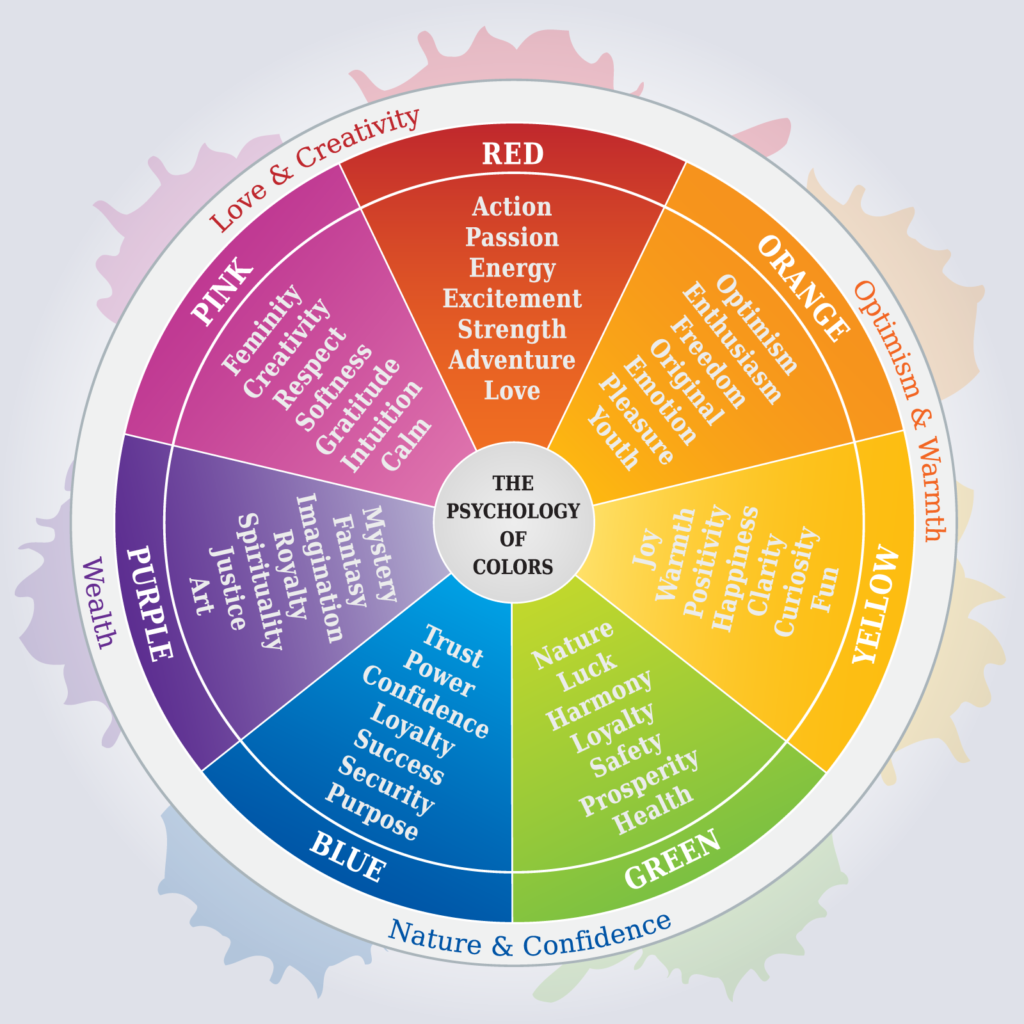
The vibrant spectrum of colors we encounter daily not only enriches our visual experience but also plays a pivotal role in shaping our thoughts, feelings, and behaviors. Among this kaleidoscope, green, often associated with nature, tranquility, and growth, possesses a well-documented psychological influence. However, there exists a burgeoning trend of intentionally excluding green from personal wardrobes. This exploration delves into the psychological nuances behind such choices, highlighting the transformative power of color while considering broader societal contexts.
To begin, it is vital to understand the intrinsic psychological attributes tied to the color green. It evokes feelings of calmness and relaxation while symbolizing renewal and stability. In nature, green signifies growth and fertility, potentially influencing how individuals perceive their surroundings and themselves. Nevertheless, the act of omitting this color from one’s wardrobe can emerge from various factors, ranging from personal experiences to cultural interpretations and trend-driven motivations.
One plausible rationale for excluding green from one’s attire involves personal associations. Not everyone experiences green in the same light. For some, the color may be linked to distressing memories or negative sentiments—perhaps a green room that once brought anxiety. These subjective experiences can prompt individuals to avoid green altogether, signaling that personal history often trumps societal symbolism.
Societal influences also play a significant role in color preferences. The world of fashion, academia, and even corporate environments encourage certain color choices to convey specific messages. In professional settings, where assertiveness and confidence are crucial, colors like black, navy, and gray are often favored, as they project authority and seriousness. Green, while harmonious, may be perceived as too relaxed or casual for serious business interactions. By excluding green, individuals consciously align their choices with the desired persona they wish to project.
Moreover, current trends within popular culture can greatly influence color preferences. The notion of ‘seasonal colors’ is a guiding principle in fashion, where certain colors become symbolic of particular times of the year. For instance, spring is heralded by pastels, while autumn embraces earth tones. During these trends, green might be overshadowed, prompting individuals to gravitate towards colors deemed more fashionable at any given moment. Such decisions can lead to an inadvertent exclusion of green, despite its inherent qualities.
The psychology behind color extends deeper, involving notions of identity and self-expression. People often curate their wardrobes to project a specific image or persona to the world. The decision to avoid green may arise from the desire to embody traits that are misaligned with the symbolism of the color. For example, an individual striving to express energy or creativity may prefer bold hues like red or orange, while avoiding green which they associate with passivity. This highlights the dynamic interplay between color psychology and personal identity, wherein one’s wardrobe becomes a canvas of self-representation.
Explore further into the realm of cultural interpretations, and the complexities multiply. Various cultures impute distinct meanings to colors, including green. In some societies, green is revered as a symbol of good fortune and prosperity, while in others, it may be viewed as a harbinger of envy or jealousy. Consequently, personal beliefs and cultural backgrounds can significantly influence attitudes toward green. An individual rooted in a cultural context that views green unfavorably might consciously decide to remove it from their wardrobe.
Additionally, the psychological implications of color can inform mental well-being. Engaging with specific colors can engender particular emotional responses. For instance, wearing vibrant, energizing colors may elevate one’s mood and inspire motivation. Conversely, donning green might bring a sense of peace, but for someone grappling with feelings of inertia or complacency, this could be counterproductive. Thus, shunning green can be a deliberate strategy for fostering an upbeat and proactive mindset.
Another salient aspect is the role of personal style evolution in relation to color choice. As individuals traverse through different life stages, their preferences may shift markedly, influencing color selections in their wardrobe. A young adult embracing spontaneity might favor playful palettes, whereas middle age could encompass a preference for established tones, potentially sidelining the nuances of green. This evolution underscores the transient nature of color affinity, underscored by the intersection of experiences and self-growth.
Environmental factors may also incite a conscious exclusion of green from one’s wardrobe. In urban settings saturated with artificial stimuli, individuals often seek colors that will stand out against the backdrop of gray buildings and concrete landscapes. In this context, vibrant colors may serve as a form of escapism or self-assertion, inadvertently leading to a neglect of green, which could fade into the mundane.
While embracing color psychology involves appreciating the emotional resonances associated with hues, it is equally essential to recognize the subjective nature of these associations. Each person’s relationship with color is nuanced, informed by an intricate mesh of personal experiences, cultural understandings, and social dynamics. Excluding green from one’s wardrobe does not merely reflect a color preference; it embodies a multifaceted narrative shaped by individual identity, emotional responses, and societal influences.
Ultimately, the choice to exclude green can yield insightful discussions about the broader implications of color in personal identity and emotional well-being. The wardrobe serves as a powerful expression of the self, and each color decision crafted therein tells a unique story. In acknowledging the complexities surrounding color choices, one cultivates a deeper appreciation for the profound influence colors have on our everyday lives.