
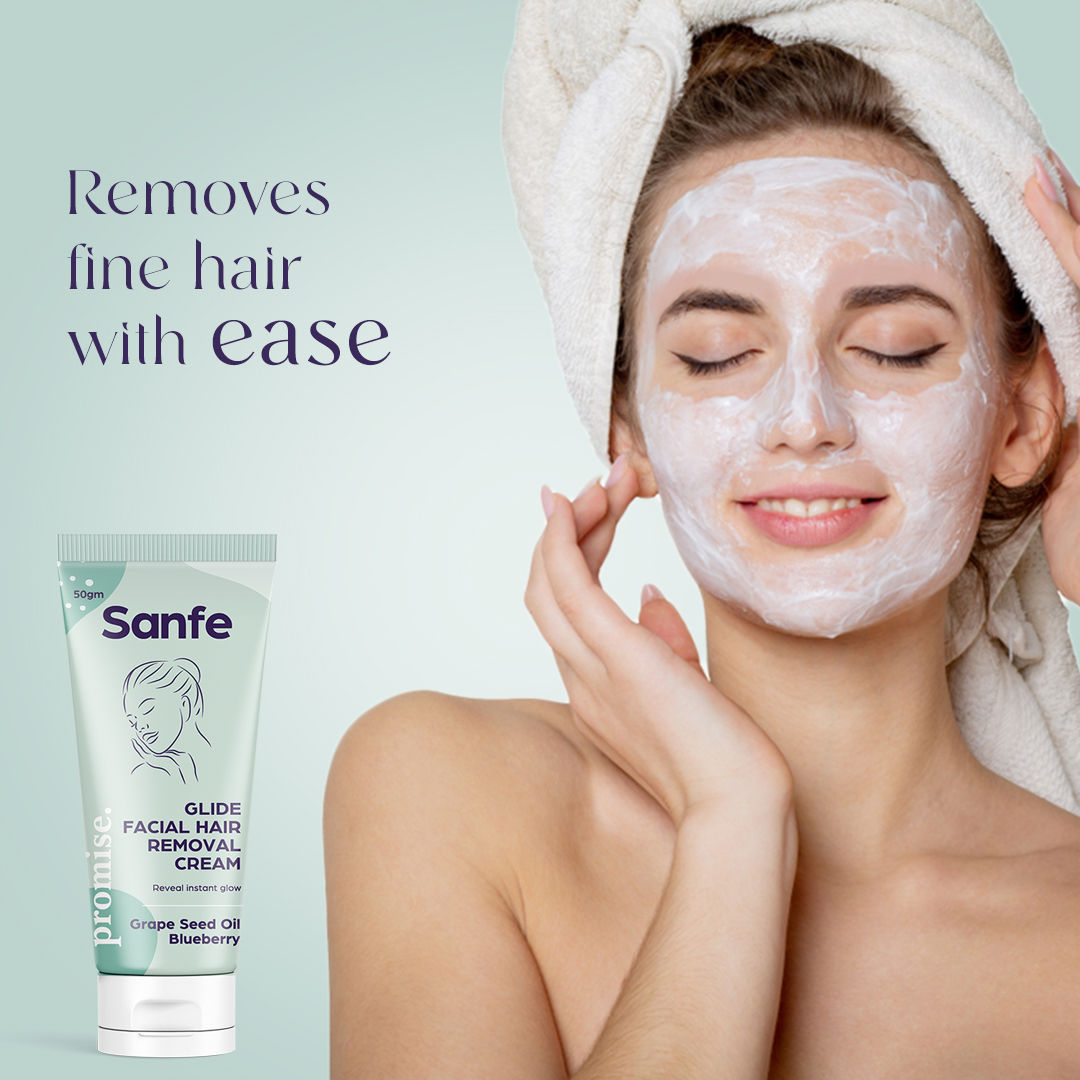
Hair removal has come a long way from traditional methods such as shaving and waxing. While those techniques still remain prevalent, innovations in personal care products have paved the way for more convenient and painless alternatives. One such advancement is the Glide and Go Hair Removal Cream, designed to address facial hair concerns effectively and with minimal discomfort. This article will delve into how this product functions, its ingredients, application tips, and key considerations for optimal results.
Understanding the Mechanism of Action
Glide and Go Hair Removal Cream operates on the principle of chemical depilation. Unlike razors that merely cut hair at the surface or waxing that uproots hair from the follicle, hair removal creams employ a blend of potent chemicals to break down the keratin structure of hair. This process allows the hair to be easily wiped away, creating a smooth, hair-free surface without the pain commonly associated with other hair removal methods.
The primary active ingredients in these creams are typically thioglycolate compounds. These agents work by disrupting the hair’s protein structure, effectively dissolving it. While the speed and efficacy of the cream can vary depending on the formulation, most products offer rapid results—usually within five to ten minutes of application. Importantly, these creams are often enriched with soothing agents to alleviate potential skin irritation.
Ingredients That Matter
The formulation of hair removal creams is crucial to their safety and effectiveness. Common ingredients include:
- Calcium Thioglycolate: This is the core depilatory agent that actively breaks down hair proteins.
- Potassium Thioglycolate: Another effective depilatory compound that enhances the cream’s hair-dissolving capability.
- Moisturizers: Ingredients such as aloe vera and vitamin E are often included to provide hydration post-application, reducing the likelihood of dryness or irritation.
- Fragrance: While many formulations are designed to be mild, some creams include fragrances to mask the chemical smell.
- Surfactants: These aid in the uniform application of the cream and ensure that it spreads evenly across the desired area.
Being well-informed about the ingredients allows consumers to make educated choices, especially those with sensitive skin or allergies to specific substances.
Step-by-Step Application Process
For optimal results, following the correct application method is essential. Here is a simplified step-by-step guide:
- Perform a Patch Test: Before applying the product to larger areas, it is prudent to conduct a patch test. Apply a small amount of cream on an inconspicuous area to check for any adverse reactions.
- Clean and Dry the Area: Ensure that the skin is free from makeup, dirt, or oils. Gently cleanse and pat the area dry.
- Apply the Cream: Using a spatula or your fingers, apply an even layer of cream over the hair growth area. Ensure that the cream covers all intended spots without excessive thickness.
- Wait for the Recommended Time: Adhere to the time specified in the instructions—typically between 5-10 minutes. Avoid exceeding this duration, which can lead to skin irritation.
- Remove the Cream: Use a damp cloth or the provided spatula to wipe away the cream along with the dissolved hair. Rinse the area with lukewarm water to remove any residue.
- Moisturize: After the process, apply a soothing moisturizer to replenish hydration and calm the skin.
Tips for Enhanced Results
While the application process is straightforward, several strategies can enhance the effectiveness of the Glide and Go Hair Removal Cream:
- Choose the Right Product: Select a cream specifically designed for facial use. The skin on the face is more sensitive than other areas, requiring gentler formulations.
- Stay Consistent: Regular use can help manage hair regrowth and potentially weaken hair follicles over time, leading to finer hair.
- Exfoliate: Gentle exfoliation before application can aid in achieving a smoother finish by removing dead skin cells that may obstruct hair removal.
- Avoid Sun Exposure: Shield your skin from direct sunlight before and after treatment to prevent irritation and sensitivity.
- Incorporate a Skin Soothing Routine: Post-removal care should include calming products like aloe vera gel or witch hazel to mitigate any potential redness.
Potential Side Effects and Precautions
Despite their convenience, hair removal creams are not devoid of risks. Some individuals might experience side effects such as redness, burning sensations, or allergic reactions. Always read the label for specific warnings and recommendations. Individuals with sensitive skin or specific skin conditions should consult a dermatologist prior to use.
Moreover, the depilatory effect is temporary, requiring repeat applications every few days to maintain hair-free skin. This consideration can influence a consumer’s choice based on their personal grooming preferences.
Conclusion
The Glide and Go Hair Removal Cream presents a modern, convenient option for managing unwanted facial hair. Its ease of use, coupled with the speed of visible results, appeals to those seeking efficiency without compromising on quality. However, understanding the underlying mechanisms, proper application techniques, and potential side effects ensures a more thoughtful approach. Whether used as a standalone grooming method or as part of a broader beauty regimen, incorporating this product can translate into smoother, freer skin with less hassle.