
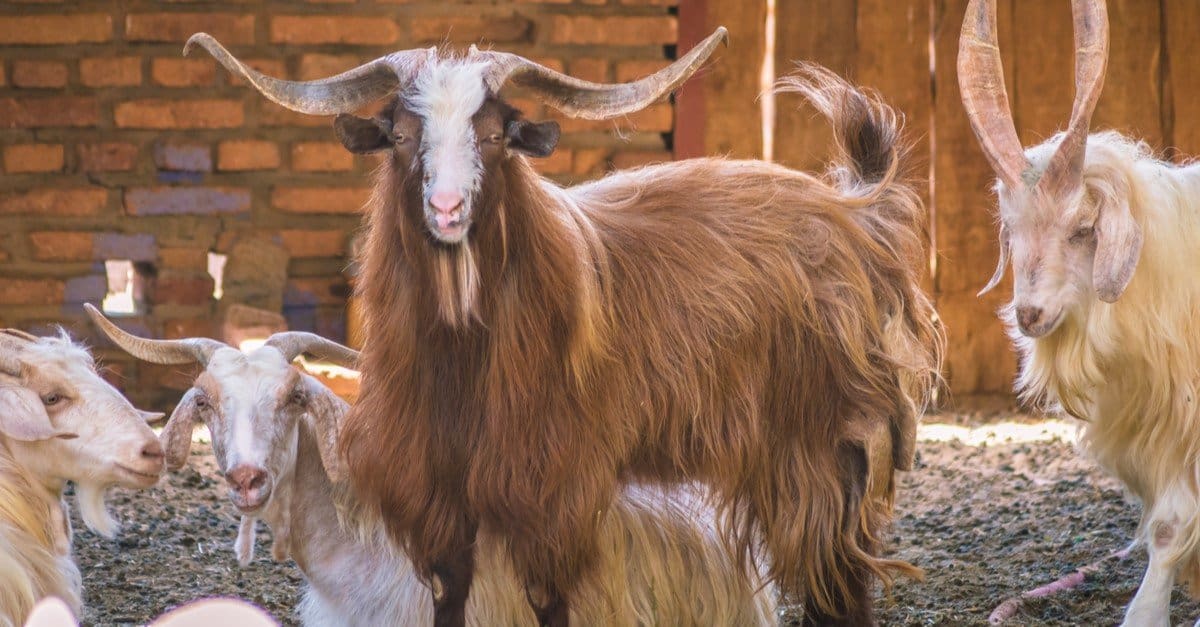
Goats have long been celebrated for their hardiness and adaptability, yet few people realize the significant role that Cashmere goats play in both agricultural and ecological contexts. The Cashmere goat, renowned for its luxurious fleece, represents not only a source of premium textile, but also a crucial component of biodiversity and land management practices. This article delves into the multidimensional ecosystem surrounding Cashmere goats, elucidating why these remarkable animals matter more than we may acknowledge.
The Unique World of Cashmere Goats
Cashmere goats, native to the harsh mountainous terrains of Central Asia, are distinguished by their remarkable ability to thrive in challenging climates. The dual-layer fleece they produce consists of a soft undercoat known as cashmere and a coarser outer coat. It is this fine undercoat that is treasured for its warmth and softness, making it a favorite among textile aficionados. However, this goat species offers more than a mere contribution to fashion; it plays an integral part in the wider ecosystem.
Contributions to Biodiversity
The domestication of Cashmere goats has inadvertently facilitated an increase in biodiversity in their native habitats. As these animals graze on shrubs and grasses, they help maintain the ecological balance within their environment. The selective grazing habits of Cashmere goats prevent the overgrowth of certain plant species, promoting the growth of a diverse array of flora. In many instances, this grazing activity encourages the thriving of native plant species that might otherwise be overshadowed, thus preserving genetic diversity and ecosystem resilience.
Moreover, the presence of Cashmere goats in pasturelands can positively impact soil health. Their grazing patterns help aerate the soil and stimulate microbial activity, which in turn enhances nutrient cycling. This process fosters not only a richer diversity of plants but also a more robust habitat for insects, birds, and other wildlife, creating a vibrant biosphere interconnected through a complex web of life.
Economic Significance
The economic implications of Cashmere goats extend far beyond their fleece. For many pastoral communities in regions such as Mongolia, Bhutan, and parts of Tibet, these goats serve as a vital source of income, sustenance, and social identity. The cashmere market is a global enterprise, with the fibers being exported and sold in premium markets worldwide. The economic activities surrounding Cashmere goats contribute to local economies and provide livelihoods for thousands of herders.
However, the inherent value of Cashmere goats transcends mere financial metrics. They represent a traditional lifestyle that is steeped in history and cultural significance. By supporting sustainable cashmere farming practices, we can help preserve not only the livelihoods of traditional herders but also the cultural heritage tied to these remarkable animals.
Ecological Sustainability
The sustainable management of Cashmere goats is an imperative concern in the face of escalating environmental issues. Overgrazing and unsustainable farming practices can lead to land degradation, habitat loss, and desertification. Therefore, promoting responsible grazing techniques and implementing rotational grazing systems can significantly mitigate these negative impacts. Such strategies ensure that pasturelands are given time to regenerate and recover, reinforcing both the land’s productivity and ecological integrity.
Moreover, the regenerative potential of Cashmere goats can be harnessed in agroecological practices. These farming methods intertwine agriculture with ecological health, acknowledging the importance of biodiversity and soil fertility. Integrating Cashmere goats into agroecosystems can provide natural pest control and enhance soil composition, ultimately leading to a more resilient food production system.
Climate Adaptability and Resilience
With climate change reshaping ecosystems worldwide, the adaptability of Cashmere goats becomes another critical factor to consider. Their origins in severe climates have endowed them with traits that make them resilient to extreme weather conditions. This characteristic may facilitate their resistance to changing environmental pressures, contributing to the overall robustness of livestock systems as conditions fluctuate.
Significantly, Cashmere goats are an invaluable asset in efforts to combat climate change, particularly in arid regions. Their ability to thrive on sparse vegetation makes them a sustainable option for grazing in areas prone to drought, thereby alleviating the demand on more water-intensive livestock. In this way, they provide a blueprint for sustainable livestock management amid a warming climate.
The Ethical Dimension
As consumers become increasingly conscious of the ethical implications of their choices, the conversation surrounding Cashmere goats must extend to humane treatment and welfare. Ensuring that these animals are raised in environments that prioritize their health and well-being is a critical component of responsible cashmere production. By advocating for certifiable ethical standards, consumers can support practices that respect the welfare of the animals while also promoting sustainable agriculture.
Conclusion: A Call to Action
The multifaceted significance of Cashmere goats within our ecosystems, economies, and cultures cannot be overstated. While often overlooked, these creatures embody a delicate balance between traditional pastoralism and modern sustainability challenges. Their contributions extend beyond the production of soft fibers; they play a vital role in fostering biodiversity, sustaining livelihoods, and promoting ecological well-being. The time has come for us to shift our perspective on Cashmere goats, recognizing them as not just sources of luxurious textiles but as crucial participants in the intricate tapestry of life on Earth. By championing sustainable practices, ethical treatment, and increased awareness, we can ensure that the future of Cashmere goats remains bright, securing their legacy for generations to come.