
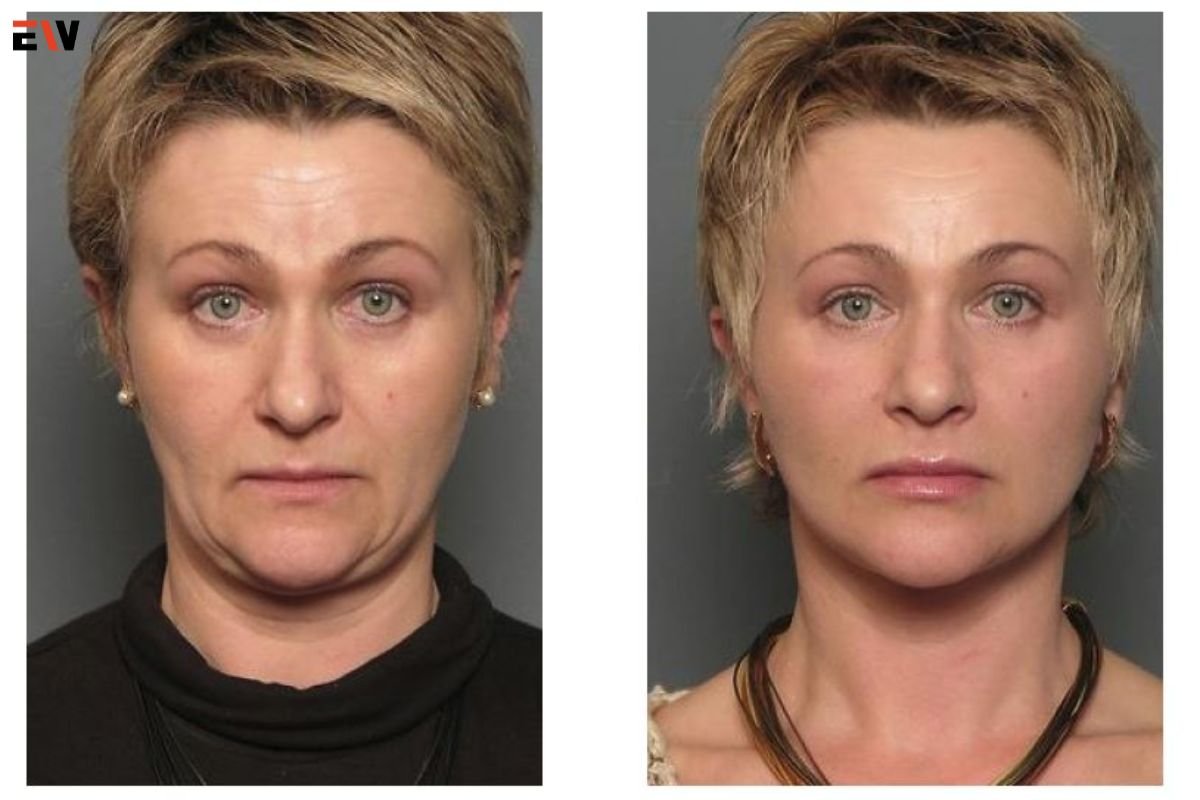
The allure of a youthful appearance has cemented the face lift as a popular cosmetic procedure. However, the journey to rejuvenation is not without its complexities and costs. Understanding the various factors that influence the financial aspects of a face lift can demystify the process and provide valuable insights for potential patients. Here, we delve into the eight crucial points regarding face lift costs and what you can expect throughout this transformative experience.
1. Initial Consultation Costs
Before any surgical procedure, a comprehensive consultation is necessary. This initial meeting often includes a review of medical history, discussions about aesthetic goals, and evaluations of skin condition. While some surgeons offer free consultations, others may charge a fee, typically ranging from $100 to $300. This cost may seem minimal compared to the total expenditure but can set the stage for the financial commitment ahead.
2. Geographic Location and Its Impact
The cost of a face lift can significantly vary based on geographic location. Urban areas, characterized by higher living costs, often yield higher surgical fees. For instance, a face lift in Beverly Hills or New York City may reach sums exceeding $20,000, while a similar procedure in smaller towns may average around $10,000. Understanding the economic landscape of your region will help provide clarity on the expected costs.
3. Surgeon Expertise and Reputation
The proficiency of the surgeon plays an essential role in the overall price of the procedure. Highly esteemed, board-certified plastic surgeons typically charge premium rates, as their extensive training and experience often translate into more desirable results. While choosing an experienced surgeon may require a heftier financial outlay, the long-term benefits of aesthetic satisfaction and reduced risk of complications can justify the investment.
4. The Type of Face Lift Being Performed
Not all face lifts are created equal. The type of face lift chosen will significantly impact costs. A traditional face lift involves extensive lifting and repositioning of the skin and underlying muscles and can average between $7,000 to $15,000. Alternatively, lesser invasive procedures, such as mini face lifts, can range from $5,000 to $10,000. Additionally, more specialized techniques, such as endoscopic face lifts, may also affect cost—in many cases, leading to higher surgical fees due to the complexity involved.
5. Anesthesia Fees
The anesthetic method deemed appropriate for the procedure will contribute to the overall expense. General anesthesia, which is often used for a complete face lift, can add anywhere from $800 to $1,500 to the total bill. Alternatively, local anesthesia with sedation may present a cost-effective approach, typically coming in under $1000. Discussing anesthesia options with your chosen surgeon can help clarify this aspect of the financial commitment.
6. Hospital and Facility Costs
Surgical settings can vary widely in terms of costs. Some surgeries are performed in outpatient surgical centers, while others may require hospitalization. Outpatient centers generally incur lower fees, averaging $500 to $5,000. Conversely, hospital-based procedures may encompass associated charges, including overnight stays, operating room fees, and additional staff required, elevating total costs significantly beyond the initial price quote.
7. Post-Operative Care and Recovery Expenses
The post-operative phase often constitutes an overlooked component of face lift costs. Follow-up appointments, typically necessary for monitoring recovery, can result in added charges. Additionally, potential complications may require further medical intervention. In some cases, patients may also invest in specific products recommended for skin care post-surgery, further augmenting total expenses. Understanding the full life cycle of costs, from immediate post-op care to long-term skin health, is essential.
8. Hidden Costs and Financial Planning
Hidden costs can lurk within the realm of cosmetic surgery, potentially catching patients off guard. For example, fees for pre-operative lab tests, imaging, and prescription medications can add up rapidly. Financial planning is critical; institutions may offer financing options or payment plans, making the process less daunting for prospective patients. Exploring all available avenues for financial support can empower patients to pursue surgical interventions without incurring financial distress.
In conclusion, embarking on a face lift journey involves much more than simply the surgical payment; it encompasses a myriad of factors that collectively shape the overall cost. Evaluating these eight essential points provides a more comprehensive understanding, ultimately enabling individuals to navigate their choices wisely. The promise of a revitalized appearance is compelling, but awareness of the costs involved constitutes a fundamental part of the decision-making process. By being informed, prospective patients can enjoy greater peace of mind as they transition into this exciting chapter of their lives.