
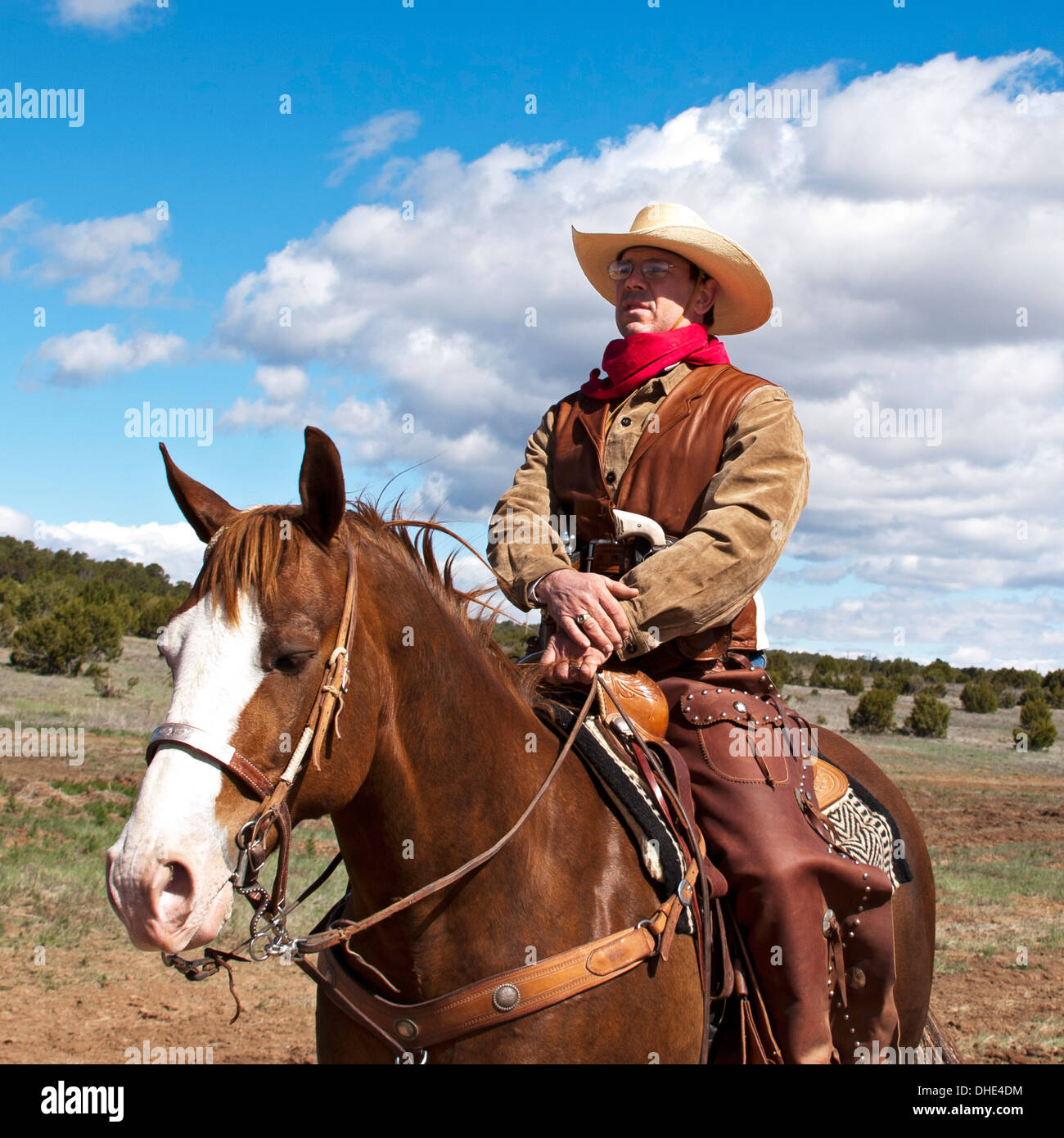
The attire of cowboys, often romanticized in popular culture, is far more than just a fashionable statement. It is a carefully orchestrated amalgamation of style and function, meticulously designed to withstand the rigors of outdoor life in unpredictable weather. This article delves into the multifaceted aspects of cowboy attire, dissecting how these garments serve practical purposes against the elements while simultaneously making a statement about identity and tradition.
At the heart of cowboy attire lies the iconic hat, often seen as a symbol of the American West. The broad brim of the cowboy hat serves practical functions in various weather conditions. In the blistering sun, it provides crucial shade, protecting the wearer from harmful ultraviolet rays. Conversely, in inclement weather, the hat can repel rain, directing water away from the face and neck. The materials—often made from felt, straw, or leather—add their own unique benefits. Felt, for instance, offers insulation, ensuring warmth during chilly nights, while straw is lightweight and breathable for summer days. The choice of hat material reveals a nuanced understanding of climatic variations, showcasing the cowboy’s adaptability to their environment.
A pivotal component of cowboy attire is the shirt, traditionally crafted from sturdy cotton or denim. The long sleeves provide protection against sun exposure and minor abrasions, while the breathable fabric allows for moisture wicking. During hot summer days, lightweight flannel or cotton shirts facilitate ventilation, ensuring the wearer remains cool. In contrast, thicker shirts offer insulation against the cold, making them versatile for varying temperatures. The classic western shirt often features decorative elements, harking back to cultural traditions, yet these embellishments do not overshadow their fundamental purpose: to meet the practical needs of wearers.
Pants, often overlooked, play a crucial role in the cowboy’s ensemble. Denim jeans, ubiquitous in cowboy fashion, are designed for durability and comfort. The sturdy fabric withstands wear and tear from horseback riding and rugged outdoor activities. Notably, many jeans are lined or treated to enhance wind resistance, offering added warmth during cold conditions. The loose fit also allows for freedom of movement, accommodating the dynamic lifestyle of a cowboy. Thus, while jeans may appear simplistic, they are engineered for function without compromising on style.
Footwear is another essential aspect of cowboy attire, particularly the classic cowboy boots. Beyond their aesthetic appeal, these boots serve numerous practical functions. Crafted from high-quality leather, they are designed to be both stylish and resilient. The elevated heel of cowboy boots provides stability while riding, preventing the foot from slipping through the stirrup. Moreover, the pointed toe was traditionally engineered to fit easily into the stirrup, enhancing functionality. In terms of protection, boots shield the feet from harsh conditions, keeping them warm and dry. Whether trekking through mud or navigating rocky terrains, cowboy boots embody the perfect synergy of form and function.
Accessories also hold significant importance in the functionality of cowboy attire. Bandanas, often tied around the neck, serve as versatile tools in adverse weather. In sunny climes, they can be moistened and worn to cool the body, providing relief from heat. Conversely, during windy or dusty conditions, they can function as masks, shielding the face from debris. Moreover, the iconic leather gloves enhance grip and protect the hands during various tasks, illustrating how each accessory supports a cowboy’s daily functions and combats environmental challenges.
Ponchos and chaps represent another layer of protection against the elements. Chaps are designed to shield the legs from brush and weather, crafted from heavy leather or waxed fabrics for optimal durability. This unique outerwear is not only functional but also a testament to cowboy heritage. Similarly, ponchos offer a stylish yet practical solution for unexpected rainstorms, keeping the body dry without impeding movement. Their origins can be traced back to indigenous cultures, thus creating a fascinating interplay between fashion, function, and cultural history.
Furthermore, it is essential to consider the interplay of color and design in cowboy attire. Darker colors tend to absorb heat, which can be beneficial in cooler temperatures. Conversely, lighter colors reflect sunlight, making them preferable in warmer conditions. The strategic choices of color and design, therefore, are significant in optimizing comfort against varying weather conditions. This attention to detail not only highlights the ingenuity of cowboy attire but also reflects a deep connection to the environment.
As we explore the nuances of cowboy attire, it becomes apparent that each element is carefully curated, bearing significance beyond mere style. Cowboys must navigate a multitude of challenges, from searing heat to torrential rain, making the practical aspects of their attire exceedingly important. These garments are emblematic of a storied heritage, representing resilience, adaptability, and an understanding of the elements. Ultimately, the intersection of fashion and function in cowboy attire serves as a testament to the enduring nature of this beloved cultural symbol.
In conclusion, the multifaceted nature of cowboy attire illustrates that clothing can serve both an aesthetic and practical purpose. As each component works harmoniously to protect against the elements, it becomes evident that cowboy attire is a functional art form, designed for the vagaries of weather and the demands of a rugged lifestyle. Understanding the utility of these garments offers a deeper appreciation of cowboy culture and the inherent wisdom within its traditions.