
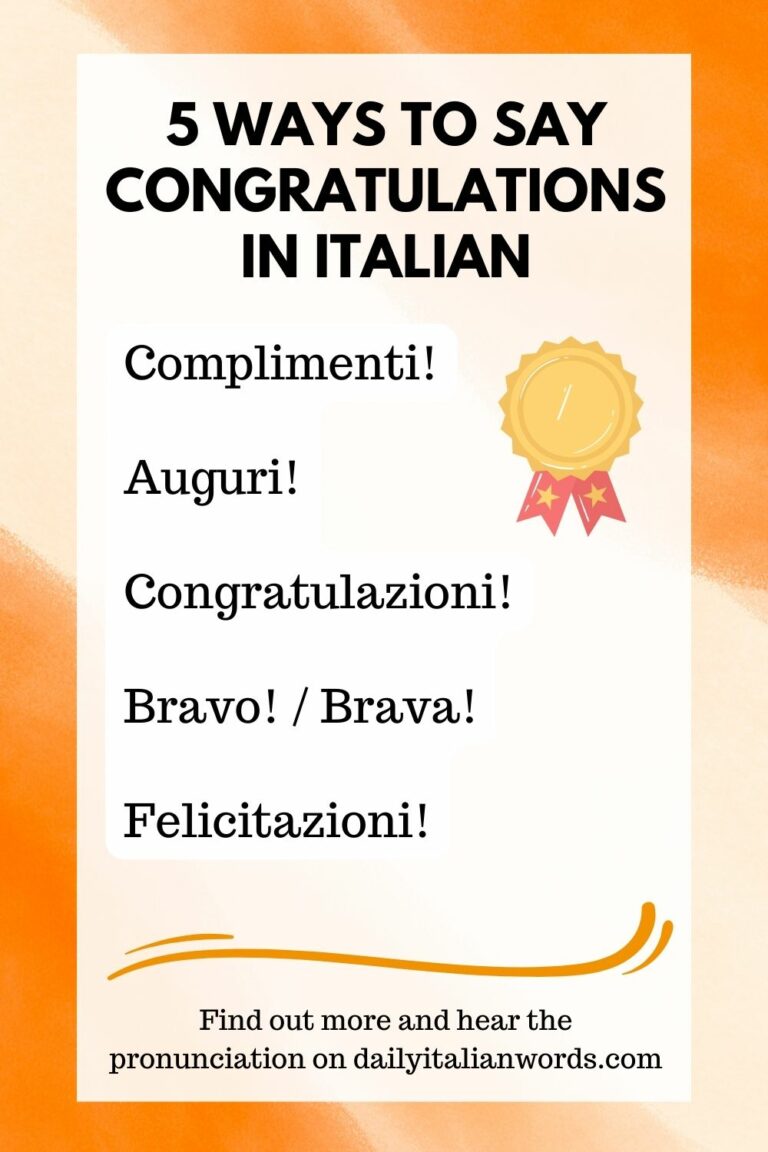
Understanding the nuances of language often unveils cultural intricacies that transcend mere word-for-word translations. In the Italian context, expressing congratulations can vary significantly depending on the occasion, the relationship between speakers, and even regional dialects. As such, mastering the phrase “congratulations” in Italian is not merely about memorizing a word; it reflects an appreciation for the subtleties of Italian culture and communication.
The most direct translation of “congratulations” in Italian is “congratulazioni.” This term is widely recognized and universally understood across Italy, making it an appropriate choice for a myriad of occasions—from celebrating academic achievements to personal milestones. However, to convey genuine warmth and sincerity, one should consider the context in which the expression is used.
- Congratulazioni! (Congratulations!)
The epitome of celebration, “congratulazioni” serves as the foundational term for expressing congratulations. It can be applied in both formal and informal settings. An example of its usage might be at a graduation ceremony, where family and friends enthusiastically shout “Congratulazioni!” as the graduates receive their diplomas. This single-word expression carries with it a sense of joy and collective accomplishment.
- Complimenti! (Compliments!)
In certain contexts, particularly when acknowledging a job well done or recognizing a talent, “complimenti” can be a fitting alternative. The word translates to “compliments” but serves a broader purpose. When someone reveals a remarkable achievement, such as an artistic creation or a culinary masterpiece, using “complimenti” reflects not only recognition but also admiration. It personalizes the acknowledgment, allowing for a more intimate connection.
- Bravissimo! (Very Well Done!)
When enthusiasm is the order of the day, “bravissimo” adds an extra layer of exuberance. Although it directly translates to “very well done,” its implications are far richer. Typically used in informal settings, it conveys both congratulatory and encouraging sentiments. If a friend performs exceptionally at a local theater performance or triumphs in a difficult situation, “bravissimo” articulates both approval and respect for their efforts.
- Ben fatto! (Well Done!)
“Ben fatto” is another informal expression meaning “well done.” While closely related to “bravissimo,” it is often employed in situations necessitating both acknowledgement and a sense of support. For instance, in a work environment, if a colleague achieves targets or completes a significant project, saying “ben fatto” reinforces teamwork and camaraderie. It conveys an appreciation for hard work and results, making it particularly effective in professional contexts.
- Congratulazioni vivissime! (Heartfelt Congratulations!)
If a situation calls for a heightened degree of enthusiasm, “congratulations vivissime” elevates the standard expression to a more fervent acknowledgment. This phrase can be particularly impactful during weddings, anniversaries, or exceptional life events such as the birth of a child. The term “vivissime” amplifies the joy and excitement, transforming the sentiment into something profound and memorable.
- Tanti auguri! (Many Wishes!)
While not a direct translation of congratulations, “tanti auguri” is frequently used in celebratory contexts, especially birthdays and other significant life milestones. The phrase translates to “many wishes,” but culturally it carries a tone of festivity. When wishing someone happiness on their birthday, using this phrase encompasses a broader sense of congratulatory sentiment, emphasizing well-wishing and joy rather than mere acknowledgment of achievement.
- Mi congratulo con te! (I congratulate you!)
For a more personal touch, “mi congratulo con te” offers a direct approach. By saying “I congratulate you,” the speaker takes ownership of the sentiment, making it explicit. This phrase can be particularly effective in intimate relationships, such as when acknowledging a partner’s or close friend’s successes. It emphasizes shared joy and fosters deeper emotional connections.
- Auguri! (Best Wishes!)
Similar to “tanti auguri,” the term “auguri” is also a versatile expression conveying best wishes across various occasions. It is informal and flexible, making it appropriate when congratulating someone on their achievements without being overly formal. Whether it’s for a job promotion, engagement, or other significant life events, “auguri” succinctly communicates celebratory sentiments while inviting a light-hearted atmosphere.
In conclusion, while “congratulazioni” may be the go-to word for expressing congratulations in Italian, exploring the richness of the language reveals a diverse lexicon of phrases tailored to a variety of contexts. The art of congratulating goes beyond mere words; it necessitates an understanding of the relational dynamics at play. Whether celebrating a small victory or a monumental life achievement, being able to articulate congratulations in a culturally sensitive manner enhances interpersonal connections and fosters an environment of positivity and support. Embracing these expressions not only enriches language skills but also deepens cultural comprehension, allowing for more meaningful interactions with Italian speakers.