
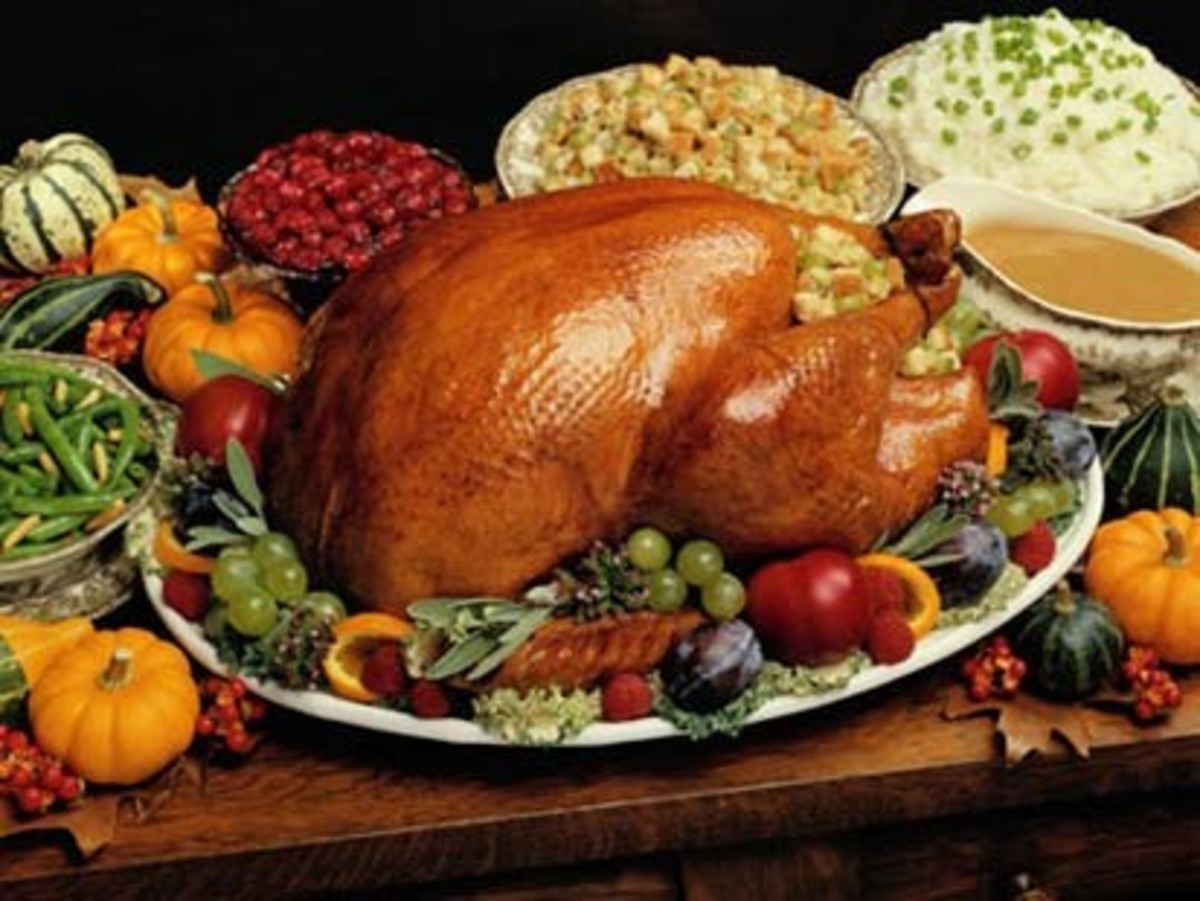
Thanksgiving, primarily recognized as an American holiday steeped in tradition and familial gatherings, has seen intriguing reverberations across Latin America. While Thanksgiving’s origins can be traced back to the early 17th century in the United States, its influence has subtly permeated various Latin American cultures, creating a unique amalgamation of customs and traditions. This piece delves into the mechanisms through which Thanksgiving traditions have influenced Latin American societies and examines how these adaptations reflect diverse cultural contexts.
Historical Context of Thanksgiving Traditions
The essence of Thanksgiving lies in gratitude and harvest. Initially celebrated by the Pilgrims, it came to symbolize a time for families to unify and acknowledge the bounties of the year. As this holiday ingrained itself within the American consciousness, it transpired that the celebratory gestures associated with Thanksgiving began to resonate beyond the geographical confines of the United States. This migration can be attributed to various factors, including migration patterns, cultural exchange, and the proliferation of media.
The Impact of Migration
Latin America has seen significant migration patterns throughout the 20th and 21st centuries, particularly to the United States. Many Latino families maintaining connections to their heritage have begun to adopt Thanksgiving traditions during their lives in America. Upon returning to their home countries or celebrating with diaspora communities, these families often bear with them the nuances of Thanksgiving celebrations. It is common to see Latino families infusing traditional elements of Thanksgiving, such as the Thanksgiving turkey, alongside their native dishes like tamales or empanadas, creating a celebrated fusion feast.
This phenomenon adequately illustrates a broader cultural melding—the adaptation of Thanksgiving that occurs as these individuals amalgamate elements from both American and Latin cultures. The holiday serves as an icebreaker, prompting reflections on themes of gratitude, family, and a communal experience that transcends linguistic barriers.
Cultural Exchange Through Media
Moreover, the advent of globalization and technology has played a pivotal role in the dissemination of Thanksgiving rituals in Latin America. With the proliferation of American films, television shows, and digital media, the depiction of Thanksgiving has instigated curiosity among Latin American audiences. Whether through romanticized portrayals of family gatherings in classic Hollywood films or modern sitcoms showcasing Thanksgiving dinners, these media portrayals have served as both education and entertainment. The colorful imagery of feasting, joy, and family bonding has evoked an allure that compels many to partake in their own festivities.
Social media platforms, too, have acted as facilitators for the sharing of traditions, recipes, and experiences surrounding Thanksgiving. The vibrant visuals of Thanksgiving feasts laden with turkeys, stuffing, and pies have inspired many Latin Americans to create their own iterations, often characterized by local ingredients and traditional flavors. The resulting dishes may not resemble the classic American Thanksgiving, but they capture the spirit of the season, underscoring a blending of cultural identities.
Adoption and Adaptation
In varying degrees, countries like Mexico, Colombia, and Brazil have begun to embrace aspects of Thanksgiving. In Mexico, for instance, the timing of Thanksgiving coincides with the Día de Muertos celebrations. Some families choose to incorporate elements of both holidays, showcasing their appreciation for both ancestors and the bounty of the harvest. Traditional dishes among these families may include turkey, but they often accompany it with mole sauces or tamales, creating an original culinary experience.
Meanwhile, in Brazil, where Thanksgiving does not inherently exist as a holiday, some families have sought to implement their version of Thanksgiving through gatherings that emphasize gratitude and communal meals. This reinterpretation reflects not only a loose adoption of American practices but an innate desire for familial unity during times of harvest, mirroring the foundational aspects of Thanksgiving.
Economic and Commercial Influences
The commercial aspect of Thanksgiving has not escaped the attention of Latin American countries either. Retailers have found merit in marketing Thanksgiving-themed product lines, ranging from seasonal decor to culinary ingredients. The economic implications of adopting Thanksgiving-related products underscore the enduring impact of American commercialism in shaping cultural practices abroad. Some Latin American cities even host Thanksgiving-themed events, including fairs and markets, which introduce people to the holiday festivities, thereby promoting a visceral experience of what Thanksgiving entails.
Reflecting on Identity and Diversity
The infusion of Thanksgiving traditions across Latin America cements a tapestry of identity that is multifaceted and nuanced. Those who experience Thanksgiving through a Latin American lens do so in a manner that respects their cultural heritage while simultaneously embracing new influences. This adaptation reflects a broader trend of cultural syncretism, where disparate traditions coalesce to produce a unique way of expression.
Ultimately, the evolution of Thanksgiving traditions in Latin America is emblematic of globalization and cultural intermingling. It illustrates how a holiday rooted in American history can be reinterpreted and celebrated in ways that resonate with diverse communities, standing as a testament to the dynamic nature of culture itself. It is through this lens—a lens that seeks to bridge differences and celebrate commonalities—that the enduring influence of Thanksgiving continues to thrive in Latin America.