
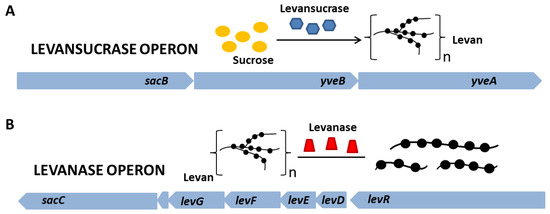
When it comes to skin hydration, hyaluronic acid (HA) has long been the gold standard—a molecule so celebrated that it’s found in serums, creams, and even injectable fillers. Yet, in the world of microbial polysaccharides, another compound is quietly making waves: levan. Derived from bacteria like Bacillus subtilis and Zymomonas mobilis, levan is a fructose-based polymer that’s gaining attention for its hydrating properties. But how does it compare to HA, the hydration heavyweight? The answer lies not just in their molecular structures but in how they interact with the skin’s deeper layers.
The Science Behind Hydration: How Levan and HA Work
At first glance, both levan and HA are polysaccharides, meaning they’re long chains of sugar molecules. However, their structures—and thus their functions—differ significantly. HA is a linear glycosaminoglycan composed of repeating disaccharide units of glucuronic acid and N-acetylglucosamine. Its linear structure allows it to bind to water molecules in a sponge-like manner, holding up to 1,000 times its weight in moisture. This is why HA is so effective at plumping the skin and reducing fine lines.
Levan, on the other hand, is a branched polymer of fructose. Its unique structure gives it a higher molecular weight and a more compact, globular shape. While it doesn’t hold as much water as HA, levan’s branched architecture allows it to form a protective film on the skin’s surface. This film helps to lock in moisture by reducing transepidermal water loss (TEWL), the process by which water evaporates from the skin. In essence, levan acts as a barrier, while HA acts as a reservoir.
This distinction is crucial for understanding their roles in skincare. HA’s ability to draw water into the skin makes it ideal for deep hydration, particularly in products designed to target fine lines and wrinkles. Levan, with its film-forming properties, is better suited for maintaining surface moisture and protecting the skin from environmental stressors like pollution and dry air.
Penetration and Retention: Where the Differences Lie
One of the most fascinating aspects of these two polysaccharides is how they interact with the skin’s barrier. HA, with its smaller molecular size (typically between 500 kDa and 2,000 kDa), can penetrate deeper into the skin’s layers. Once there, it binds to water molecules, swelling to create a hydrated, plump appearance. This is why HA is often found in injectable fillers—it can physically expand tissues by attracting water.
Levan, with its larger molecular size (often exceeding 1,000 kDa), primarily remains on the skin’s surface. Its branched structure allows it to form a thin, breathable film that doesn’t clog pores but still provides a barrier against moisture loss. This makes levan particularly useful in moisturizers and sunscreens, where surface hydration and protection are priorities. Additionally, levan’s film-forming ability can enhance the efficacy of other hydrating ingredients by preventing them from evaporating too quickly.
Interestingly, some studies suggest that levan may also have prebiotic properties, meaning it can support the growth of beneficial skin bacteria. This could further enhance its hydrating effects by maintaining a healthy skin microbiome, which plays a role in moisture retention.
Practical Applications: Which One to Choose?
The choice between levan and HA—or using them together—depends on the specific needs of the skin. For those seeking deep hydration and anti-aging benefits, HA is the clear winner. Its ability to penetrate the skin and hold vast amounts of water makes it ideal for serums and treatments targeting fine lines, dehydration, and loss of elasticity.
For individuals looking to maintain surface hydration, protect against environmental damage, or enhance the performance of other skincare products, levan is an excellent option. Its film-forming properties make it a valuable ingredient in moisturizers, especially for those with oily or combination skin, as it provides hydration without a greasy feel. Additionally, levan’s potential prebiotic benefits make it a compelling choice for sensitive or acne-prone skin, where maintaining a balanced microbiome is crucial.
Some skincare formulations combine both levan and HA to create a multi-layered approach to hydration. In such cases, HA provides deep moisture, while levan seals it in, creating a synergistic effect. This combination can be particularly effective in night creams or intensive treatment serums, where long-lasting hydration is desired.
Beyond Hydration: Additional Benefits of Levan
While HA is primarily celebrated for its hydrating properties, levan offers a range of additional benefits that make it a versatile ingredient in skincare. One of its most notable advantages is its antioxidant activity. Studies have shown that levan can scavenge free radicals, which are unstable molecules that contribute to skin aging and damage. By neutralizing these free radicals, levan helps to protect the skin from oxidative stress, which can lead to premature aging, hyperpigmentation, and loss of firmness.
Levan also has anti-inflammatory properties, making it beneficial for soothing irritated or sensitive skin. Its ability to reduce inflammation can help calm redness and irritation, making it a valuable ingredient in products designed for reactive or compromised skin. Additionally, levan’s prebiotic properties can help restore balance to the skin’s microbiome, which is essential for maintaining healthy skin barrier function and preventing issues like acne or eczema.
Another factor to consider when choosing between levan and HA is their sourcing and sustainability. HA is traditionally derived from animal sources, such as rooster combs, which can raise ethical concerns for some consumers. While synthetic and bioengineered HA is now widely available, it may still carry a higher cost. Levan, on the other hand, is produced through microbial fermentation, often using renewable resources like sucrose or agricultural waste. This makes it a more sustainable and eco-friendly option, particularly for those seeking vegan or cruelty-free skincare products.
Additionally, the production of levan is generally more scalable and cost-effective than HA, which can drive down prices and make levan-containing products more accessible. This economic advantage, combined with its environmental benefits, positions levan as a compelling alternative to traditional HA-based formulations.
Conclusion
Levan and hyaluronic acid represent two distinct approaches to skin hydration, each with its own unique advantages. HA’s linear structure and deep-penetrating properties make it a powerhouse for anti-aging and intensive hydration, while levan’s branched, film-forming nature offers surface protection and barrier support. Together, they create a dynamic duo that can address a wide range of skincare needs.
The fascination with these polysaccharides goes beyond their hydrating capabilities. Their molecular structures reveal a deeper story about how nature designs molecules to interact with our skin in different ways. Whether you’re drawn to HA for its plumping effects or levan for its protective and prebiotic benefits, understanding their differences empowers you to make informed choices about your skincare routine. As the beauty industry continues to evolve, the exploration of microbial polysaccharides like levan opens new doors to sustainable, effective, and innovative solutions for healthier, more resilient skin.