
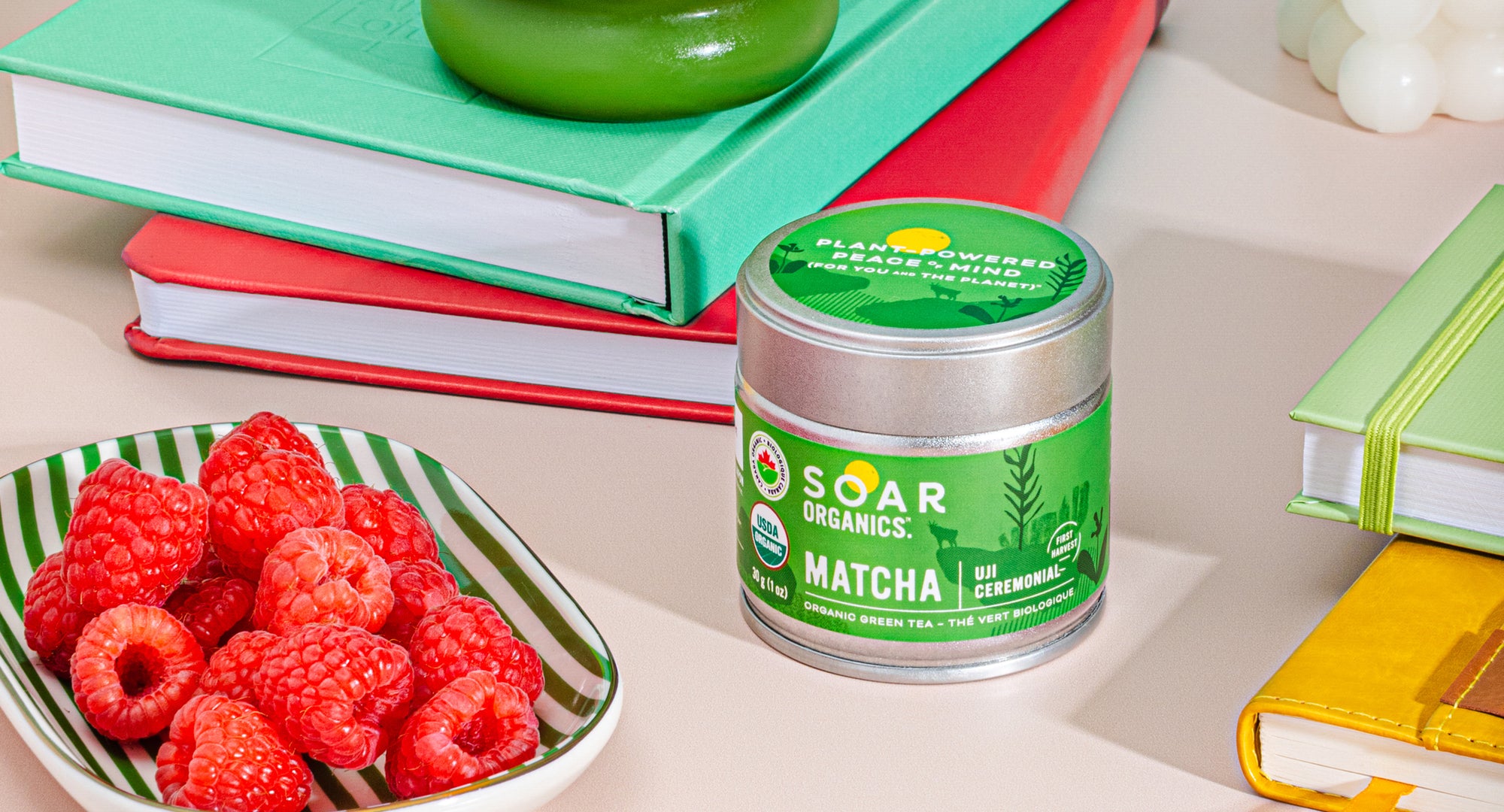
Matcha, a finely ground powder derived from shade-grown tea leaves, has gained immense popularity for its vibrant green color and myriad health benefits. However, like all perishable goods, matcha has a finite shelf life. In this guide, we will explore how long matcha lasts, the factors that influence its longevity, and practical storage tips to preserve its freshness.
Understanding Matcha’s Shelf Life
The lifespan of matcha depends on various elements, including its processing, packaging, and the environment in which it is stored. Generally, when stored correctly, matcha retains its optimal flavors and nutrients for about three to six months after opening. However, some high-quality powders, if sealed tightly and kept in the right conditions, can last up to a year or more. Conversely, lower-quality matcha may begin to degrade after just a few weeks.
Unopened Matcha
Unopened packages of matcha can last longer than their opened counterparts. Typically, commercially packaged matcha has a best-before date printed on the label, which can serve as a useful guideline. If properly stored in a cool, dark place, unopened matcha can maintain its potency for a year or more, depending on the brand and quality. Nevertheless, it’s prudent to consume it sooner to fully appreciate its distinctive flavor profile and health benefits.
Opened Matcha
Once the seal is broken, matcha’s exposure to air, moisture, and light accelerates its degradation. The once vibrant green hue may fade, and the aroma can become less pronounced. Ideally, opened matcha should be consumed within three months for optimal flavor and health benefits. Signs that matcha has gone bad include a dull color, off-putting odor, and a stale taste, indicating the loss of quality.
Factors Influencing Longevity
Several factors play a crucial role in determining how long matcha can last. The most significant include:
- Quality of Matcha: Higher-grade matcha, such as ceremonial grade, often has a more robust flavor and nutrient profile, allowing it to last longer than culinary grade matcha.
- Storage Conditions: Temperature, humidity, and light exposure directly impact freshness. Ideal storage conditions include cool, dark environments.
- Packaging: Airtight containers that protect against moisture and light transmission will significantly extend matcha’s lifespan.
Practical Storage Tips for Freshness
To maintain matcha’s quality for as long as possible, adhere to the following storage tips:
- Use an Airtight Container: Transfer your matcha powder to a clean, airtight container immediately after opening. Preferably, choose a dark glass jar or an opaque container that shields the powder from light and air exposure.
- Avoid Humidity: Store matcha in a dry environment. Humidity is a matcha enemy, as it can cause clumping and promote spoilage. Consider keeping the jar in a cupboard rather than a humid location, such as near the stove.
- Refrigeration: While some people prefer to refrigerate matcha to prolong its freshness, this is not always necessary. If you choose to refrigerate, ensure that it is well-sealed to prevent moisture absorption. Allow the matcha to reach room temperature before opening the container to prevent condensation.
- Use Within a Reasonable Timeframe: Aim to consume opened matcha within three months. If you notice any changes in color, aroma, or taste, it might be time to discard it.
Utilizing Matcha: Tips for Enjoyment
To fully appreciate matcha’s flavor and health benefits, consider experimenting with various brewing techniques. Traditional whisking with a bamboo whisk (chasen) creates a frothy, smooth beverage, while incorporating matcha into lattes or desserts can offer a delicious twist. Ensure that you use water at a temperature of approximately 160°F to avoid scorching the powder, which can negatively affect flavor.
If you find yourself with an excess of matcha nearing its expiration, contemplate using it in culinary applications. Matcha can enhance a variety of recipes, ranging from smoothies and baked goods to salad dressings, allowing you to enjoy its benefits without waste.
Conclusion
Understanding how long matcha can last and implementing thoughtful storage methods is essential for preserving its unique qualities. By being aware of the indicators of freshness and actively working to protect your powder from detrimental elements, you can savor matcha’s delightful flavor and reap its extensive health benefits for an extended period. Ultimately, the care you take with storage directly reflects in the quality of your matcha experience.