
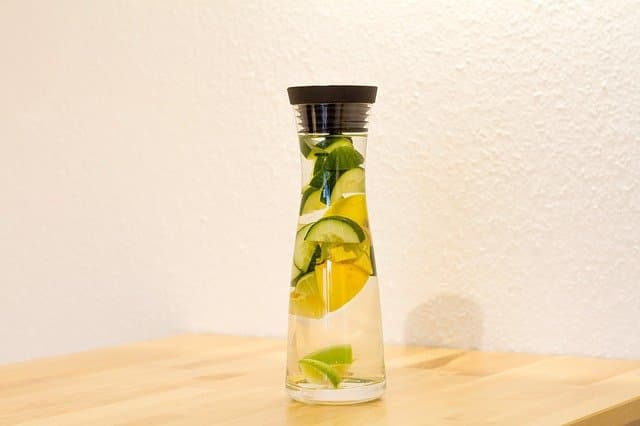
Lemon water, a concoction celebrated for its refreshing taste and myriad health benefits, often finds itself in the spotlight in culinary and wellness communities. However, as any aficionado knows, the longevity of this zesty beverage is paramount for both flavor and health. Understanding how long lemon water lasts and implementing strategies to maintain its freshness is essential.
For starters, it is vital to differentiate between homemade lemon water and store-bought variations, as their shelf lives can differ significantly. Homemade lemon water typically consists of freshly squeezed lemon juice mixed with water, while packaged lemon water may contain preservatives and additional ingredients that alter its freshness.
Homemade Lemon Water: Duration and Storage
Homemade lemon water, created by mixing fresh lemon juice with water, is at its best when consumed promptly. Generally, it can safely reside in the refrigerator for about 3 to 4 days. After this period, the quality tends to diminish as the flavor becomes less vibrant, and the water may begin to develop an unappealing murkiness.
The freshness of homemade lemon water can be influenced by several factors, including the acidity of the lemon juice, the temperature of the storage environment, and the cleanliness of the container used for storage. For optimal duration, it is advisable to store lemon water in a sealed glass container, as glass is non-reactive and ensures that the flavor is preserved.
Store-Bought Lemon Water: Analyzing Shelf Life
Store-bought lemon water can vary greatly in terms of shelf life, depending on the presence of preservatives and the packaging method used. Unopened bottles of commercial lemon water can last much longer than homemade versions, often up to several months, provided that they are stored in a cool, dry place away from direct sunlight. However, once opened, it is best consumed within 3 to 5 days for the best flavor and safety.
Always check the expiration date printed on the label and conduct a sensory evaluation before consumption. Inspecting the liquid for any signs of sediment or changes in color can be crucial in determining its freshness.
Factors Affecting Freshness
Certain variables can significantly affect how long lemon water lasts. Temperature plays a pivotal role; exposing lemon water to high temperatures can accelerate degradation. Similarly, the presence of air can lead to oxidation, turning the crisp flavor into something flat and unpalatable. Thus, it is advisable to store lemon water in airtight containers and keep it refrigerated.
The cleanliness of utensils used during preparation cannot be overlooked either. Bacteria introduced from dirty hands or containers can lead to faster spoilage. It is advantageous to always use clean utensils and containers to maximize freshness and safety.
Signs of Spoilage
It is crucial to recognize the signs of spoilage when consuming lemon water. The development of an off-putting odor or a change in the color is often indicative of spoilage. Additionally, if the water exhibits a cloudy appearance or if you notice any floating particles, discard it immediately. It is better to err on the side of caution when it comes to consuming perishable items.
Extended Freshness: Tips and Tricks
If you find yourself frequently preparing lemon water, consider adopting some strategic practices to extend its freshness. Here are a few tips:
- Freeze Lemon Juice: Squeeze fresh lemons and freeze the juice in ice cube trays. This allows for easy access to fresh lemon juice whenever desired.
- Use Whole Lemons: Storing whole lemons in the fridge can prolong their freshness, and you can easily squeeze lemon juice as needed without the accompanying deterioration of water.
- Infuse with Other Ingredients: Incorporating mint leaves or ginger can not only enhance flavor but may also add natural preservatives that contribute to the overall longevity of the drink.
Health Benefits and Safety Considerations
Lemon water is more than just a thirst-quencher; it boasts numerous health benefits, including aiding digestion, providing vitamin C, and acting as a detoxifying agent. However, it is imperative to be cautious about drinking lemon water that is past its prime, as it could harbor harmful bacteria, potentially leading to foodborne illnesses.
To ensure safety while enjoying lemon water, always be mindful of your body’s reactions. If you experience any discomfort or adverse effects after consumption, it may warrant a reassessment of your beverage preparation methods.
Conclusion
In conclusion, understanding the lifespan of lemon water is crucial for both enjoyment and safety. Whether you craft your own refreshing beverage at home or opt for a convenient store-bought variety, recognizing the factors that influence freshness can substantially enhance your experience. By adhering to best practices of storage, recognizing signs of spoilage, and incorporating smart preservation techniques, you can continue to enjoy lemon water’s tangy delight with confidence. Embrace the rejuvenating qualities of lemon water while remaining vigilant about its longevity, and dive into the myriad of flavors it can offer.