
When it comes to hydration, many individuals often reach for the convenience of bottled water. But have you ever pondered how long water can actually last when stored in a plastic bottle? The answer involves comprehension not only of the longevity of bottled water but also of the factors affecting its safety, quality, and the type of plastic used in the containers. This article will delve into these aspects, presenting you with the essential knowledge to navigate the world of bottled water safely.
Understanding the Composition of Plastic Bottles
Plastic bottles are typically composed of various types of plastics, the most common being polyethylene terephthalate (PET), high-density polyethylene (HDPE), and polyvinyl chloride (PVC). Each type of plastic has distinct properties that influence its suitability for water storage. For instance, PET bottles are lightweight, biodegradable, and resistant to impact, making them a popular choice for single-use water containers.
Expiration Dates and Bottled Water
Many consumers notice the expiration dates printed on bottled water. It’s important to clarify that these dates do not indicate the water itself will spoil. Instead, they are more relevant to the integrity of the plastic container and the manufacturer’s compliance with safety regulations. Over time, the minerals from the water may leach into the plastic, potentially impacting the taste. However, distilled or purified water can last indefinitely if stored correctly.
Storage Temperature: A Crucial Factor
Temperature plays a fundamental role in the degradation of plastic and the quality of the water. Ideally, bottled water should be stored in a cool, dry place, away from direct sunlight. UV rays can initiate the breakdown of the plastic, leading to leaching harmful substances into the water. The heat can further exacerbate this process, causing the plastic to compromise more rapidly and impairing the flavor and safety of your water.
How Long Can Water Last in a Plastic Bottle?
Under optimal conditions—meaning the bottles are kept cool and out of the sunlight—bottled water can last for about six to twelve months. However, once opened, bacteria and contaminants from the environment may enter the bottle, significantly diminishing safety and quality. Thus, it is recommended to consume opened water within a few days.
The Impact of BPA
Bisphenol A, commonly known as BPA, is a compound found in many plastics, including some water bottles. Ongoing research has raised concerns regarding BPA’s potential health effects—a possible endocrine disruptor that may interfere with hormonal functions. In response, numerous manufacturers have developed BPA-free bottles, ensuring that consumers can select safer options for hydration.
Knowing Your Bottle: Another Safety Tip
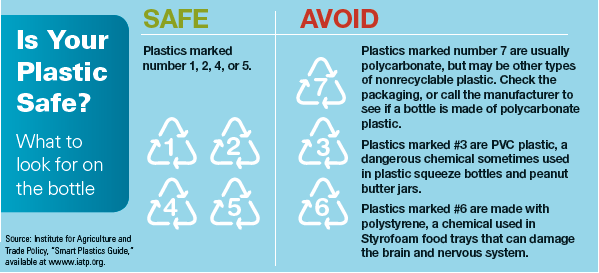
To ensure a secure drinking experience, always familiarize yourself with the recycling codes found on the bottom of the plastic containers. These codes range from one to seven and indicate the type of plastic. For bottled water, choices usually include #1 (PET) and #2 (HDPE), both of which are considered safe for single-use. Conversely, avoid plastics with recycling codes #3 (PVC), #6 (Polystyrene), and #7 (other), as they can leach harmful chemicals.
Water Quality and Taste Over Time
Even if the water is technically safe to drink past its shelf life, other factors can compromise its quality. The taste of water stored for extended periods may change as the plastic gradually permeates into the liquid. This alteration is often detectable due to the absorption of environmental odors, leading to what some describe as a “plastic” flavor. To maintain an enjoyable hydration experience, it is best to consume bottled water before the recommended expiration date.
Reusing Plastic Bottles: A Cautionary Overview
While recycling and reusing plastic water bottles can seem environmentally friendly, caution is advised. Repeated use, especially when filled with hot liquids, can increase the likelihood of chemicals leaking into the beverage. If you decide to reuse plastic bottles, it’s advisable to clean them thoroughly between uses and to limit their life span to avoid potential health risks.
Alternative Storage Solutions
For those deeply invested in sustainability and health, consider alternative water storage solutions. Glass containers, stainless steel, or BPA-free plastic pitchers can serve as durable options that deter leaching and preserve water quality over longer periods. These materials maintain a neutral flavor profile and are easier to clean, often proving to be more environmentally conscientious over time.
Conclusion: Making Informed Choices
In summary, understanding how long water lasts in plastic bottles incorporates a multitude of factors—plastic types, storage conditions, and personal safety choices. While bottled water may be convenient for on-the-go needs, being well-informed will help you make better decisions for your hydration practices. By following the provided safety tips, you can enjoy your bottled water with peace of mind, knowing you are safeguarding your health while quenching your thirst.