
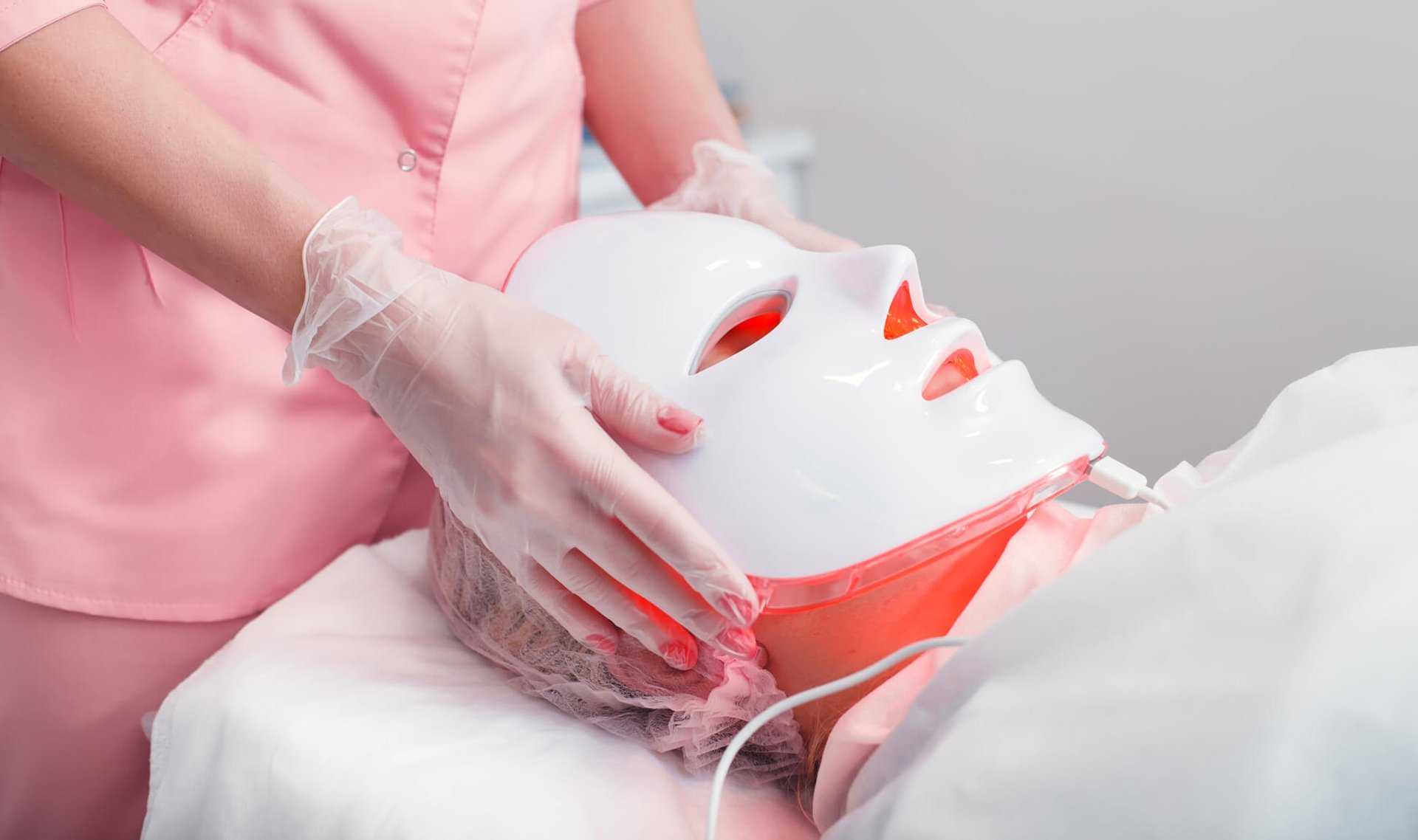
When it comes to skincare, navigating the vast sea of treatment options can be a daunting task. One innovative option that has captured the attention of beauty enthusiasts and skincare professionals alike is red light therapy. But how much does red light therapy cost, and can you budget for it without sacrificing your financial well-being? Let’s delve into the intricacies of this treatment and outline your potential expenditures.
Understanding Red Light Therapy
Before tackling the costs, it’s crucial to grasp what red light therapy entails. This non-invasive treatment employs specific wavelengths of red and near-infrared light to penetrate the skin, purportedly stimulating cellular repair, increasing blood flow, and enhancing collagen production. The allure of rejuvenated skin is tantalizing, yet, with any procedure, understanding the financial commitment is essential.
Initial Costs of Red Light Therapy
On the surface, the costs associated with red light therapy can vary significantly, influenced by factors such as location, provider expertise, and the technology employed. In professional settings—like dermatology clinics or spas—treatment sessions typically range from $25 to $150 per session. Sounds manageable, right? But here comes the challenge: How frequently are you willing to indulge in this skin-revitalizing marvel?
To achieve noticeable results, practitioners often recommend multiple sessions, commonly between 5 to 10 treatments within a few weeks. Therefore, if you’re budgeting for an extensive regimen, brace yourself for a potential expenditure of $125 to $1,500, depending on your chosen frequency and provider.
At-Home Devices: Are They a Wise Investment?
If the recurring trips to a professional seem too daunting, consider the burgeoning market of at-home red light therapy devices. These devices promise the same benefits as professional treatment but come with a one-time investment. Prices for these devices typically range from $100 to over $600. However, weigh this against the lifetime value of the device and how often you intend to incorporate it into your skincare routine.
When selecting an at-home device, pay attention to the specific wavelength it uses. Optimal wavelengths for red light therapy hover around 600 to 650 nm for red light and 800 to 850 nm for near-infrared light. Investing in inferior models might result in lackluster results—don’t let disappointment be the bane of your skin’s transformation!
Potential Add-Ons: What Else Should Be Considered?
Cost isn’t merely rooted in treatment sessions or devices. You might find yourself lured by enticing add-ons designed to maximize your red light therapy experience. From soothing masks to serums that enhance light absorption, these products can range from $20 to $200 or more. As costs add up, it’s essential to weigh the necessity of these add-ons against your specific skincare goals.
Moreover, consider the maintenance of your skin. After red light therapy, your skin may require additional hydration or protection. Investing in quality moisturizers and sunscreens may become paramount, adding even more to your skincare budget. In this scenario, the challenge lies in discerning which products truly enhance your results versus those that merely inflate your expenses.
Insurance Considerations
For many, the question on the tip of their tongue remains: “Does my insurance cover red light therapy?” This aspect can make or break your decision. As red light therapy is often deemed cosmetic, insurance plans may typically decline coverage. However, if you suffer from specific skin conditions—like psoriasis or eczema—check with your provider to see if they recognize red light therapy as a viable treatment option deserving of coverage.
Long-Term Budgeting for Red Light Therapy
If your skin’s health transformation journey involves red light therapy as a long-term commitment, it’s vital to budget accordingly. Start by setting aside a dedicated skincare fund each month. You could consider tracking your expenses to ascertain just how much you anticipate spending, including both the treatments themselves and the complementary products.
Now, let’s challenge you: Can you reduce your spending elsewhere to allow for your monthly red light therapy session? Minor adjustments—like dining out one less time or re-evaluating your cable package—could mean prioritizing your skincare goals without overextending financially.
Conclusion: Balancing Costs with Beauty Goals
Ultimately, the cost of red light therapy is a multifaceted question that stretches beyond mere dollars and cents. Whether you choose professional treatments or embark on an at-home journey, the key challenge is to align your finances with your skincare aspirations. By methodically assessing your options and anticipating your costs, you can seize that glowing complexion without jeopardizing your budget.
So, are you ready to take the leap into the captivating realm of red light therapy? Start calculating, strategizing, and embracing your skincare adventure in a way that’s both fulfilling and fiscally sound.