
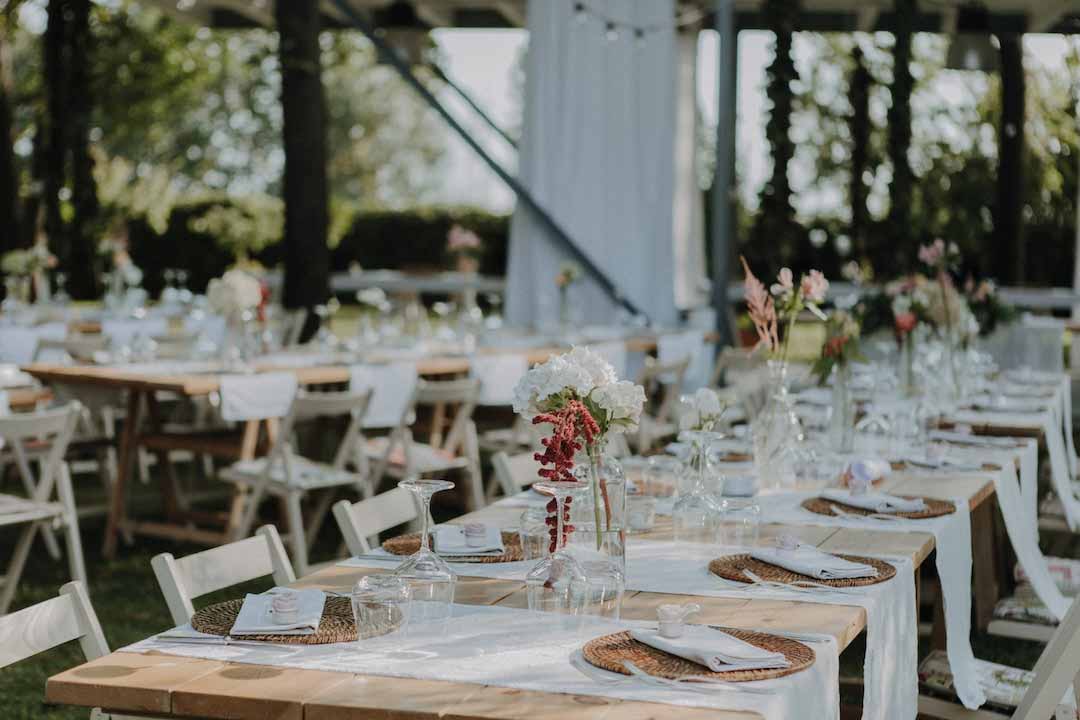
Weddings are a celebration of love, joy, and togetherness, and the arrangement of tables plays a pivotal role in creating an inviting atmosphere for guests. One crucial yet often overlooked aspect is the amount of space to leave between tables. Striking the right balance ensures comfort, accessibility, and optimal engagement among guests, allowing them to fully immerse themselves in the festivities. Here’s a comprehensive guide to help you navigate the nuanced world of table spacing at weddings.
Understanding the Importance of Space
Table spacing is more than a matter of aesthetics; it significantly influences the flow of the event. Adequate space allows guests to move comfortably without feeling cramped, fostering a convivial atmosphere where conversations can flourish. It also facilitates serving food and drinks, ensures accessibility for all attendees, especially those with mobility issues, and enhances the overall dining experience. A well-thought-out arrangement transforms a simple meal into a memorable occasion.
Standard Guidelines for Table Spacing
When planning table spacing, consider the type of seating arrangement you are using as it dictates the amount of space required between tables. For traditional round tables, a distance of 5 to 6 feet apart is advisable. This distance permits comfortable movement of chairs and allows guests to stand and mingle without obstruction.
For rectangular banquet tables, the spacing can be slightly less, around 4 to 5 feet between tables. However, if your guests will be sitting in a more clustered arrangement, you might want to allow extra room to promote social interaction. The key is to ensure that guests can easily slide their chairs back without bumping into the tables behind them.
Factors Influencing Table Spacing
Several factors can influence how much space you should leave between tables:
- Type of Event: The formality of a wedding can dictate the layout. A cocktail-style reception may require less spacing than a sit-down dinner where guests are expected to remain seated for extended periods.
- Guest Count: A larger guest list can necessitate tighter table arrangements, but compromising guest comfort isn’t wise. Prioritize guest experience over sheer numbers.
- Venue Size: Smaller venues may limit table spacing options. In such cases, consider using fewer or smaller tables to maintain comfort.
- Theme and Decor: The wedding theme can influence table arrangements. A rustic barn setting may be more forgiving with spacing than an elegant ballroom, where tighter arrangements might feel cramped under lavish decor.
Special Considerations for Accessibility
Inclusivity is paramount at any wedding. When determining table spacing, consider the needs of guests with disabilities or mobility challenges. Leaving at least 36 inches between tables can provide ample room for wheelchairs or walkers. Plan for a designated area that accommodates any special needs to ensure everyone feels valued and included.
Creating Flow and Accessibility
Beyond comfort, entertainment and accessibility should also be taken into account. Create pathways for waitstaff to glide unobtrusively between tables, ensuring that guests are not obstructed while enjoying their meals. It is also wise to consider areas where guests might congregate for dancing or other activities. These spaces should be kept clear of obstacles to encourage interaction and movement.
Utilizing Space Effectively
While adequate spacing is essential, it’s equally important to utilize the space effectively. Consider implementing a mix of table shapes and sizes to break up the monotony and create visual interest. For instance, utilizing a combination of long banquet tables and smaller round tables can lead to a dynamic arrangement that feels open and welcoming.
Moreover, consider introducing decor elements such as floral arrangements or lanterns strategically placed to draw attention and guide guests visually across the space. This can also enhance the aesthetic while ensuring clarity in paths and flow.
Feedback and Adaptation
One of the most straightforward ways to determine the ideal spacing is through versatility during the setup phase. If feasible, arrange a mock setup ahead of the big day. After setting up tables, walk through and observe the flow. Take note of areas that feel tight or congested and adjust the spacing accordingly. Gathering feedback from close friends or family during this trial run can also offer valuable insights.
Final Thoughts
Ultimately, the goal of table spacing is to foster a warm and inviting ambiance where guests can enjoy themselves freely. Whether it’s an intimate gathering or an extravagant celebration, maintaining a thoughtful balance between aesthetics and function is crucial. By carefully considering the factors that influence table spacing and planning ahead, you’ll ensure your wedding not only looks beautiful but also feels welcoming for all attendees. In the grand tapestry of your wedding day, each choice, particularly the arrangement of tables, contributes to a vibrant celebration of love.