

We hoard. We accumulate. We drown in the detritus of a culture that worships novelty while barely masking its ecological hangover. This is the silent scream of your vanity drawer, overflowing with half-used serums and lipsticks in shades you never wear. But what if that drawer—that personal landfill of unfulfilled beauty promises—could become a portal to something far more subversive? Enter the sustainable beauty swap party: a ritual that masquerades as a gathering of friends but functions as a quiet insurrection against the tyranny of overconsumption. Let’s peel back the glittering surface and examine the deeper, almost primal allure of trading what you own for what you crave.
The Ontology of the Unloved Product
Every orphaned eyeliner and abandoned moisturizer in your collection carries a story—a narrative of misplaced desire. You bought that neon eyeshadow palette because you wanted to be *that* person, the one who wears chartreuse with insouciant confidence. You never became her. This is not failure; it is the fundamental human condition of aspirational consumption. A swap party grants these objects a dignified second life. Instead of festering in a landfill for five hundred years, that palette becomes a token of exchange, a currency in a micro-economy governed not by price tags, but by mutual understanding. The deeper fascination here lies in the uncanny valley of object biography: we are not just trading products, but trading the ghosts of our former selves.
Curation as Epistemic Violence Against Chaos
A successful swap is not a free-for-all. It requires the disciplined violence of curation. Attack your own collection with the ruthlessness of a museum registrar. Establish a clear taxonomy: “Mint condition,” “Gently loved,” and “I don’t know why I bought this either.” This act of sorting is a form of cognitive decluttering that quiets the hypothalamic noise of “ooh, new!” You are teaching your brain that ownership is temporary and that value is not intrinsic to possession. Use the following rigor: no opened mascara (ocular safety is non-negotiable), no expired sunscreen (sunscreen compounds degrade, a fact most forget), and absolutely no half-used lip glosses unless you enjoy a coital exchange of bacteria. This is not prudence; it is the foundation of trust.
Alchemical Rituals of Preparation
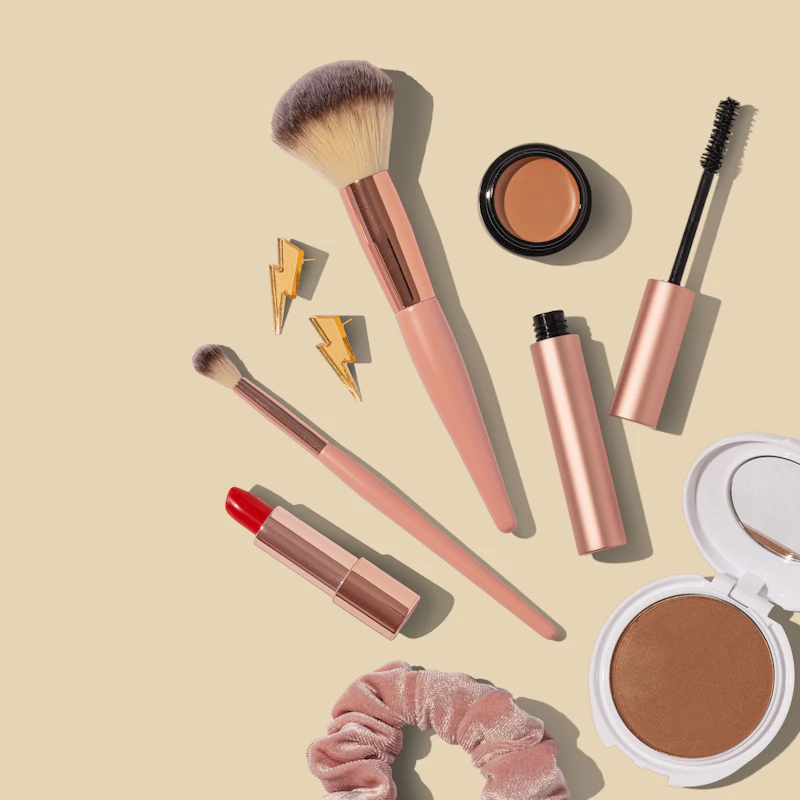
Sanitization is your sacrament. Before a single guest arrives, assemble your tools: isopropyl alcohol (70% or higher), microfiber cloths, and a spray bottle. Wipe every surface of every compact. Debride the crust from cream shadow pots. This is not mere cleaning—it is a form of material alchemy. You are transmuting the “used” into the “reborn.” I have seen guests hesitate at a slightly smudged eyeliner pencil, then swoon with relief after a thirty-second alcohol dip. The psychological barrier of “secondhand” dissolves faster than a foaming cleanser when you apply the industrial alibi of sanitation. Display your wares not in messy bins, but on a white tablecloth, arranged by category: lips, eyes, face, nails. The visual appeal of order triggers the collector’s instinct, not the bargain hunter’s frenzy.
The Dance of Perfume and Sillage
Perfumes are the most emotionally charged items at any swap. They are pure memory in liquid form—a trigger for ex-lovers, forgotten vacations, and the you that existed before your last job. I have watched a woman clutch a bottle of vintage Opium and weep. You cannot organize this chaos with a simple label. Create a “scent station” with blotter strips and coffee beans. Ask guests to spritz the strips, not their wrists. The intimacy of a personal scent worn on skin feels too violating for a swap. The blotter keeps the transaction sterile. More importantly, insist on a “one in, one out” rule for fragrances—this preserves the integrity of the olfactory archive and prevents the swap from becoming a tsunami of competing aromas.

The Currency of Narrative Exchange
Here is the secret most guides omit: the swap is not about the objects. It is about the stories. When a guest picks up a near-empty highlighter, ask her to describe its origin. “I bought this for a wedding in Tulum, but I tripped into the cenote halfway through the reception.” That story imbues the product with a value no retail price can match. Encourage this. Create a “testimony corner” where people must verbally justify why they are releasing a product. The shame of confessing “I just never used it” is replaced by the catharsis of narrative honesty. This is where the swap transcends mere recycling and becomes a therapeutic ritual of letting go. The deeper reason we are fascinated? We are starving for authenticity in a market that sells us lies. A woman’s tale of a failed vacation highlighter is more real than any ad.
The Aesthetics of Leftovers
Not everything will find a new home. Do not let the orphaned items die a second death. Designate a “orphanage table” for the truly unusable: dried-out nail polishes, shattered powders, lipsticks that have melted into a fresco of despair. These are not trash—they are raw material. Offer a DIY station where guests can mix broken eyeshadow into loose pigments, or melt down lipstick nubs into a custom tinted balm. This turns waste into wonder. I have seen a woman create a stunning bronze cream blush from the combined dregs of three forgotten palettes. The beauty of the orphanage table is that it addresses the inconvenient truth of our material legacy: some things simply cannot be traded, but they can be transformed. This is the final lesson in the ontology of beauty objects.
Aftercare and the Politics of the “New” Wardrobe
The swap ends, but the psychology lingers. When guests take their new-to-them treasures home, they must confront a delicate protocol: how to integrate a pre-owned item into a personal ethos. Advise them to display their spoils for one week before using them. Let the items sit on a vanity, unopened. This “quarantine of desire” allows the dopamine rush to fade, revealing whether the object is a genuine keeper or just a thrill. The sustainable beauty swap is not about acquiring more; it is about redistributing desire. It is a political act disguised as a social one. You are not just hosting a party—you are hosting a quiet revolution against the linear economy. And when you wake up the next morning and see your newly curated collection, you will understand: the deepest fascination with beauty has never been about the product itself. It has always been about the story we tell ourselves through the objects we choose to keep.