
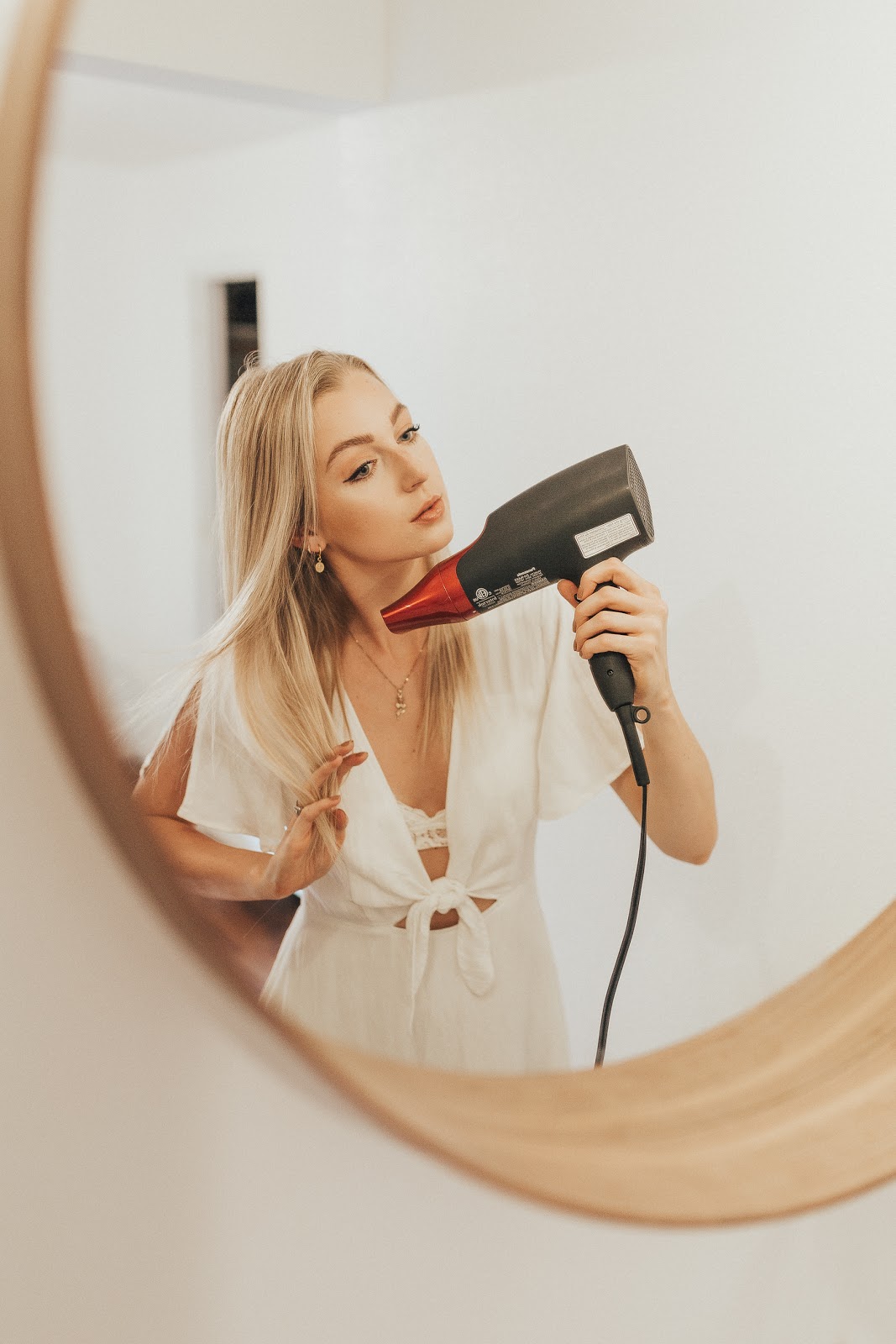
Maintaining hydrated hair is crucial for its overall health and vitality. When hair is adequately hydrated, it exhibits a host of positive characteristics that enhance its appearance and manageability. Conversely, dry and dehydrated hair can lead to a myriad of problems including split ends, brittleness, and frizz. Identifying the signs of hydrated hair and adopting effective strategies for keeping it nourished is essential for anyone seeking to achieve luscious locks. In this article, we will explore how to know if your hair is hydrated, the signs to look for, and tips for maintaining hydration.
Signs of Hydrated Hair
Recognizing healthy, hydrated hair involves an understanding of its characteristics. Here are some of the key indicators:
- Softness: Hydrated hair feels soft and smooth to the touch. It should glide through your fingers without causing friction. If your hair feels rough or brittle, it may be a sign of dehydration.
- Shine: Moisture-rich hair has a natural sheen. When your hair is hydrated, it reflects light beautifully, giving it a vibrant, lustrous appearance. Dull or lackluster hair often indicates moisture deficiency.
- Elasticity: Well-hydrated hair possesses elasticity, allowing it to stretch without breaking. To test this, take a strand of your hair and gently pull it. If it returns to its original length without snapping, it is likely well-hydrated. If it breaks easily, you may need to boost its moisture levels.
- Manageability: Hydrated hair is easier to style and comb through. If you find that your hair tangles frequently or requires excessive effort to style, it may be lacking moisture.
- Minimal Frizz: Frizz is often a byproduct of hair that is thirsty for hydration. Hydrated hair is generally more resistant to atmospheric humidity, leading to fewer flyaways and a smoother overall look.
- Absence of Split Ends: Regularly trimmed ends, while important, are not enough if the hair itself is dehydrated. Hydrated hair is less prone to split ends as it remains more resilient and less brittle.
- Comfortable Scalp: Hydration doesn’t just pertain to the hair itself; a well-hydrated scalp is equally vital. If your scalp feels tight, itchy, or flaky, it could indicate that your hair is dehydrated as well.
Understanding Hair Types and Their Hydration Needs
Different hair types exhibit varying hydration needs. Understanding your hair type—whether straight, wavy, curly, or coily—can help tailor your approach. Each type has its own moisture retention capabilities, influencing how often you need to hydrate.
- Straight Hair: This type tends to be oilier at the roots but can dry out quickly due to its structure. Using lightweight conditioners can help maintain hydration without weighing it down.
- Wavy Hair: Wavy locks often require a balance of hydration and volume. Creams and leave-in conditioners can enhance moisture while maintaining definition.
- Curly Hair: Curly hair is more prone to dryness as the natural oils have a harder time traveling down the hair shaft. Deep conditioning treatments and oils can significantly improve hydration levels.
- Coily Hair: The tight curls of coily hair can easily become parched. Frequent deep conditioning, coupled with the use of heavier oils, can help retain moisture.
Tips for Maintaining Hair Hydration
Now that we have discussed how to identify signs of hydrated hair, let’s delve into actionable tips for maintaining and improving your hair’s moisture levels:
- Regular Conditioning: Incorporate a hydrating conditioner in your hair-washing routine. Look for products that prioritize ingredients like glycerin, aloe vera, and natural oils.
- Deep Treatment Masks: Once a week or bi-weekly, use a deep conditioning mask that penetrates the hair shaft for intensive moisture replenishment. These products can vastly improve texture and manageability.
- Hydration Boosting Sprays: Keep a hydrating spray handy for quick touch-ups. These lightweight sprays can add an extra surge of moisture throughout the day.
- Limit Heat Styling: Frequent use of heat styling tools can strip the hair of its natural moisture. When utilizing these tools, always apply a heat protectant to minimize damage.
- Opt for Humidity-Resistant Products: During humid months, use products specifically designed to combat frizz while maintaining hydration. These often create a barrier to ward off excess moisture from the atmosphere.
- Stay Hydrated Yourself: Your body’s hydration levels play a significant role in hair health. Drinking an adequate amount of water daily aids in maintaining the moisture balance of your hair.
- Trim Regularly: Even with a good hydration routine, split ends can occur. Regular trims will help keep your hair looking healthy and remove any damaged ends that inhibit moisture retention.
In summary, knowing the signs of hydrated hair and understanding how to maintain it is essential for anyone desiring beautiful locks. By observing and nurturing your hair’s unique characteristics, you can cultivate an enviable mane that remains healthy and hydrated.