
Crafting your own fragrance with oils can be a whimsical adventure, transforming the ordinary act of mixing liquid into an enchanting art. The process of concocting a personalized scent is not only rewarding but also an opportunity for creative expression. With a few guidelines and ingredients at your disposal, you can embark on this playful challenge of crafting your own unique perfume. This guide will walk you through the essential steps required for the intricate art of perfume-making, showcasing techniques, tips, and recipes to ignite your olfactory imagination.
Understanding Fragrance Oils
Fragrance oils are synthetic or plant-based compounds used to create scents. Unlike essential oils, which are derived from plants, fragrance oils offer a broader spectrum of aromas, from the fruity to the musky. Familiarize yourself with the available fragrance profiles—floral, fruity, spicy, woody, and fresh scents, to name a few. The first step is to curate a collection that resonates with your personal taste. Visit local craft stores or browse online retailers to find an array of enticing fragrance oils.
The Perfume Pyramid: Construction of Scent
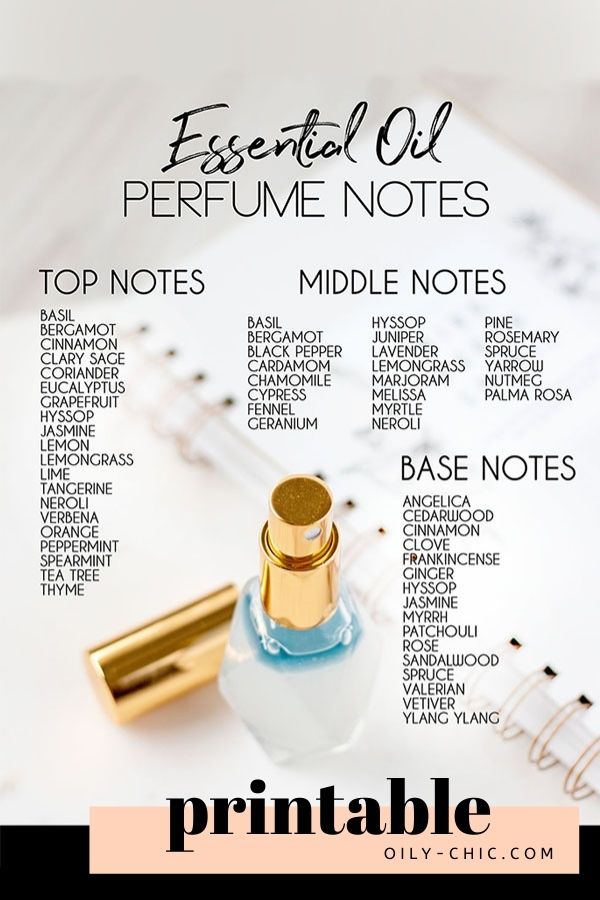
Every well-rounded perfume is structured like a pyramid, categorized into three main layers: top notes, middle notes, and base notes. Understanding these layers is paramount.
- Top Notes: The initial impression, these scents are often light and evaporate quickly. Citrus or fruity flavors, like bergamot or grapefruit, kick off the perfume experience.
- Middle Notes: Sometimes referred to as the heart of the perfume, these scents emerge once the top notes dissipate. Floral and herbal notes such as lavender or jasmine often dominate this category.
- Base Notes: The lasting foundation of the fragrance, base notes provide depth. Rich, long-lasting scents like sandalwood, vanilla, or musk are essential in giving the perfume its longevity.
Gathering Materials
The essentials to concoct your fragrance masterpiece include:
- Fragrance Oils: Choose a selection of top, middle, and base notes.
- Carrier Oil: This dilutes the fragrance oils. Jojoba oil and sweet almond oil are popular choices.
- Alcohol: A high-proof alcohol, such as vodka, can be used for a sprayable scent.
- Glass Bottles: Store your creations in tightly sealed glass bottles to prevent degradation.
- Pipettes: Helps in accurately dispensing small amounts of fragrance oil.
- Funnel: Useful for transferring mixtures into glass bottles without spills.
- Labels: To keep track of your scent experiments!
Creating Your Fragrance
Now that all your materials are assembled, it’s time to mix. Here’s a simple step-by-step guide:
- Start Small: Begin with smaller batches to hone your skills. A standard recipe could involve 15-30% fragrance oil, 70-85% carrier oil or alcohol, and a few drops of additives if desired.
- Measure Your Oils: Use pipettes to measure out your base, middle, and top notes. A recommended ratio could be 3:2:1 (base:middle:top) as a starting point. Adjust to your taste as you mix.
- Combine the Oils: In a glass bottle, combine your fragrance oils. Give it a gentle shake to encourage the elements to blend effectively.
- Add Carrier Oil or Alcohol: Slowly pour your chosen diluent into the mixture. This step will dilute the potency of the fragrance oils.
- Integrate and Mature: Seal your bottle and let your fragrance rest for at least 48 hours to allow the scents to marry. Some perfumes benefit from weeks of maturation. Patience is indeed a virtue.
Tips for Polishing Your Craft
As you delve deeper into the world of fragrance creation, consider these tips:
- Document Your Experiments: Maintain a fragrance journal. Note down the oils, ratios, and results to replicate your successes and avoid future mishaps.
- Test Often: Apply your perfumes on scent strips or skin to evaluate how they evolve over time. Remember, perfumes change as they interact with body chemistry.
- Experiment with Blending: Don’t hesitate to mix unconventional scents. You might stumble upon a remarkable combination that becomes your signature fragrance.
- Incorporate Fixatives: To improve longevity, consider adding natural fixatives such as benzoin resin or orris root powder.
- Stay Mindful of Allergens: Be aware of potential allergens in fragrance oils. Conduct patch tests to ensure compatibility with your skin.
Conclusion: Your Unique Scent Awaits
The journey of creating perfume with fragrance oil is a lovingly playful process, filled with experimentation and discovery. Embrace the challenge! Remember that your scent is an extension of your individuality, a personal signature that speaks to those around you. So gather your materials, trust your instincts, and start crafting those aromatic wonders. Who knows, the next olfactory masterpiece could be just a concoction away!