
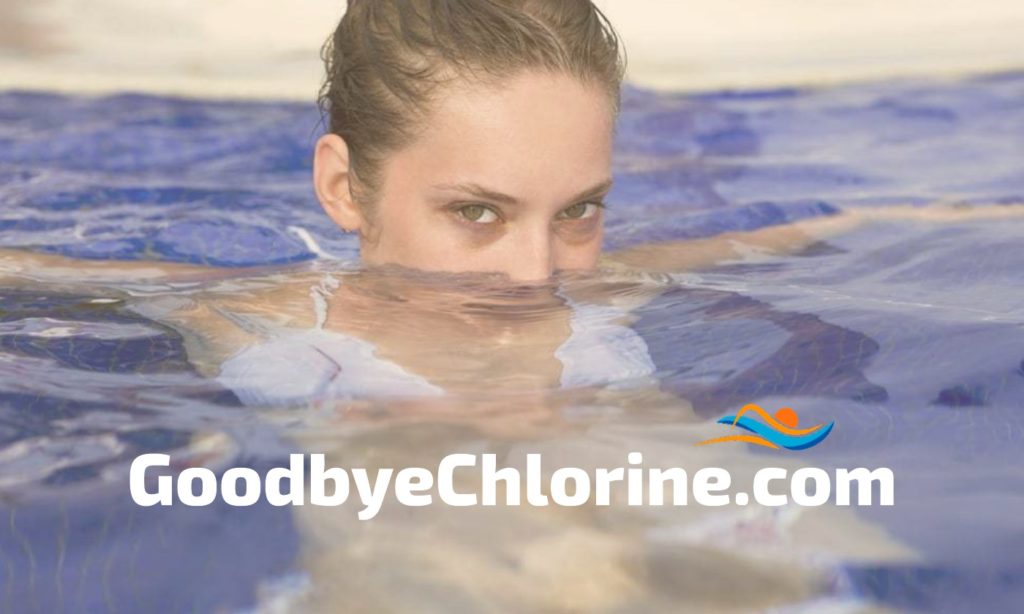
Swimming is an invigorating activity that offers a plethora of benefits for physical fitness and mental well-being. However, for those with dyed hair, the hazards of chlorine often loom ominously. Chlorine is a ubiquitous chemical used in swimming pools to sanitize water, but it can wreak havoc on dyed hair, leading to discoloration, dryness, and brittleness. This article delves into effective strategies for protecting dyed hair from the adverse effects of chlorine, ensuring that swimmers can enjoy their aquatic experiences without sacrificing hair health.
1. Pre-Swim Preparation
Before entering the pool, consider preparing your hair with a protective barrier. One effective way to do this is by saturating your hair with fresh water. Whether you opt for a shower or simply immerse your head in water, hydrating your hair beforehand minimizes chlorine absorption. Wet hair is less porous and will absorb less of the harsh chemicals found in pool water.
Additionally, applying a leave-in conditioner or a specialized swim serum can provide a protective layer. Look for products that specifically state they offer UV protection or are formulated to guard against chlorine. Ingredients such as coconut oil or silicone-based compounds are advantageous for sealing in moisture, thereby creating a barrier against chlorine’s drying effects.
2. Opt for a Swim Cap
An often-overlooked accessory in the swim arsenal is the swim cap. While it may not offer a complete shield against chlorine exposure, it significantly reduces the amount of chlorinated water that comes in contact with your hair. Swim caps are designed to fit snugly, keeping moisture and chemicals at bay. For dyed hair, opt for a silicone swim cap, which provides better sealing than latex. Moreover, not only does it serve a functional purpose, but it can also be a stylish addition to your swim gear.
3. Post-Swim Care: Rinse Immediately
Upon exiting the pool, the immediate response should be to rinse your hair thoroughly with clean water. This crucial step helps remove any residual chlorine that may linger in your hair. Use lukewarm water rather than hot, as high temperatures can exacerbate dryness. Aim to cleanse your hair and scalp, ensuring that you eliminate any remnants of pool chemicals.
4. Use Specialized Cleansers
Regular shampoos may not suffice when dealing with chlorine exposure. It is prudent to invest in a gentle, clarifying shampoo designed to remove chlorine and other impurities. Look for products containing chelating agents, such as EDTA or disodium coco-glucoside citrate, which bind to chlorine molecules, making them easier to wash away. While clarifying shampoos are effective, limit their usage to once or twice a week, as frequent application can strip essential oils from your hair.
In addition to clarifying shampoos, a hydrating deep conditioner should be utilized post-swim. A product rich in moisture-retaining ingredients, such as hyaluronic acid, shea butter, or aloe vera, aids in replenishing lost hydration and restoring vitality to your hair. Leave the conditioner in for a few minutes to maximize its effectiveness.
5. Moisturizing Treatments
Incorporating moisturizing treatments into your haircare routine is essential for swimmers with dyed hair. Weekly masks or treatments specifically formulated to combat chlorine damage can restore softness and elasticity. Consider masks containing protein, which can fortify hair structure and improve resilience against environmental stressors.
Moreover, oils can work wonders. Natural oils, such as argan oil or jojoba oil, are renowned for their nourishing properties. A few drops can be rubbed into the ends of your hair post-wash to promote shine and seal moisture. Applying these treatments overnight, under a hair wrap or in a bun, can offer intensive hydration.
6. Regular Trims
One often-neglected aspect of hair maintenance is the regular trimming of split ends. For those who swim frequently, the combination of chlorine and exposure to elements like sun and wind can exacerbate damage over time. Scheduling trims every six to eight weeks helps to eliminate damaged ends, preventing further splitting that can travel up the hair shaft and lead to more extensive damage.
7. Protect from Sun Damage
Swimming is often associated with sun exposure. The combination of chlorine and UV rays can have a cumulative effect on hair health. To shield your hair from the sun, consider employing hair products with UV filters. Wearing a wide-brimmed hat or using a scarf can also provide an additional layer of protection while lounging poolside.
8. Adjust Your Hair Color Routine
For avid swimmers, it may be wise to adjust your hair coloring schedule. Instead of waiting for the dye to fade significantly, consider touching up hair color more frequently. Doing so can help maintain vibrancy while minimizing the impact of chlorine on already chemically altered hair. Consulting with a professional stylist who understands the unique needs of swimmers can yield valuable advice tailored to your hair type and color.
Conclusion
While swimming is a delightful way to stay fit and unwind, protecting dyed hair from the harsh effects of chlorine is essential for maintaining hair health. By implementing the strategies discussed, such as pre-swim preparations, using protective accessories like swim caps, and engaging in diligent post-swim care, swimmers can enjoy their time in the water without sacrificing the integrity of their hair. Embracing a comprehensive haircare routine uniquely suited for swimmers will ensure that your hair remains vibrant, healthy, and resilient in the face of chlorine’s challenges.