
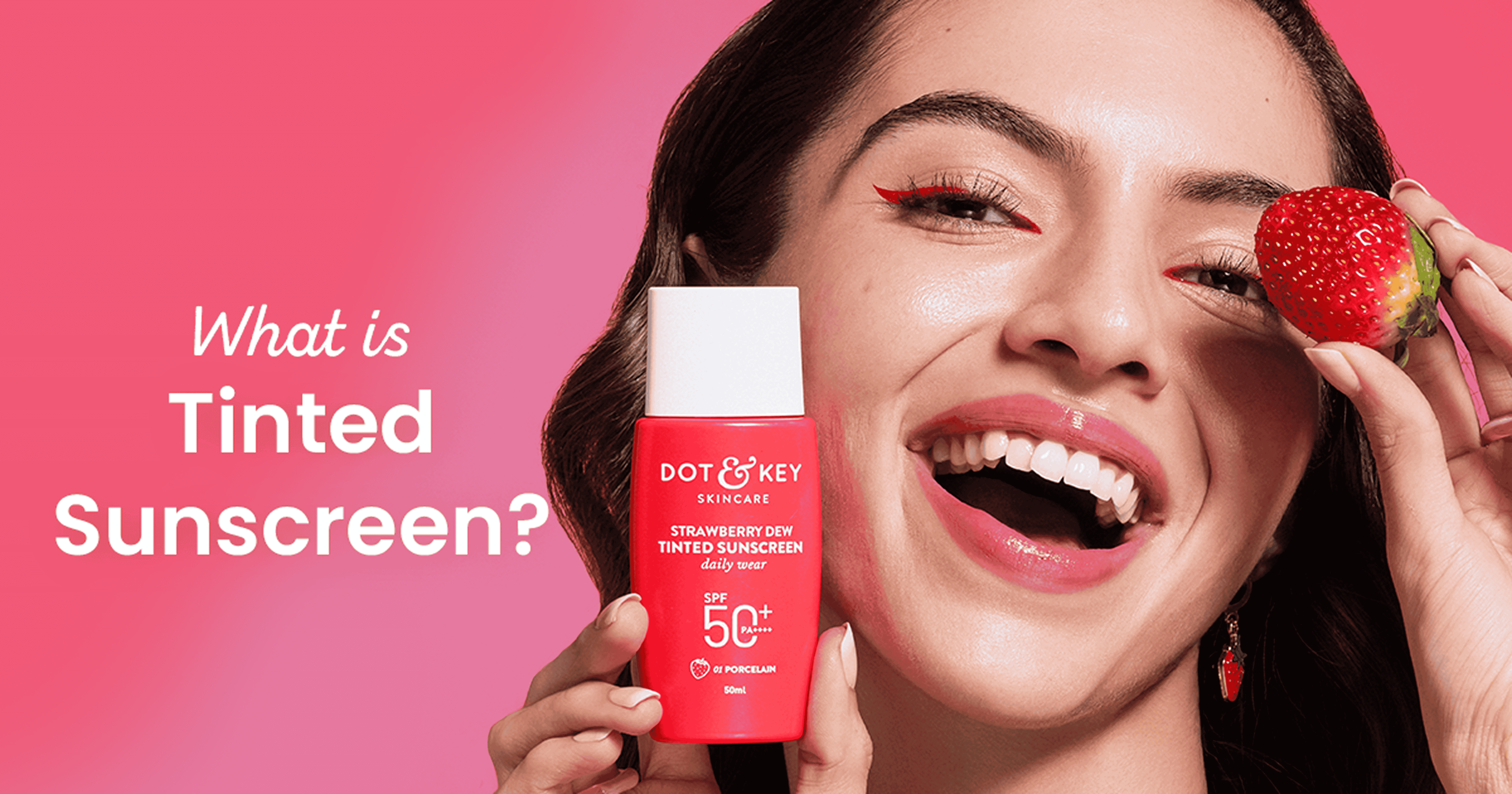
You have likely stood before your vanity, a glossy, weighty bottle of tinted sunscreen in hand, and felt the unspeakable pang of its impending emptiness. The vessel, a monument to design and expense, is almost too beautiful to discard. Its heft, its click, the whisper of its pump—these are rituals of self-deception, convincing you that you are purchasing permanence. Yet, the reservoir runs dry. The fascination with refilling such a bottle is not mere frugality; it is a quiet rebellion against planned obsolescence, a tactile engagement with the alchemy of maintenance. Here is how to perform this sacred act without desecrating the object of your devotion.
The Anatomy of a Luxury Vessel
Before you attempt to violate the pristine seal of your costly container, you must understand its architecture. Luxury tinted sunscreens are not housed in cheap squeeze tubes. They reside in apothecary-grade glass or dense, frosted acrylic, crowned with a pump mechanism so precisely calibrated it could measure the tears of a couturier. The pump is the brain. The twisting actuator, the micro-spring, the dip tube—these are not designed for reentry. Manufacturers intend for you to purchase another bottle, to feel the satisfying *thunk* of a new seal. To refill is to become a heretic against the gospel of disposability. You must learn the difference between a threaded closure and a crimped ferrule. The latter requires brute force and a quiet prayer.
Disassembly: The Violent Prelude
Do not be gentle. The pump mechanism is your adversary. Grasp the collar firmly and twist counterclockwise with a conviction that borders on arrogance. If it resists—and it will—employ a rubber grip or a towel twisted for torque. You are not breaking an object; you are liberating a soul. Once the collar separates, you will see the dip tube, a clear straw of ambition, often bent at an angle to suck the last dregs of tinted emulsion. Some brands employ a *bayonet mount* or a *snap-fit* collar. For these, you must apply lateral pressure, feeling for the hidden notch that yields access. Take a deep breath. The first disassembly is always the hardest. It is a violation of trust between you and the brand.
The Sanctity of Cleaning
You cannot pour new elixir into a sepulcher of old residue. The previous occupant, a film of oxidized sunscreen and skin cells, will corrupt the fresh batch. This is not a rinse; it is an exorcism. Fill a small bowl with isopropyl alcohol—not water, as water harbors bacteria and degrades the formula’s molecular structure. Submerge the pump mechanism, minus the dip tube. Shake it. Listen to the rattle of the internal ball bearing, which mixes the pigments. For the bottle itself, use a bottle brush with nylon bristles to scrape the inner walls of their ochre ghosts. Rinse with distilled water, then a final shot of alcohol. Allow everything to air dry inverted on a clean paper towel. Do not rush. A single drop of moisture is the enemy of longevity.
Selecting the Fluid
Here lies the paradox: you are refilling a luxury vessel, but what do you pour inside? The original formula is a proprietary suspension of zinc oxide, iron oxides, and silicone emulsifiers. A generic drugstore tint will separate, curdle, or simply sit atop your skin like a mask of shame. Seek a *compatible formulation*—a tinted sunscreen with a similar viscosity (thin, milky lotions versus thicker, creamy suspensions) and a comparable SPF rating. Look for the term *micronized* or *non-nano* on the label. If you must use a different brand, decant it first into a small beaker. Mix it with one drop of squalane or a light, non-comedogenic oil to mimic the flow of your original. This is not just refilling; it is *re-formulation*.
The Mechanics of Transfer
You require a tool of precision: a small syringe (without needle) or a reusable silicone pipette. Do not attempt to pour from a wide-mouthed jar into the narrow neck of your luxury bottle. This leads to spills, waste, and the tragic sensation of seeing your expensive goo pool on the counter. Draw the sunscreen into your syringe slowly, avoiding the introduction of air bubbles. Air is the catalyst for oxidation, which darkens the pigment and ruins that perfect, luminous glow. Insert the tip of the syringe into the bottle’s neck and depress the plunger with a steady, monastic patience. Fill only to the *bottom of the neck’s threads*. Overfilling will cause the pump to hydrolock, a mechanic’s term for a beautiful failure.
Reassembly and the Priming Rite
Reattaching the pump is an act of resurrection. Screw the collar back onto the bottle with a firm, even pressure. Do not overtighten; you are not sealing a pressure vessel. Now, the most crucial step: *priming the chamber*. Depress the pump mechanism fully, releasing a spurt of air and, eventually, a trickle of product. This may take twenty, even thirty pumps. Do not despair. The air in the dip tube must be exsanguinated. If no product emerges after forty pumps, you have introduced an airlock. Remove the pump, tap it gently on a hard surface to dislodge the bubble, and try again. Once a tiny bead of tinted cream appears at the nozzle, you have succeeded. The vessel breathes again.
Labeling and the Ethics of Longevity
You have conquered the mechanism, but you have also created a hybrid. Use a metallic Sharpie or a small label maker to note the date of refill and the SPF value of the new contents. Sunscreen degrades; it is not immortal. A refilled bottle, no matter how beautiful, cannot violate the laws of photostability. Mark your calendar for the 30-day expiration window typical of mineral sunscreens. More importantly, acknowledge the subtle defiance of your actions. You are not simply saving money. You are pushing back against a culture that sells us glass and pumps and tells us they are disposable. You have touched the inner workings of desire. You have made the eternal little more than a refillable promise.