
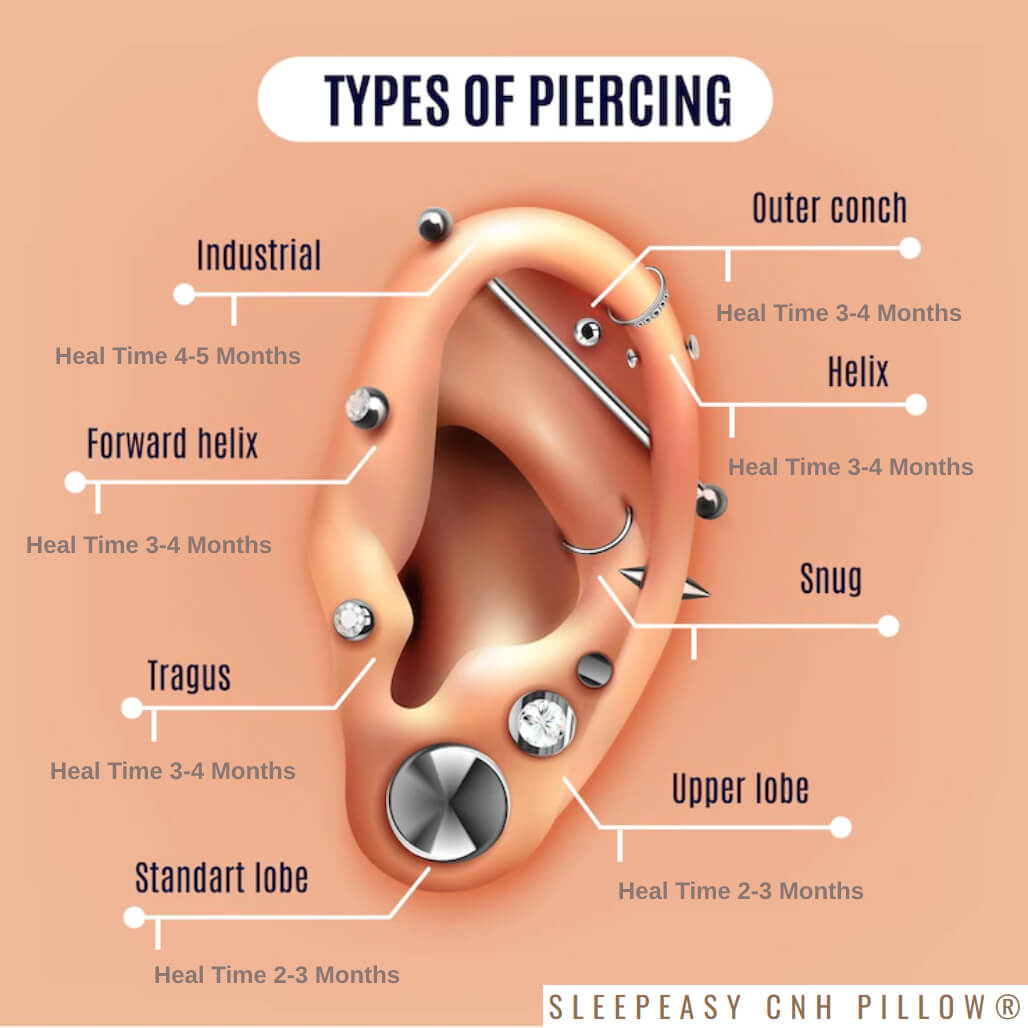
Piercings can be a stunning expression of individuality, yet they often come with their own set of challenges. If you’re finding yourself repeatedly aggravating your piercing, it’s essential to unravel the root causes and adopt effective strategies for healing quickly. This article delves into the myriad reasons why your piercing might be acting out, as well as actionable steps you can take to accelerate your healing process.
Understanding the Causes of Piercing Aggravation
There are several reasons your piercing may be becoming irritated. Here’s a closer look at the most common culprits:
- Improper Aftercare: One of the leading reasons for piercing irritation is negligence in aftercare. Whether due to forgetfulness or lack of knowledge, improper cleaning can lead to infections or prolonged healing times.
- Physical Contact: Engaging in activities that result in frequent contact with the piercing can exacerbate irritation. Headphones, hats, and even your own hair can aggravate the area, leading to inflammation.
- Jewelry Issues: The type of jewelry you choose can significantly affect your piercing’s comfort. Cheap materials, such as nickel, can cause allergic reactions, leading to redness and swelling.
- Environmental Factors: Your surroundings play a role in how your piercing heals. Dust, smoke, and pollutants can irritate the skin, complicating the healing process.
- Infections: An infection can occur if bacteria infiltrate the piercing. This may result from improper techniques during the piercing process or inadequate cleaning practices.
- Over-Manipulation: Playing with your piercing or changing jewelry too frequently can irritate the area. Even in the absence of infection, this can lead to unnecessary trauma.
Early Signs of Aggravation
Before adopting strategies to mitigate irritation, it’s crucial to identify early symptoms of aggravation. Being proactive can save you from more serious issues down the line. Signs to watch for include:
- Redness and swelling around the piercing site
- Pain or tenderness when touching the area
- Discharge that may be pus or any foul-smelling liquid
- Fever or systemic symptoms in severe cases
How to Instigate Quick Healing
If you’re facing irritation, don’t despair; there are effective ways to promote healing. Here are some crucial steps you can take:
- Maintain Excellent Hygiene: Clean the area consistently using saline solution or a specialized piercing aftercare solution. This helps to prevent the buildup of bacteria.
- Minimize Contact: Reduce the frequency of touching your piercing. When changing clothes or putting on accessories, be extra cautious to avoid snagging or pulling.
- Invest in Quality Jewelry: Opt for implant-grade titanium, surgical steel, or pure gold to minimize the risk of irritation. These materials are generally hypoallergenic and less likely to cause reactions.
- Avoid Changing Jewelry Too Soon: If your piercing is new, resist the temptation to change jewelry too quickly. Give it ample time to heal; ideally, at least six to eight weeks for initial healing.
- Stay Hydrated and Healthy: Nutrition plays a vital role in the healing process. Consuming a balanced diet rich in vitamins C and E can promote skin health.
- Use Herbal Remedies: Certain natural anti-inflammatories, such as chamomile tea bags or aloe vera, can promote healing. Apply them gently to the area, but always test a small patch of skin first.
When to Seek Professional Help
While many irritations can be managed at home, there are times when it’s essential to seek professional advice:
- If you notice excessive pus or persistent pain, consult a professional piercer or healthcare provider.
- In cases of fever or systemic symptoms, seek immediate medical attention as this may indicate a serious infection.
- If the irritation does not improve within a couple of weeks despite home care, it may be wise to consult a professional for a thorough evaluation.
Conclusion
Ultimately, caring for your piercing involves diligence, awareness, and a commitment to best practices. Understanding the causes of aggravation and implementing effective healing strategies will enable you to navigate this journey with confidence. Remember, a little patience goes a long way in ensuring that your piercing becomes a lasting part of your self-expression without the unwanted hiccups along the way. Happy healing!