
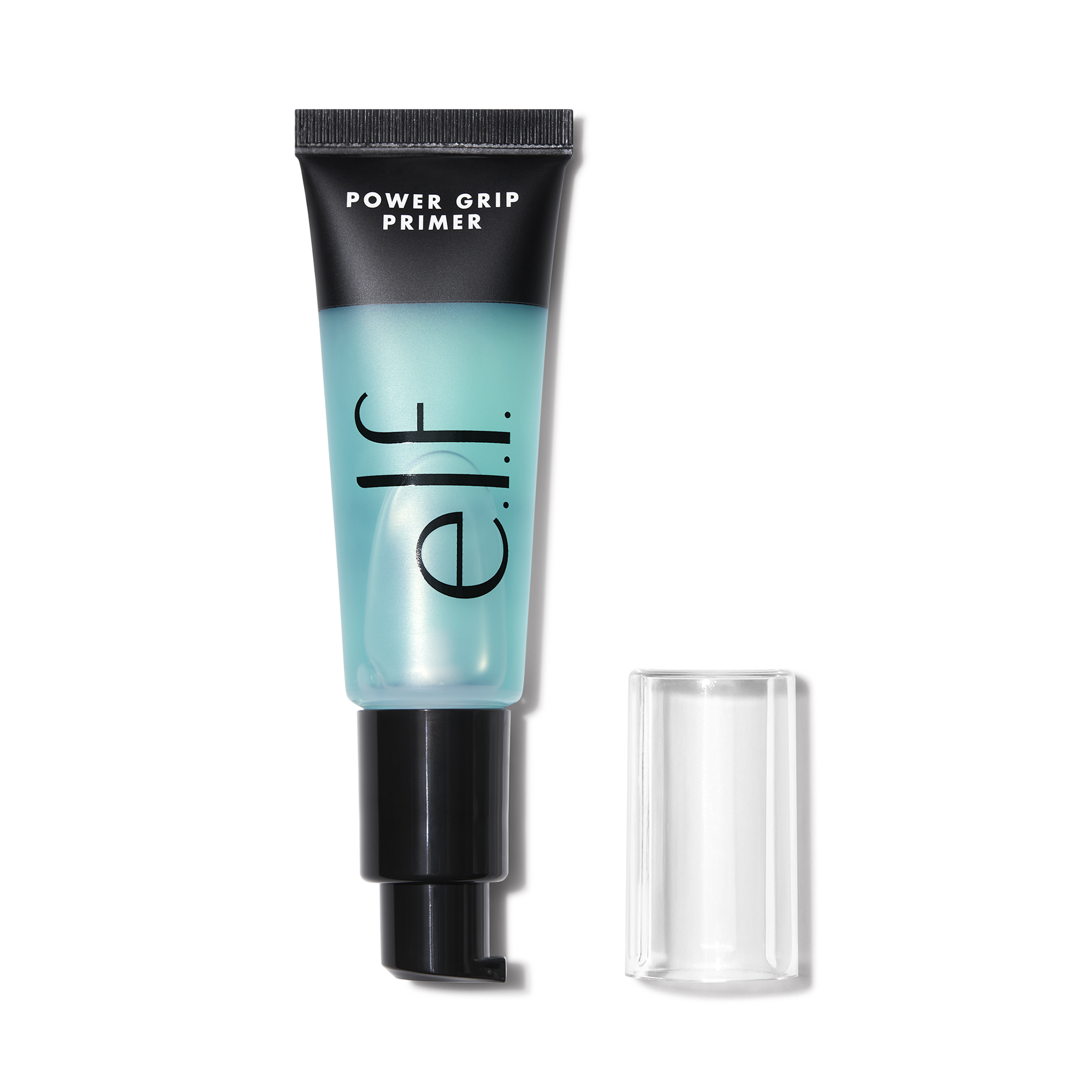
When it comes to makeup, the prime objective (pun intended) often rests on the use of primer. This subtle savior for oily skin, dry patches, and imperfections may feel like an indispensable part of your beauty routine. Cue the blend of skepticism and intrigue: Is primer bad for your skin? This query lingers in the minds of many beauty aficionados and casual users alike. To explore this concept thoroughly, let’s dissect the role of primers, the ingredients they contain, and expert insights on their application.
Understanding Primer: What Is It?
Primers are a unique category of cosmetic products designed to create a smooth canvas for makeup application. Typically, they come in various formulations—gel, cream, mousse, or spray. Their primary functions include enhancing the longevity of makeup, minimizing the appearance of pores, and providing a uniform texture to the skin. Yet, beneath this veneer of makeup magic lies a myriad of questions: What are the implications for skin health? Are these products merely superficial cover-ups, or do they intertwine seamlessly with your skin’s welfare?
The Ingredients Dilemma: What’s Inside That Tube?
One primary concern when evaluating if a product is beneficial or harmful is its ingredients. Many primers contain silicones such as dimethicone or cyclopentasiloxane, which provide a smooth application. However, for some individuals, silicones can lead to clogged pores and breakouts. Additionally, waxes and oils present in certain formulations might obstruct sweat and sebum excretion, potentially throwing your skin into a chaotic state.
Moreover, parabens and artificial fragrances can further exacerbate sensitivity in some users, leading to irritative reactions. Therefore, scrutinizing the ingredient list is crucial. If you have acne-prone or sensitive skin, opting for a silicone-free primer may be wise, as it aids in achieving a delightful finish without the risk of pore congestion.
Skin Type Matters: Tailoring Your Primer Choice
Not all primers are created equal, and the significance of skin type cannot be overstated. For those boasting dry skin, hydrating formulas that include ingredients like hyaluronic acid or glycerin can be revitalizing. They provide moisture, offering skin a supple base that is essential for flawless makeup application.
On the other end of the spectrum, individuals with oily or combination skin must consider mattifying primers that combat excess sheen. These products are infused with oil-absorbing ingredients like talc or kaolin clay, which can be beneficial yet may provoke irritation if used excessively. In this dynamic, moderation is critical; heavy-handed application of mattifying products can signal your skin to go into overdrive, producing more oil than before.
The Application Process: Technique Is Everything
Using primer appropriately can mitigate potential harmful effects. Over-application can suffocate the skin, inhibiting its natural processes. Applying a pea-sized amount with gentle strokes can enhance results while keeping your skin in check. While it can be tempting to ‘cake on’ products for a more polished finish, moderation transcends into a realm of improved skin health.
Dermatologist Insights: Experts Speak Up
Skincare professionals often suggest that the fear of primers is unwarranted when used judiciously. According to dermatologists, skin tolerability hinges on individual components. Some primers are indeed designed for sensitive skin types, featuring gentle, skin-friendly ingredients. If minimalism is your mantra, a good practice is to choose primers without irritating additives.
However, for those struggling with chronic skin afflictions like eczema or rosacea, it’s advisable to consult a dermatologist before integrating any new product into your regimen. Understanding your skin’s unique temperamental nature can aid in making more informed choices, fostering a fruitful relationship with makeup.
Long-term Effects: Beauty or Burden?
Thinking long-term, one must ponder whether the fleeting perks of these products outweigh potential drawbacks. While the transformative power of a good primer is undeniable—smooth skin, extended wear, and a flawless facade—over time, consistent use of non-comedogenic formulas is paramount for ensuring skin health. By prioritizing products that allow your skin to breathe while still achieving a polished look, you are setting the stage for a harmonious blend of skincare and cosmetic applications.
The Bottom Line: Is Primer Bad for Your Skin?
The answer isn’t straightforward. For some, primers can be the ultimate solution, an ally in the quest for radiant skin unmarred by imperfections. For others, they can introduce challenges that overshadow intended benefits. Ultimately, the verdict rests on product ingredients, application techniques, and individual skin types. Are you ready to probe the depths of your personal beauty arsenal?
To wrap it up, navigating the world of face primers need not be daunting. Empower yourself with knowledge, embrace trial and error, and celebrate your skin’s unique resilience. All things considered, the challenge lies in discerning which products elevate your confidence without compromising the health of your skin. It’s a fine balance—one that every beauty lover can master with a bit of vigilance!