
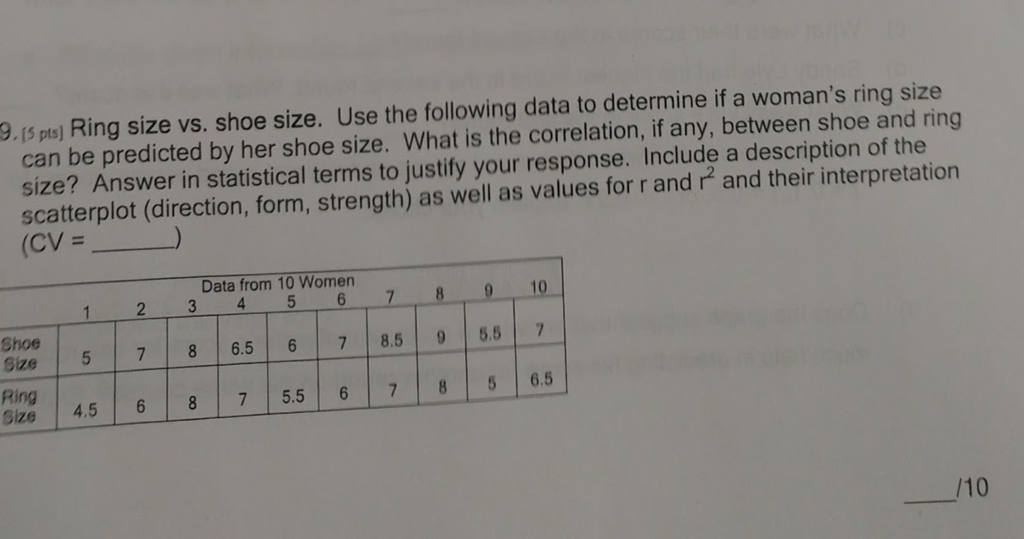
Shoe size and ring size have long been subjects of curiosity and speculation. Many people wonder if there’s a correlation between the two measurements, often assuming a direct relationship. However, while there are anecdotal claims suggesting that one’s shoe size might offer a clue to their ring size, the reality is more intricate.
Understanding the anatomy of both shoes and rings is essential. Shoes are designed to accommodate the foot’s length and width, taking into consideration its arch, whereas rings encircle the finger, requiring different measurements. The nuance lies in the fact that shoe sizes, which can vary significantly across brands and styles, do not translate uniformly into ring sizes.
Ring sizes are measured by the circumference of the finger, which means that factors such as the shape of the finger, the thickness of the band, and even personal preference can alter one’s ideal size. Therefore, while individuals with larger feet might logically presume larger fingers, this is not universally true. The proportions of one’s hands and feet are not always proportional; they can differ greatly from person to person.
When navigating the relationship between shoe size and ring size, several important considerations emerge. Firstly, variations across different regions and manufacturers in size charts complicate the comparison. For example, a size 8 shoe in one brand may have a different foot measurement than a size 8 in another. The same applies to rings; a size 7 ring from one jeweler might not fit the same as a size 7 from another due to differing scale standards. This discrepancy highlights why assumptions based solely on shoe size may lead to inaccuracies.
Moreover, the types of shoes also play an integral role in size determination. Athletic shoes, high heels, and casual sneakers can each possess distinct sizing characteristics. High-heeled shoes often require the wearer to balance on a narrower base, which might result in a tighter fit overall. This can affect how one perceives their shoe size compared to their actual foot measurements. In contrast, rings, especially statement pieces, can be designed in various styles that may not correspond directly with traditional sizing.
Furthermore, finger size can fluctuate due to several factors, including temperature, diet, and activity level. Cold weather might cause fingers to shrink slightly, while warm conditions can lead to swelling. This variability underscores the precarious nature of relying solely on comparisons between shoe and ring sizes over time.
For those seeking to purchase a ring but unsure of their size, there are several practical options available. A professional jeweler can conduct precise measurements, providing an accurate sizing based on actual finger dimensions. Alternatively, one can use ring sizers—simple tools designed to be worn on the finger to determine the correct size. Many jewelers even offer printable sizing guides, allowing individuals to gauge their measurement from the comfort of home. Using these methods ensures a more triumphant outcome than relying on a general correlation with shoe size.
Another aspect to consider is the impact of lifestyle on ring size. Individuals involved in frequent physical activities or those whose hands experience regular swelling may find that their ring size varies throughout the day. Athletes and manual workers, for instance, may require non-standard sizing options or comfort-fit designs that account for these fluctuations.
As jewelry trends evolve, alterations in design and materials have also influenced how rings are sized and perceived. The popularity of broader bands or intricate designs may necessitate sizing adjustments. Wider rings tend to fit differently than thin bands, meaning that careful consideration of the width can significantly affect how a ring feels on the finger.
Moreover, custom-made rings present another layer of complexity, allowing for personalized adjustments to enhance comfort and aesthetics. This customization underscores a broader trend towards bespoke jewelry, where individuals can tailor pieces not just to their style preferences but also to their unique measurements. As a result, focusing on individual measurement rather than generic comparisons can yield more satisfactory outcomes.
In conclusion, while it might be tempting to draw a link between shoe size and ring size based on superficial observations, the underlying complexities render such comparisons unreliable. Factors such as regional size variations, type of shoe, lifestyle impact, and the evolving nature of jewelry all contribute to a larger picture that emphasizes the importance of accurate measurement.
Individuals should approach the question of ring size with a keen focus on their own unique dimensions rather than leaning on the generalized notion of shoe size equivalency. By understanding the nuances of these measurements, consumers can make informed decisions when purchasing rings, ensuring a fit that is not only comfortable but also reflective of their individuality.