
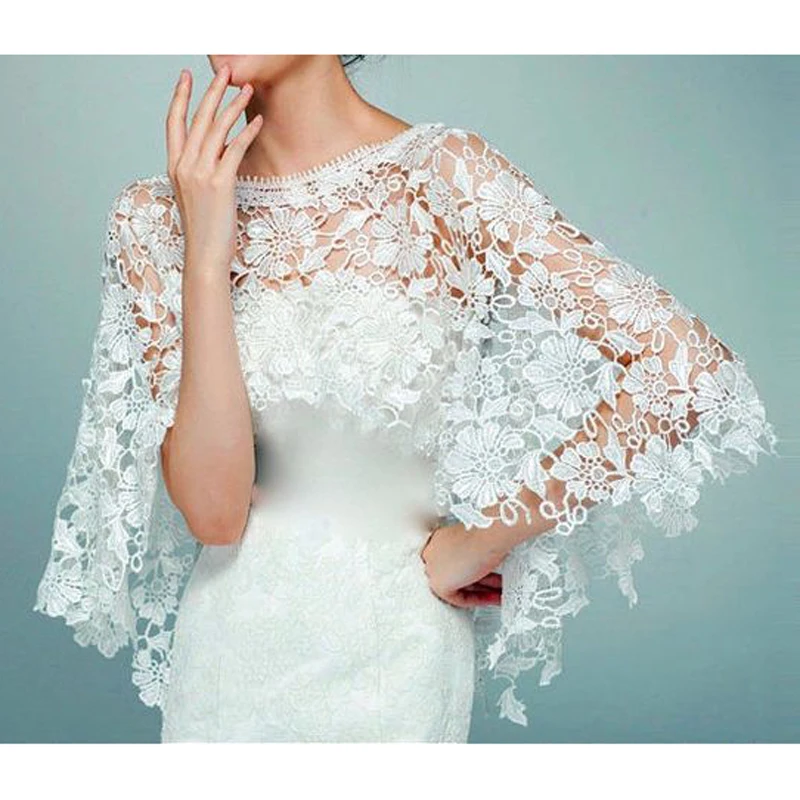
A wedding day is one of the most important occasions in a person’s life. As brides envision their perfect gown, another element that often comes into play is the lace bolero jacket. This elegant layering piece can transform a simple dress into a breathtaking ensemble while addressing practical concerns, such as coverage in various venues and seasons. Herein, we delve into the multifaceted dimensions of lace bolero jackets for wedding dresses, including styling tips, fabric considerations, and their historical significance.
1. The Purpose of a Lace Bolero Jacket
Lace bolero jackets serve multiple purposes. They provide modesty, warmth, and sophistication. Many brides opt for a bolero to add a layer of elegance, which can be particularly useful in church ceremonies or formal receptions where a degree of coverage is expected. Furthermore, boleros can enrich the overall aesthetic of the gown, offering an eye-catching juxtaposition of textures.
2. Choosing the Right Style
When selecting a bolero, it is essential to consider several styles that complement your wedding attire. Here are a few popular options:
- Cap Sleeve Bolero: Ideal for sleeveless dresses, a cap sleeve bolero elegantly covers the shoulders. This style is particularly flattering and keeps the emphasis on the gown while providing a touch of grace.
- Three-Quarter Sleeve Bolero: A classic choice, the three-quarter sleeve bolero is versatile enough for most body types. This option is particularly suitable for both spring and autumn weddings, adding warmth without being overly restrictive.
- Long-Sleeve Bolero: A long-sleeved lace jacket provides exceptional coverage and is perfect for winter weddings. It gives a regal flair and pairs beautifully with more dramatic aesthetics.
- Cropped Bolero: Cropped styles emphasize the waist and can lend a modern twist to traditional wedding attire. This option works wonderfully for brides who wish to showcase their bridal gown’s intricate details.
3. Fabric Considerations
The fabric choice for a lace bolero is crucial for both comfort and visual effect. Lace itself comes in numerous varieties, each presenting unique characteristics:
- Chantilly Lace: Renowned for its delicate floral patterns, Chantilly lace is lightweight and soft against the skin. It adds a romantic quality to your bridal wear.
- Venise Lace: Also known as guipure lace, Venise is heavier and often features intricate designs. Its sturdiness makes it suitable for creating structured boleros that hold their shape beautifully.
- Alençon Lace: This lace, with its embroidered floral patterns, offers a more opulent appearance. It can elevate a simple gown, creating a luxurious and timeless silhouette.
When choosing a fabric, consider the season and venue of your wedding. Lightweight options are ideal for summer ceremonies, while denser fabrics provide warmth and sophistication for cooler climates.
4. Color Coordination
While traditional white and ivory boleros remain popular, brides are increasingly embracing colored lace jackets as a means to showcase individuality. A bolero in a soft pastel, deep jewel, or even metallic hue can create striking contrasts against a white gown. Consider your wedding color palette when making this decision, ensuring that the bolero enhances rather than distracts from your overall look.
5. Accessorizing Your Bolero
Once you have selected your lace bolero, accessorizing it becomes crucial for a cohesive look. Here are some key elements to consider:
- Jewelry: Opt for understated jewelry pieces to ensure the bolero remains the focal point. A simple pair of drop earrings can enhance elegance without overwhelming the outfit.
- Hairpieces: Complement the lace texture with floral hairpins or delicate veils. These can harmonize the entire ensemble, maintaining the balance between modern and traditional aesthetics.
- Footwear: Choose shoes that reflect the lace bolero’s style. Classic heels or embellished flats can seamlessly tie in the entire look.
6. Layering with Other Garments
For brides who seek versatility, layering a lace bolero over other garments can provide an option to change looks throughout the day. During the ceremony, the bolero can enhance the ceremonial gown, while at the reception, it could be removed to reveal a simpler silhouette. Additionally, pairing the bolero with a statement belt can exempt the need for further accessorizing, providing a chic yet understated version of the bridal outfit.
7. Historical Perspective
The usage of lace boleros in bridal fashion is steeped in changing cultural attitudes towards dress and personal expression. Historically, boleros have roots in Spanish fashion, signifying grace and femininity. Their evolution has led to the contemporary interpretations seen today, where they serve as a bridge between tradition and modernity, allowing brides to craft unique narratives around their wedding day.
8. Final Thoughts
In summary, a lace bolero jacket can significantly enhance the aesthetic and practicality of a wedding dress. By considering factors such as style, fabric, color, and accessories, brides can create a look that resonates with their personal vision. As such, the lace bolero is more than mere attire; it is an extension of the bride’s individuality on one of the most memorable days of her life.