
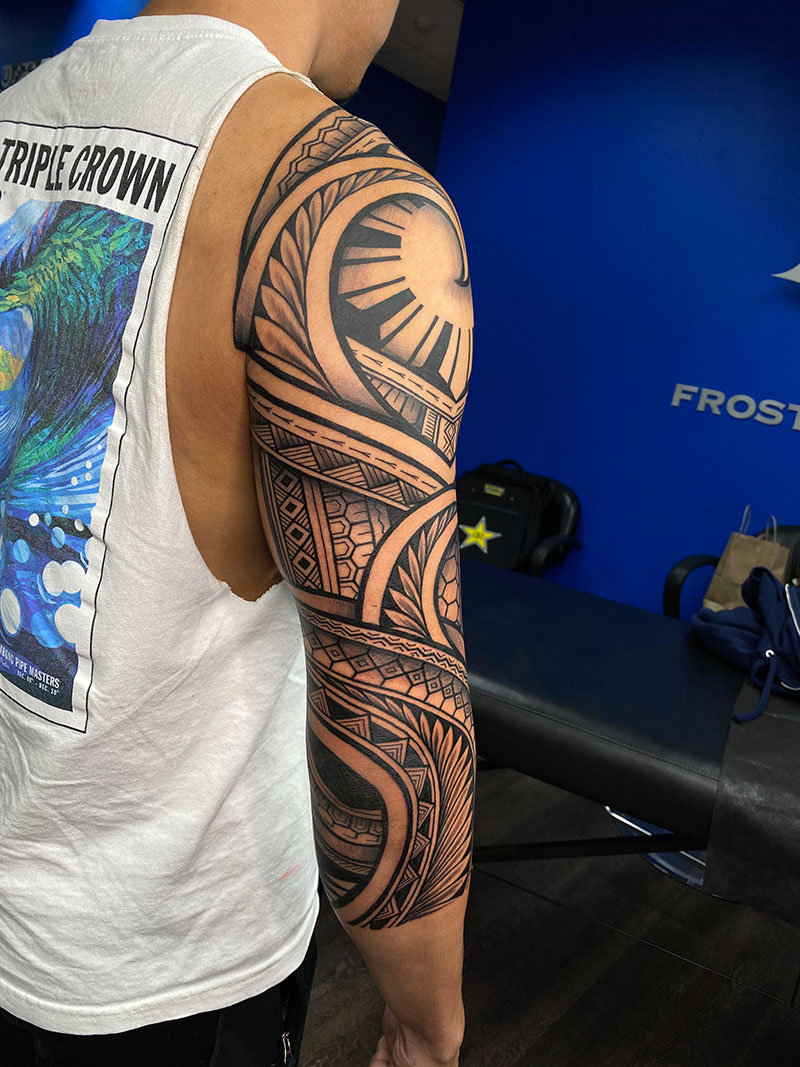
The allure of tattoo art extends far beyond mere aesthetics; it encapsulates traditions, stories, and identities. In the Philippines, the ancient practice of Mambabatok tattooing serves as a compelling testament to this cultural tapestry. Known for its intricate designs and profound meanings, Mambabatok is not merely a form of body art. It is a ritualistic expression rooted in the rich heritage of the Cordillera region. This article delves into the significance, history, and contemporary relevance of Mambabatok tattoo designs.
At first glance, Mambabatok may appear to be just another trendy tattoo fad. However, an invitation to explore its deeper meanings can unveil a tapestry woven with ancestral narratives. Utilizing the traditional hand-tapping technique, the Mambabatok creates tattoos that tell stories of lineage, bravery, and spiritual beliefs. Each design is not only aesthetically remarkable but also conveys cultural narratives that have been handed down through generations.
To fully appreciate Mambabatok tattoo designs, one must first understand the indigenous practice itself. Originating from the Kalinga tribe, Mambabatok refers to the tattoo artist who practices the craft. Historically, the Mambabatok would tattoo warriors to commemorate victories, indicating valor and status. Tattoos served as badges of honor, symbolizing resilience and strength. Each design encompasses not just individual tales but collective histories, creating an intricate connection between personal experiences and communal identity.
The process of tattooing, performed with a thorn and ink derived from natural elements, transforms skin into a canvas of powerful stories. The inking process can be arduous, involving substantial pain. Yet, it is this discomfort that paradoxically enhances the value of the experience, linking the recipient to their ancestry. Each flick of the thorn signifies a profound tribute to the past, making the journey as vital as the destination.
Diving deeper into the designs themselves reveals a diverse array of symbols and motifs. Common elements include animal representations, geometric patterns, and nature-inspired motifs. Each symbol possesses specific meanings; for instance, snakes may symbolize fertility or renewal, while birds can signify freedom and flight. Geometric patterns often embody the interconnectedness of life and the universe, illustrating a harmonious relationship with nature.
Moreover, the practice of Mambabatok is inherently tied to the spiritual beliefs of the Cordillera people. Tattoos are considered protective charms, believed to bestow blessings and ward off malevolent spirits. Engaging with the natural environment is foundational to the philosophy underpinning these designs. The connection to nature is palpable; Mambabatok is less about individualism and more an acknowledgment of the larger ecosystem in which one exists.
Another critical aspect of Mambabatok is the role of the community. There is a communal aspect to the tattooing ceremony. Family and friends often gather to witness and participate in the event, reinforcing communal ties and collective identity. The act of tattooing thus becomes a rite of passage, marking significant milestones such as adulthood, marriage, or achievements in one’s life.
In recent years, there has been a resurgence of interest in indigenous tattoos among younger Filipinos, prompted by a broader global fascination with tattoo culture. This revival raises essential questions about cultural appropriation and the commodification of traditional art forms. While many seek to reconnect with their heritage, it is crucial to honor the Mambabatok’s tradition without diluting its significance or exploiting its symbolism for commercial gain.
Today, Mambabatok stands at a crossroads. The traditional practice has garnered international attention, leading to a new wave of practitioners who seek to preserve the art while adapting it to contemporary contexts. The revival of this ancient craft serves not only as a means of personal expression but also as a method of cultural preservation.
The tattoo is not merely a design that adorns the skin; it serves as a poignant reminder of one’s heritage. It invites reflection on the complexities of identity and belonging. As you contemplate a Mambabatok tattoo, consider the stories it carries—the sacrifices, struggles, and triumphs etched into its very being. It poses a challenge: are you ready to engage with this art form meaningfully, recognizing the layers of history and narrative ingrained in each stroke?
The rich cultural tapestry woven through Mambabatok tattoo designs invites a reconsideration of what it means to wear art on one’s body. It transcends superficiality, beckoning individuals to act as custodians of cultural heritage. In a world increasingly focused on individualism, the Mambabatok tattoo stands as a reminder of the strength found in community, tradition, and the stories that shape our identities.
For those contemplating a Mambabatok tattoo, it encourages a profound introspection about personal history and cultural belonging. Are you prepared to honor these narratives and wear your story with pride? The challenge lies in immersing yourself in this rich tradition and respecting the artistry that has endured through the ages. In doing so, you not only celebrate your individuality but also contribute to the eternal lineage of ancestral storytelling that these tattoos encapsulate.
In conclusion, Mambabatok tattoo designs are far more than mere decoration; they are carriers of history, spirituality, and identity. To engage with this art form is to enter into a dialogue with the past, present, and future. Whether you are considering getting a tattoo or simply appreciating the artistry, take a moment to understand the depth and significance behind these remarkable creations. It is a journey that promises enlightenment through the intricate etchings of tradition.