
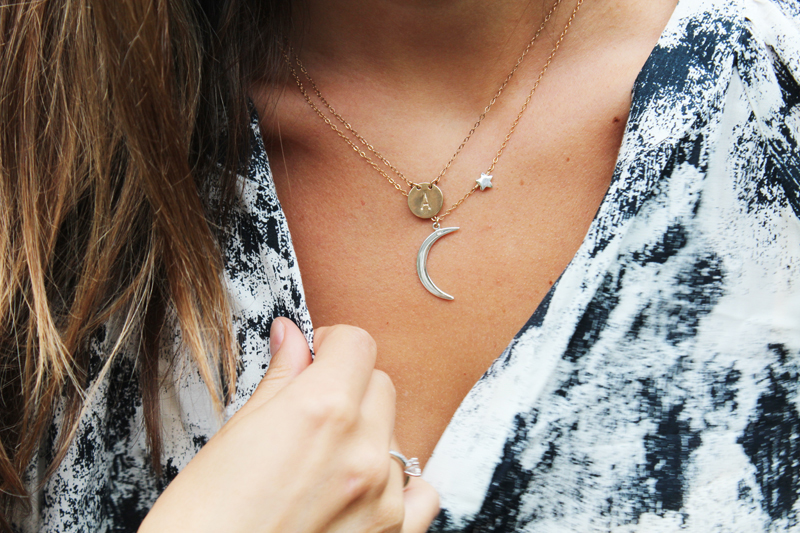
Mixing silver and gold jewelry can evoke a sense of modern sophistication while preserving timeless charm. However, this aesthetic endeavor is not without its challenges. As textures and tones collide, the intricate balance of elegance and discord must be navigated with care. This article delves into the art of combining these two hue families to achieve a cohesive and stylish look.
Understanding the Basics: The Color Palette
Gold exudes warmth and opulence, while silver often imparts a feeling of coolness and refinement. When these metals are paired, they offer an enticing contrast. The key lies in understanding these inherent characteristics. Gold jewelry, available in hues ranging from yellow to rose, can complement silver’s sleekness if chosen wisely. Begin by identifying which variations of gold resonate best with your silver pieces, as the marriage of tones can either elevate your ensemble or lead it astray.
Establishing a Base: Choose a Dominant Metal
To achieve seamless integration of both metals, it is prudent to select one as the dominant element in your jewelry composition. This foundational choice will guide your subsequent selections. If opting for gold as the primary focus, consider incorporating silver accents. On the contrary, if silver takes precedence, use gold sparingly, ensuring each piece retains its individuality while contributing to the overall aesthetic.
Classic choices often lean toward using gold as the statement piece, given its warm allure that naturally draws attention. However, a contemporary flair can just as easily arise from silver’s understated elegance. Choose wisely, as the dominant metal sets the tone for how both the colors will interact.
Layering Techniques: The Art of Stackable Jewelry
Layering offers an exquisite opportunity to meld silver and gold through carefully curated combinations. When stacking bracelets or anklets, the interplay of textures becomes vital. Mixing cuff and chain styles, or contrasting polished finishes with a matte surface, can add depth to your layered look. Pay attention to the widths of each piece, as balance is crucial in achieving harmony.
For necklaces, consider varying lengths and incorporating pendants that emphasize both metals. A gold pendant on a silver chain can unify the two while drawing the eye toward its focal point. The layering method facilitates easy adaptation, allowing one to shift styles between casual and formal settings.
Textural Considerations: Emphasizing Contrast
Texture plays a significant role in the successful amalgamation of silver and gold. Jewelry that exhibits mixed finishes—such as brushed gold against polished silver—creates more visual interest. Emphasizing textures can also serve to underscore the individual characteristics of each metal. A hammered gold ring paired with sleek silver bands can reveal the beauty of contrast without compromising on sophistication.
Mixing Styles: Eclecticism Over Uniformity
Veering away from a uniform look encourages creativity in your jewelry combinations. Gypsy-inspired styles may blend effortlessly with Art Deco pieces, showcasing an excellent opportunity for silver and gold to coexist. Embrace the eclectic nature of your collection, combining ornate designs with minimalistic counterparts.
For instance, juxtaposing a detailed vintage cuff bracelet with a delicate modern chain embodies an eclectic spirit that allows your jewelry to tell a story rather than adhere to a singular theme. Such imaginative freedom is both refreshing and empowers individuality.
Statement Pieces: Focal Points in Mixing
Rather than subjugating your jewelry choices to whisper their existence, allowing one bold piece to take center stage elevates the entire look. Select a statement piece, such as an ornate necklace or an eye-catching ring that prominently features both metals. Surround this piece with subtler jewels in the complementary tones, ensuring the focal point remains vibrant and unapologetic.
Owning a statement piece can transform an outfit from mundane to memorable. When wearing a gold statement necklace, for example, consider adorned ear cuffs or small silver earrings that draw attention to your neckline without overshadowing the primary piece.
Occasions Matter: Dressing for Context
Context is paramount in determining how to mix silver and gold. Casual outings may offer greater freedom to experiment with bold combinations, while formal events often necessitate a more restrained approach. At a wedding, for instance, incorporating delicate silver and gold rings alongside an ornate bracelet can exude sophistication without overshadowing the apparel. In casual settings, however, one may lean into layered silver and gold statement necklaces to project a breezy, effortless vibe.
Ultimately, your choices should vary according to the event while remaining true to your personal style. Understanding when to highlight the allure of your mixed metal combinations will enhance your confidence and overall attire.
Personal Expression: Finding Your Unique Style
Much like fashion, the essence of mixing silver and gold jewelry is profoundly personal. While guidelines offer direction, the ultimate expression of style comes from personal preferences and comfort. Allow your unique combinations to reflect who you are, embracing the nuances of your aesthetic identity. Experiment with various pairings until you find combinations that strike a chord with your sensibilities.
In conclusion, the art of mixing silver and gold jewelry is one of balance and individual expression. By selecting a dominant metal, layering thoughtfully, and paying attention to textures and styles, you can create a compelling look that captures the intricate dialogue between these two timeless materials. Remember, the goal is not merely to combine; rather, it is to express a sense of harmony that resonates uniquely with your essence. Happy styling!