
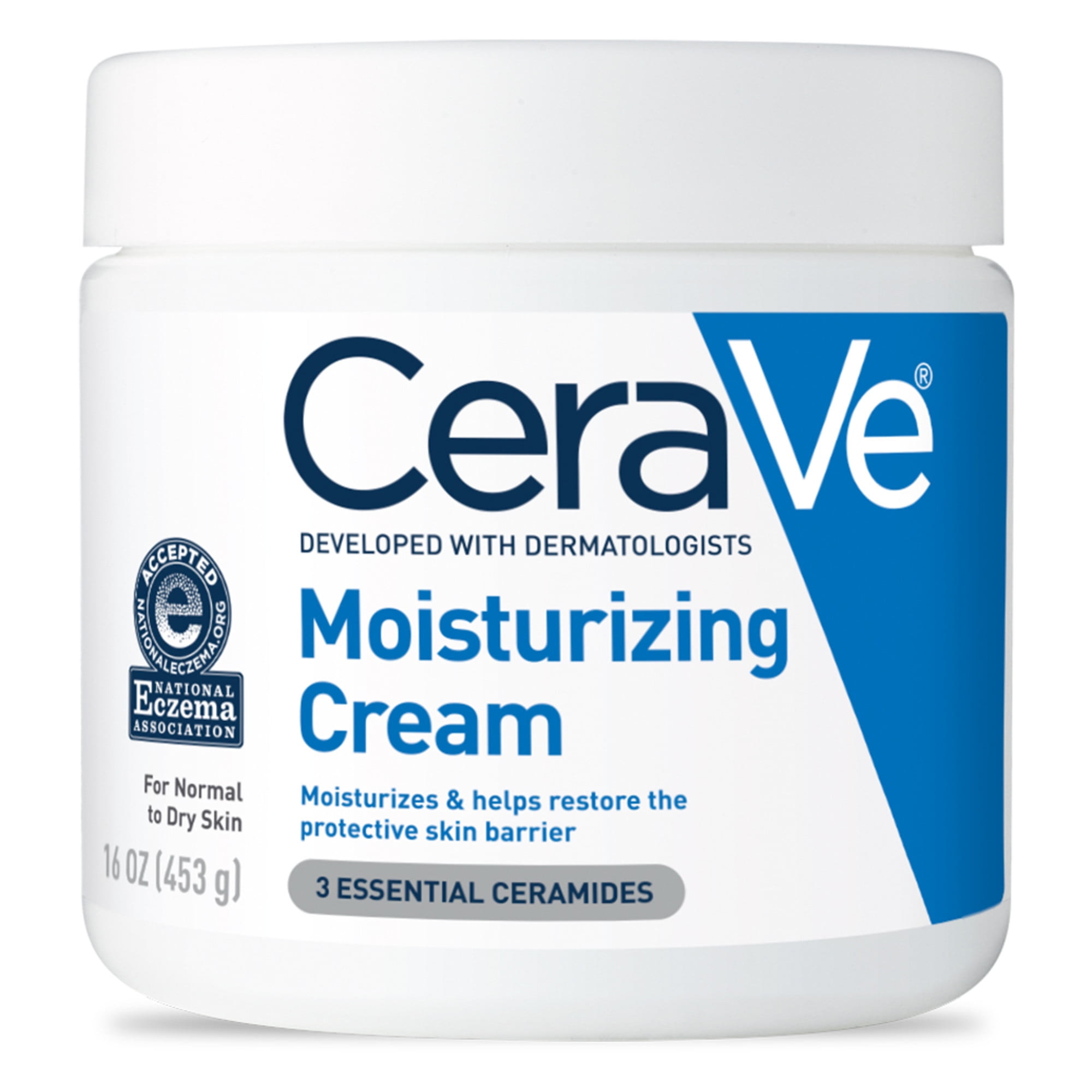
In the ever-evolving universe of skincare, the question of whether to apply moisturizer before or after toner can incite spirited debates. Understanding the optimal order of these products can significantly enhance your skincare routine and boost your complexion. This article delves into the intricate details of these two pivotal components, offering insight into their roles in skin care and providing guidance on the best application techniques.
First, we need to define what toner and moisturizer are, as well as their respective functions in a skincare regimen. Toners are liquid products used after cleansing the skin, designed to restore pH balance, remove residual impurities, and prepare your skin for subsequent treatments. They often contain beneficial ingredients such as hydrators, antioxidants, and exfoliants. Moisturizers, on the other hand, serve to hydrate and protect the skin barrier. They contain emollients and occlusives that lock in moisture, ensuring that your skin remains supple and resilient against environmental aggressors.
Now, you might be wondering why the sequence matters. The efficacy of skincare products can be influenced greatly by the order in which they are applied. Toners are typically lighter than moisturizers, allowing them to absorb quickly into the skin. This rapid absorption is crucial as it allows the skin to soak up the active ingredients in the toner, thereby maximizing its benefits.
When applying toner, it’s best to use a cotton pad or your fingers, gently pressing it onto the skin rather than rubbing. This method enhances penetration and minimizes any potential irritation. After allowing toner to settle for a few moments, proceeding with a moisturizer can seal in the hydration provided by the toner, creating a harmonious layering effect that fortifies your skin’s moisture barrier.
On the contrary, using moisturizer before toner can undermine the toner’s effectiveness. If you apply a thicker cream first, it can form a barrier that prevents the toner from reaching the deeper layers of your skin, thus diminishing the benefit of the toner’s active ingredients. Moisturizers generally need to stay atop the skin to be effective, thereby confirming the rationale behind the toner-and-then-moisturizer approach. This method not only helps in hydration retention but also allows the skin to absorb the advantageous compounds from both products.
A common misconception is that toners are unnecessary, particularly if your skin feels adequately hydrated after cleansing. However, the truth is that toners can play a vital role, especially for those with oily or acne-prone skin. They can aid in minimizing pores and reducing excess oil, which might otherwise lead to breakouts. For dry or sensitive skin types, locating a gentle, hydrating toner is key; ingredients such as glycerin or aloe vera can provide soothing moisture while avoiding harsh chemicals.
It is important to consider the specific ingredients in your toner and moisturizer when deciding on their order. For example, if your toner is astringent or features exfoliating acids such as salicylic acid or glycolic acid, it can help cleanse and prep the skin for enhanced hydration from a heavier moisturizer. Conversely, pairing a lightweight, gel-based moisturizer with a toner rich in antioxidants can amplify your skin’s radiance without feeling greasy.
Another fascinating dimension to explore is the emerging trend of layering skincare products—a practice that has originated from K-beauty routines. This technique can involve multiple layers of toners, essences, and moisturizers, each serving a unique purpose. If you are particularly enthusiastic about skincare, this might be an avenue worth exploring.
Let’s not overlook the seasonal aspects of skincare routines as well. In the summer months, opting for lighter formulations may work wonders, while richer creams could be more beneficial during the dry winter season. Modifications in your skincare order and product type based on your skin’s varying needs can lead to a more adaptive and effective regimen.
For those prone to acne, a light, oil-free moisturizer following a toner can help further reduce breakouts while keeping the skin adequately hydrated. Similarly, if you have hyperpigmentation or are dealing with aging skin, consider incorporating serums rich in active ingredients—such as vitamin C or hyaluronic acid—either after toner and before moisturizer, or even as a separate step between them. Expanding your product line-up can create a more personalized approach tailored to your individual complexion type.
Beyond order and product composition, the tools you use play a significant role too. A jade roller or gua sha can enhance the application, promoting circulation and lymphatic drainage while ensuring product absorption. Using these tools can turn a basic skincare routine into a refreshing ritual that you look forward to each day.
Ultimately, the narrative surrounding “moisturizer before or after toner” is as much about personal preference and skin type as it is about product efficacy. Experimentation is vital; what works splendidly for one person may not yield the same results for another. Pay attention to how each product interacts with your skin and adjust accordingly.
To sum up, applying toner before moisturizer is the gold standard. This sequence enhances the absorption of toner’s beneficial ingredients while ensuring your skin is nourished and hydrated effectively. With the right approach, your skincare regimen can elevate your skin to a realm of luminosity and resilience. So, incorporate these insights into your routine, and watch as your complexion transforms into its most radiant self.