
Petra Collins has carved an indelible niche in the contemporary art world, successfully intertwining the themes of adolescence and self-exploration through her lens. Renowned for her poignant visual storytelling, her art serves as an introspective journey that resonates with the complexities of coming of age. Through a non-traditional approach, Collins invites viewers to grapple with the expectations that accompany this tumultuous phase of life.
At the core of Collins’ oeuvre is the exploration of identity—an ever-present theme that reverberates throughout the lives of young individuals as they navigate the intricate tapestry of adolescence. The expectations imposed by society, peers, and familial structures create a labyrinthine pressure, pushing one to question their sense of self. Collins deftly captures this experience in her works, rendering the internal turbulence external. She mirrors the collective angst of a generation striving for authenticity amidst cacophonous external demands.
The visual narrative she constructs often hinges upon relatable characters—each emblematic of various facets of youth. From rebellious spirits to introspective dreamers, Collins encapsulates their struggles and triumphs within her visual vernacular. Through each photograph, there exists a profound sense of vulnerability, a candid confrontation with the paradox of youth: the desire for freedom juxtaposed against the weight of expectation.
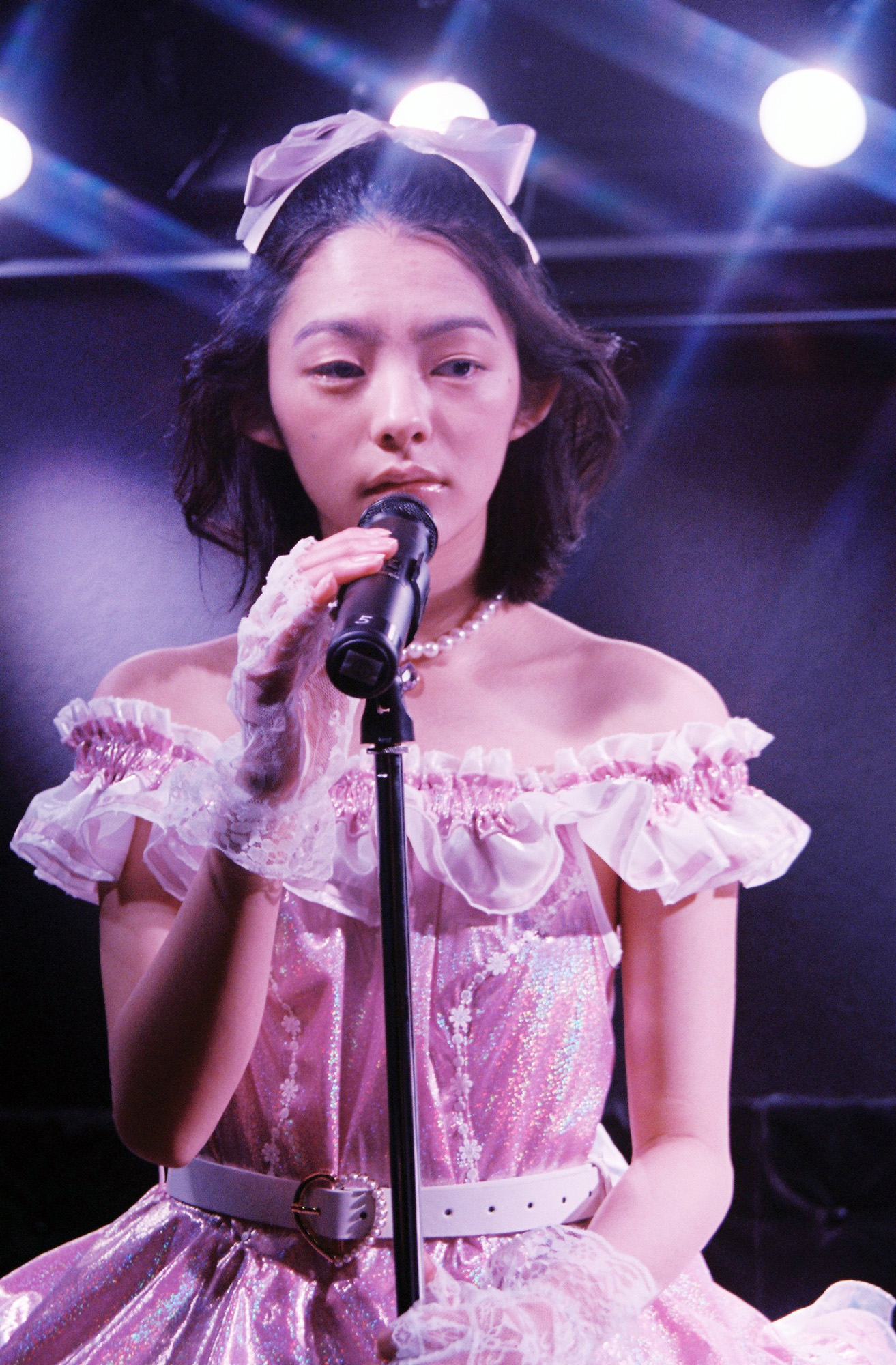
A significant element of Collins’ artistry is the aesthetic quality of her images. Her use of soft focus and pastel color palettes evokes a dreamlike quality, amplifying the emotional resonance of her subjects. This deliberate choice not only heightens the visceral experience of the viewer but also symbolizes the often ephemeral nature of youth itself. In the deft interplay of light and shadow, she captures moments of both clarity and confusion—a hallmark of coming-of-age experiences. This visual language is a powerful tool for encapsulating the dichotomy of hope and despair, revealing the nuanced spectrum of adolescent emotion.
This exploration of expectation is particularly poignant in Collins’ portrayal of female subjects, where the pressure to conform to societal norms is palpably illustrated. Her characters embody a rawness that challenges conventional notions of femininity. They navigate social landscapes laden with unrealistic ideals, often unearthing a sense of agency amidst the chaos. In these depictions, Collins serves not only as an observer but as a curator of narratives that inspire resilience and self-acceptance.
In juxtaposition to traditional representations of youth, which often glorify superficial beauty or uncritical rebellion, Collins offers a more authentic approach. Her work challenges viewers to engage critically with the complex realities of young adulthood. The characters she presents are layered and multifaceted, mirroring the real lives of individuals who are often at odds with the societal templates they are expected to fit into. This raw portrayal invites a deeper examination of the concept of ’the ideal,’ as each character confronts expectations not only from the world but also from within.
The realm of social media, which has become an omnipresent influence in modern youth culture, also plays a pivotal role in Collins’ artistic explorations. In a world where validation is often sought through likes and shares, her characters grapple with the dichotomy of curated personas versus authentic self-representation. Collins navigates these turbulent waters by depicting moments of both strength and fragility, illustrating the impact of digital culture on self-perception. Through her lens, one can discern a troubling yet relatable truth: the conflict between external validation and internal satisfaction often permeates the coming-of-age journey.
Furthermore, Collins’ collaboration with various mediums — including video and performance — enriches her narrative capacity. Each medium expands the dialogue initiated by her photographs, creating a multidisciplinary approach to the themes she explores. This cross-pollination of art forms echoes the multifaceted nature of youth itself, where experiences cannot be easily categorized but rather exist in a rich interplay of sound, sight, and emotion. Each piece, whether a static image or a kinetic performance, contributes to a comprehensive dialogue about expectation, agency, and self-identity.
Moreover, Collins’ work prompts critical discussions about mental health, an often-taboo subject within the context of adolescence. By portraying her characters in states of contemplation and distress, she brings to light the substantial emotional toll that societal pressures can enact. This candid representation serves as a reminder of the importance of open dialogue surrounding mental health, offering solace to those navigating their own tumultuous coming-of-age journeys. As her narratives unfold, they encourage audiences to reflect on their own experiences, fostering a sense of solidarity among viewers who might feel isolated in their struggles.
In conclusion, Petra Collins’ art stands as a profound exploration of the coming-of-age experience. Through her lens, viewers are invited to witness the delicate balance between societal expectations and personal truth. Each character conveys a narrative steeped in authenticity—a reflection of the multifaceted, at times dissonant, experience of growing up. By capturing the raw essence of youth in all its complexities, Collins has not only crafted an evocative visual journey but has also fostered a critical conversation about identity, agency, and the transformative power of self-acceptance in the face of external pressures. In the realm of modern art, her contribution is not only significant but necessary—challenging norms and offering a refreshing perspective on the ever-evolving journey toward understanding oneself within a collective context.