
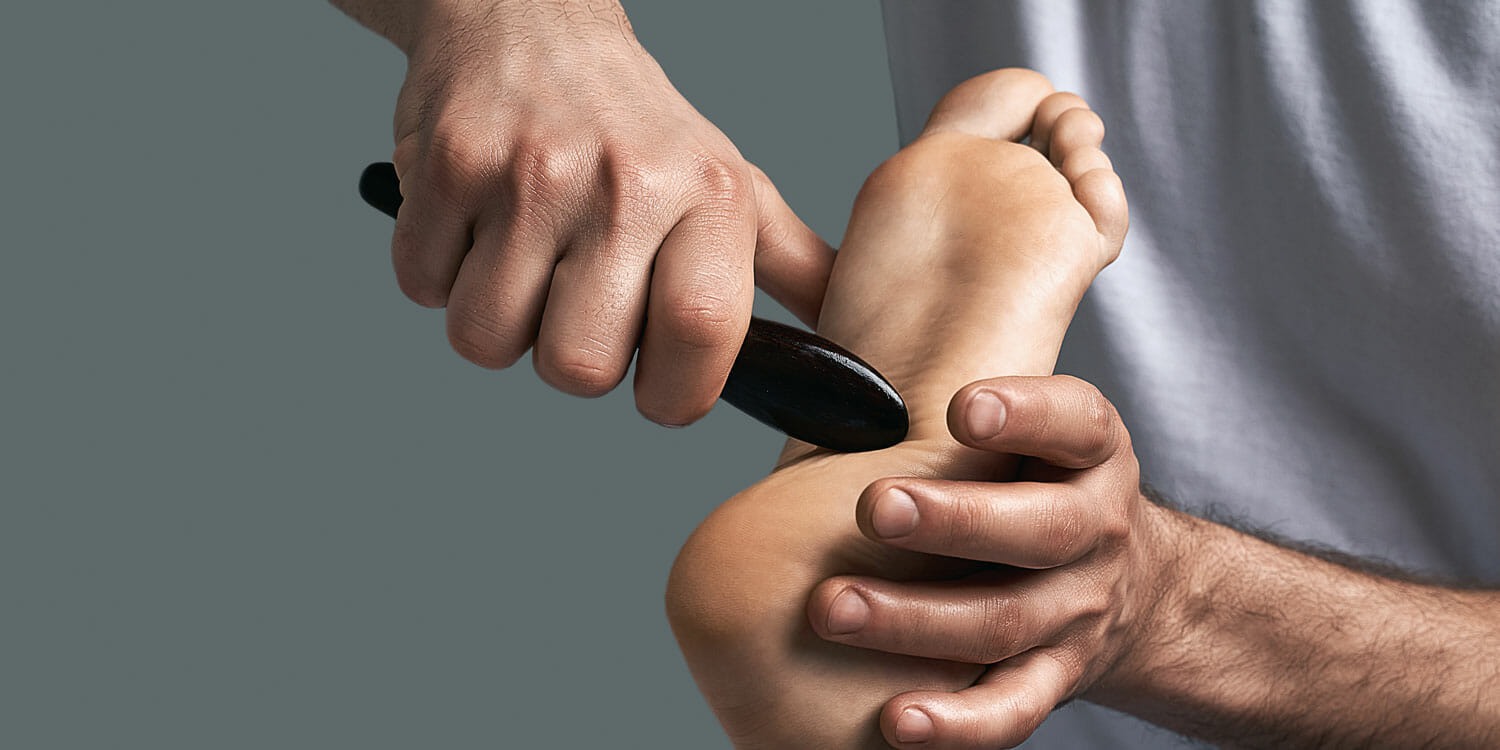
Physical therapy muscle scraping, often referred to as instrument-assisted soft tissue mobilization (IASTM), has garnered considerable attention in the realm of sports and rehabilitation. This innovative technique employs specialized instruments to gently scrape the skin’s surface, stimulating the underlying muscles and tissues. It may sound unconventional, but the myriad benefits of this treatment make it worthy of deeper exploration.
Muscle scraping tools, typically crafted from stainless steel or super-durable plastic, have become staples in physical therapy environments. Their ergonomic design allows practitioners to navigate the body’s contours efficiently while applying the right amount of pressure. But what precisely are the benefits of employing this method? Let’s delve into the intricacies.
- Enhanced Blood Flow
One of the primary benefits of muscle scraping is its ability to enhance blood circulation. When the scraping tool glides across the skin, it generates microtrauma to the soft tissues. This process signals the body to increase blood flow to the targeted area, delivering essential nutrients and oxygen while aiding in the removal of metabolic waste. Greater circulation not only speeds up the healing process but also promotes overall tissue health.
- Reduced Muscle Tension
Muscle tension is a common complaint among individuals, particularly those leading an active lifestyle. Whether it’s due to exercise, poor posture, or chronic stress, muscle tension can inhibit performance and increase discomfort. The scraping technique helps alleviate this tension by mechanically breaking down adhesions and connective tissue restrictions. This ultimately leads to improved flexibility and a greater range of motion.
- Pain Relief
Many young athletes and fitness enthusiasts endure injuries that result from overtraining or improper technique. Muscle scraping can offer significant pain relief, particularly in cases of chronic conditions like tendonitis or plantar fasciitis. By stimulating the nerves in the targeted area, the technique can effectively diminish the sensation of pain, providing practitioners with a much-needed respite from their symptoms.
- Improved Athletic Performance
For the burgeoning athlete, every edge in performance counts. The unorthodox method of muscle scraping can play a pivotal role in enhancing athletic capabilities. By promoting better circulation and decreasing muscle tension, athletes can recover more rapidly between workouts. This revitalization allows for more productive training sessions, ultimately leading to improved strength, endurance, and overall performance.
- Accelerated Recovery
Post-exercise recovery is crucial for anyone engaged in sports or high-intensity training. Muscle scraping helps to reduce recovery time by promoting the body’s inherent healing processes. With its ability to stimulate lymphatic drainage and minimize inflammation, the body can recover more swiftly from exertion. This is especially beneficial for younger athletes who may train frequently and require their bodies to bounce back efficiently.
- Scarring Reduction
Scar tissue can complicate recovery and lead to long-term mobility issues. Muscle scraping is effective at breaking down scar tissue and promoting the regeneration of healthier tissue. By incorporating this technique, individuals can witness tangible improvements in tissue quality and pliability, which is essential for maintaining optimal function and performance in the long run.
- Non-Invasive Treatment
For those hesitant about more invasive treatment options, muscle scraping presents a non-invasive alternative. Many young individuals may prefer therapies that do not involve medication, injections, or surgeries. The intuitive nature of muscle scraping, coupled with its compatibility with various modalities, makes it an attractive choice for those seeking tangible results without the need for invasive procedures.
How Muscle Scraping Works
The process of muscle scraping is relatively straightforward, albeit nuanced. It typically begins with the application of a lubricating agent, such as a lotion or oil, to the targeted area. The physical therapist or practitioner then employs the scraping tool at specific angles and pressures, focusing on areas of tension, pain, or dysfunction. Each stroke aims to stimulate the soft tissue beneath while promoting blood flow to facilitate healing.
The treatment duration varies depending on the individual’s needs, but most sessions last between 15 and 30 minutes. Post-treatment, it’s common to experience mild redness in the area due to increased circulation. Patients are generally encouraged to drink plenty of water to assist in flushing out toxins released during the process.
What to Expect
Individuals considering muscle scraping should be prepared for a uniquely invigorating experience. While there might be a sensation of discomfort during the scraping, it is typically fleeting and accompanied by a profound sense of relief afterward. Post-treatment soreness may occur, resembling that of a deep tissue massage, but most find the benefits outweigh any temporary discomfort.
In conclusion, the muscle scraping technique offers extensive benefits for younger individuals seeking an edge in their physical pursuits or recovering from injuries. By improving blood flow, reducing muscle tension, and accelerating recovery processes, this innovative method stands out as a formidable tool in modern physical therapy. As more people discover its advantages, muscle scraping may well become a staple in wellness routines and athletic training programs alike.