
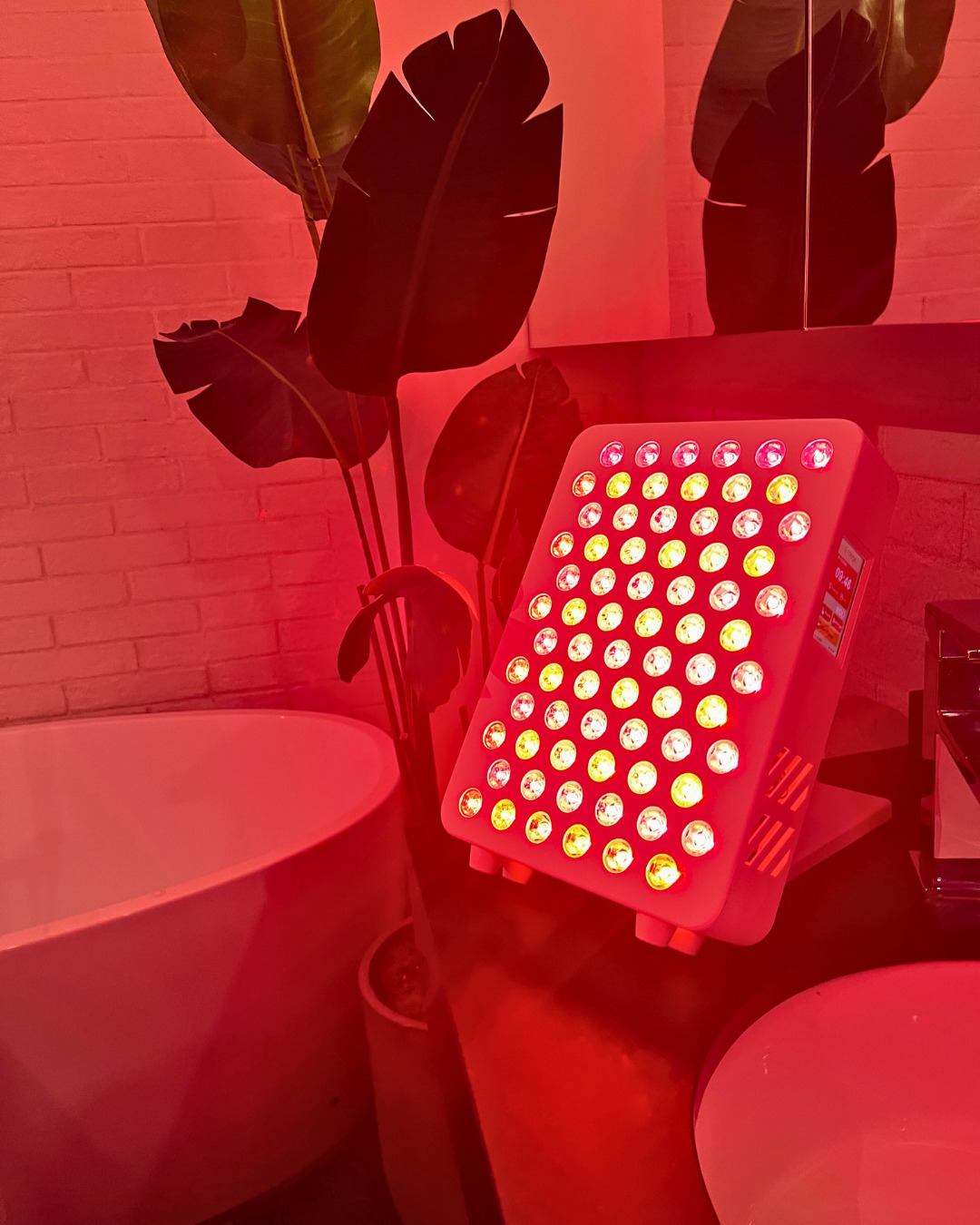
The humble broken capillary—that errant splash of crimson, that web of amethyst beneath the dermis—is often dismissed as a mere cosmetic grievance, an artifact of aging or a sunburn’s petty vengeance. But what if this vascular indelibility is not a flaw, but a signal? What if the treatment, far from being a blunt-force erasure, is a recoding of your tissue’s acoustic memory? Welcome to the strange, photon-rich world of red light therapy—a modality that promises not a cover-up, but a cellular reconciliation.
The Telangiectasia Tangle: More Than a Surface Stain
Telangiectasia is not a singular lesion; it is a vascular betrayal. These dilated vessels—often invisible to the naked eye until they become stigmatizing—are a failure of the microcirculatory system’s architectural integrity. They appear as threadlike, stellate, or arborizing patterns, most commonly on the nasal alae, malar cheeks, and nasal bridge. Their etiology is a rogue’s gallery of insults: chronic photodamage, rosacea, hormonal upheavals, mechanical stress (from repeated nose-blowing or aggressive exfoliation), and even the long-term use of topical corticosteroids. The vessel wall weakens, its pericyte support collapses, and blood pools in a stagnant tributary beneath the epidermis. This is not skin “breaking.” This is a structural surrender.
Why Red Light? The Phototherapeutic Paradox
We are conditioned to think of red as the color of alarm—a siren, a stop sign, a wound. Yet in the spectral language of chromophores, red (typically 630–660 nanometers) is the wavelength of cellular appeasement. Unlike the ablative carnage of a laser, red light therapy does not heat, vaporize, or destroy. It works through a process called photobiomodulation: photons penetrate to the mitochondrial cytochrome c oxidase, upregulating ATP synthesis, reducing oxidative stress, and modulating inflammatory cytokines. For a broken capillary, this is not a cauterization. It is a whisper to the endothelial cells to tighten, to reorganize, to re-establish their own barricade. The vasculature listens.
The Disappearing Act: How Photons Reabsorb Vascular Ghosts
There is no literal erasure. The broken capillary does not vanish before your eyes like a trick of stage lighting. Instead, the red light stimulates the release of nitric oxide, a vasodilator that paradoxically helps the vessel relax, then recoil. Simultaneously, it encourages the formation of mature collagen and elastin in the surrounding dermal matrix—a scaffold that physically supports the vessel wall. Over successive sessions, the telangiectatic vessel becomes less visible, its hemoglobin less prone to pooling. The skin thickens, the redness fades, and the vascular ghost is gradually reabsorbed into the metabolic economy of your face. It is a slow, quiet victory, measured in weeks, not minutes.
The Myth of Instant Gratification: A Temporal Reckoning
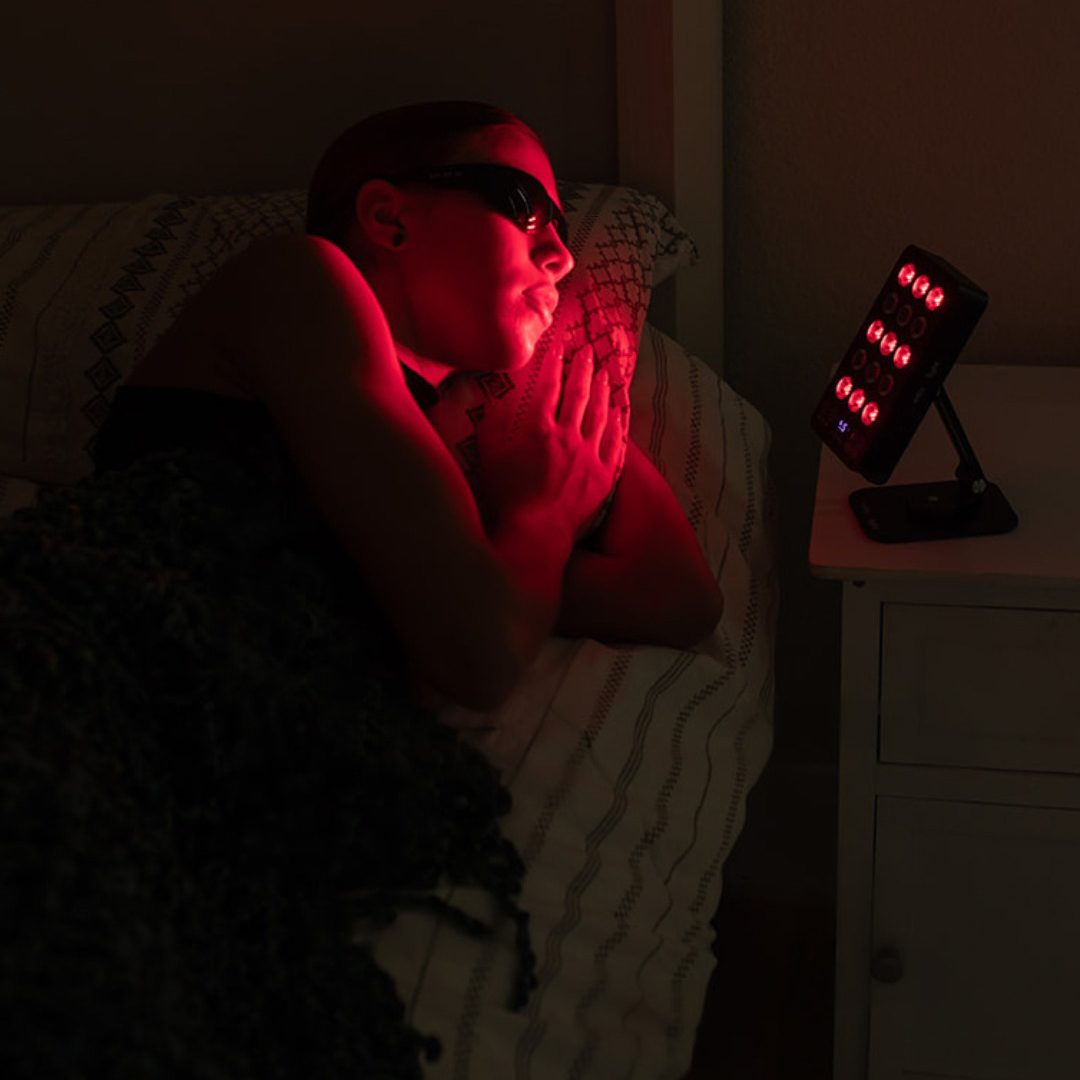
We live in an era of immediate results: fillers that plump in minutes, lasers that zap in nanoseconds. Red light therapy demands a recalibration of your temporal expectations. It is a cumulative, hormetic stressor—a low-dose insult that activates cellular repair pathways. A single session is akin to a single yoga posture: beneficial, but not transformative. The real work happens between sessions, as fibroblasts proliferate, macrophages clear debris, and mitochondria hum with renewed vigor. Patients who abandon after two weeks, seeking the instant pallor of a clinic, will miss the slow dawn of structural correction. This is a therapy for the patient who understands that skin is a story, not a screenshot.
The Ancillary Alchemy: Beyond the Capillary
Herein lies the provocative twist: the telangiectasia is merely a symptom. The real beneficiary of red light therapy is the entire cutaneous ecosystem. The same photons that fortify a broken vessel also calm the flare of erythema, reduce the sebaceous hyperactivity of acne-adjacent rosacea, and even stimulate hair growth in the vellus follicles of the forehead. You are not treating a single thread; you are recalibrating an entire microenvironment. The redness on your cheek is a cry for help from a dermatological infrastructure that has lost its equilibrium. Red light therapy does not silence that cry—it answers it, orchestrating a symphony of repair across every layer of the integument.
The Dosage Dogma: Nanometers and Joules Matter
Not all red light is created equal. The wavelength must be precise—660 nm is the gold standard for dermal penetration, though 630 nm offers a more superficial, anti-inflammatory effect. Power density (measured in milliwatts per square centimeter) and total energy fluence (joules per square centimeter) determine whether you are performing photobiomodulation or merely illuminating the room. A 10-minute session at 20 mW/cm² with a 10 cm distance is a different creature than a 30-minute session at 5 mW/cm². The clinical literature suggests a sweet spot: 4–6 J/cm² per session, two to three times per week, for a minimum of 8–12 weeks before telangiectasia shows measurable regression. This is not a wellness trend. This is a dosimetric art form.

The Skeptic’s Counterpoint and the Data Divide
Detractors will point to the paucity of large-scale, randomized controlled trials specifically for telangiectasia. They are correct. The evidence base remains nascent, often extrapolated from studies on wound healing, diabetic ulcers, and general photodamage. But to dismiss the modality on these grounds is to ignore the biomechanical plausibility—and the lived experience of thousands of patients who watch their spider veins fade, their flush recede, their skin achieve a quiet, vascular equanimity. The skeptic demands a hammer where a scalpel is needed. Red light therapy is not a cure-all; it is a precision tool for the patient willing to engage in a dialogue with their own biology.
A New Lexicon for Vascular Skin
The language we use for telangiectasia betrays our impatience. We call them “spider veins,” “broken capillaries,” “redness”—words that suggest something broken, damaged, inferior. What if we reframed them as “vascular signatures”—unique patterns of blood flow and past trauma inscribed on the skin? Red light therapy invites us to view these marks not as blemishes to be erased, but as signals of a system that can, with the right photonic stimulus, re-navigate its own course. The capillary does not heal because we attack it. It heals because we remind it of its original blueprint. The light is the instruction manual. The skin is the scribe.