

You stand at the precipice of a dermatological duel, a clash of cellular titans that promises to redefine the very architecture of your dermis. On one corner, the venerable Rejuran Healer, the OG salmon-sperm savior that has whispered promises of regeneration to a generation of skincare obsessives. On the other, the brash new kid, Rejuran Turnover, a formulation that flaunts its exfoliative edge like a gladiator wielding a serrated blade. The question is not which one is “better” in some abstract, vacuum-sealed sense. The question is far more intimate, more treacherous: which one is willing to lie to you about what it takes to truly rebuild? Let’s plunge into the viscous, DNA-laced morass and find out.
The Protonym of Piscine Power: Decoding the PDRN Paradox
The linchpin of both these injectables is polynucleotide, specifically polydeoxyribonucleotide (PDRN) derived from the milt of salmon. This is not mere cosmetic fluff; it’s a signal molecule that hijacks your fibroblasts, forcing them to churn out collagen and elastin with the desperate fury of a factory on fire. Healer uses a high-molecular-weight PDRN, a slow, deliberate architect that burrows into the deep reticular dermis, constructing a scaffold of resilience over multiple sessions. Turnover, however, employs a fragmented, lower-molecular-weight variant that acts more like a cellular whisperer, penetrating faster but with a different, more surface-level agenda. 
Healer’s Hagiography: The Slow Burns of Collagenous Devotion
Rejuran Healer is the ascetic monk of the aesthetic world. It doesn’t promise immediate gratification. It promises a pilgrimage. Each microneedle injection deposits viscous pools of PDRN that trigger a sustained inflammatory cascade, a controlled wound-healing response that thickens the skin from the inside out after a period of post-procedural swelling. The titular healing is not metaphorical; it’s a literal, biological siege of your own aging tissue. The texture improves, pore size diminishes, and that ghastly photoaged parchment-thin quality is replaced by a subterranean plumpness. But it demands patience. The results are cumulative, a slow accrual of dermal wealth that most impatient souls cannot stomach. You will look worse before you look better, and that is the covenant.
Turnover’s Tyranny: The Lactic Acid Assault
Enter Turnover, the heretic. This formulation is Healer’s prodigal son, returning from the wilderness with a vial of reckoning. The key difference is the addition of a high concentration of L-lactic acid—a potent alpha-hydroxy acid—directly into the PDRN cocktail. This is not a subtle synergy. It is a chemical exfoliation delivered *during* the biostimulation. The result? Immediate textural smoothing, a surface-level glow that Healer can only dream of for the first few weeks. 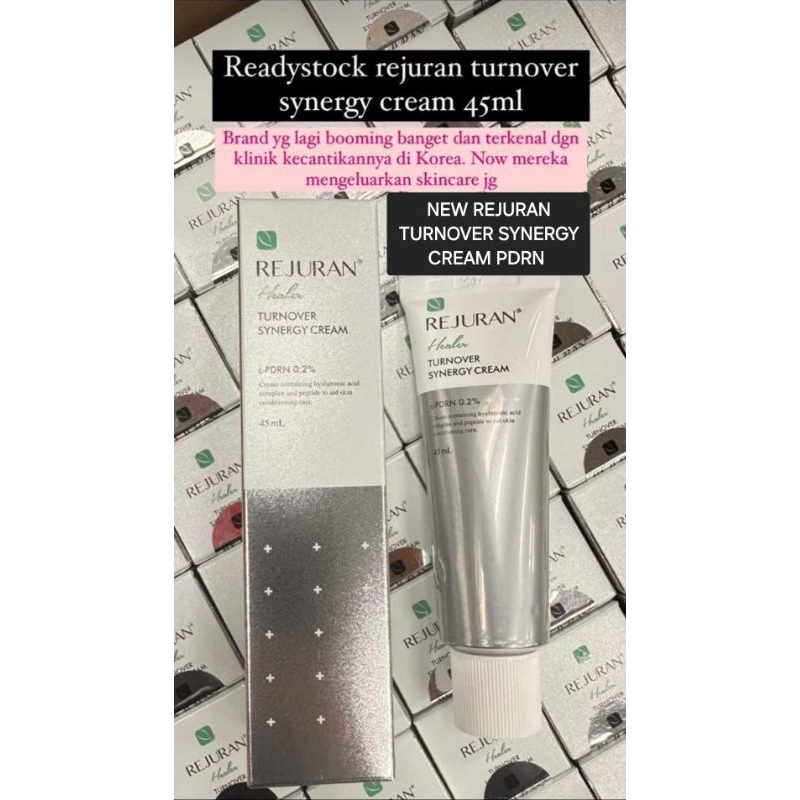
The Nexus of Noxious Aftermath: Downtime and Discomfort
Both require needles, and both will leave your face looking like a battleground. Healer’s aftermath is a classic, voluptuous swelling—a temporary adiposity that makes you look like a cherubic, mildly allergic chipmunk for three days. The papules are firm, the bruising is heavy, and the peeling is minimal. Turnover, however, introduces a new demon: the epidermal exfoliation. The lactic acid peels the top layers of your skin while the PDRN works below, creating a dual-phase recovery. You will experience flaking, peeling, and a raw, windburned sensitivity that Healer rarely induces. The challenge is that Turnover misleads you into thinking the process is faster, but the visible recovery—surface peeling—is simply different, not easier. The pain of application is sharper due to the acidic sting, a venomous kiss that Healer’s neutral pH avoids.
Chronicity and the Cunning of the Clock
Healer builds a cathedral. You need three to four sessions, spaced a month apart, to see the true vaulted ceiling of dermal thickness. The results last up to six months, sometimes longer, because you have induced a fundamental change in the tissue biology. Turnover, with its aggressive surface action, gives you a faster win—glow in two weeks—but the biostimulatory effect is shallower. The fragmented DNA works quickly but is metabolized faster. You might need more frequent maintenance sessions to prevent the lactic acid’s sheen from wearing off and revealing the same underlying atrophy. The question becomes a temporal trap: do you want a fleeting, spectacular affair or a steady, unglamorous marriage to your own collagen?
The Verdict of the Viscous Vials: A Playful Provocation
So, Healer or Turnover? The playful barb of this entire inquiry is that you are asking the wrong question. The real provocation is this: are you brave enough to accept that true repair is boring, painful, and invisible for months? Or do you crave the dopamine hit of an immediate, albeit cosmetic, rescue? Healer is for the stoic, the architectural planners who can tolerate looking like a tomato to look like a goddess later. Turnover is for the impatient voyeur, the one who wants to see the dead cells fall away *as* the needle pierces, but who might be perpetually chasing a surface that never deepens.