
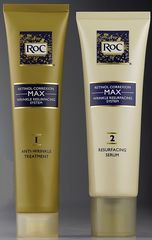
The ROC Retinol Correxion Max Wrinkle Resurfacing System has garnered considerable attention in the beauty and skincare community, often lauded for its potential in combating the signs of aging. With its active ingredient focusing on retinol, a derivative of vitamin A known for its effectiveness in promoting skin renewal, this product promises an array of benefits. But does it truly deliver on its promises? This article delves into the workings of the ROC Retinol Correxion system, examining its efficacy, expected results, and the science behind its formulation.
First, let’s dissect what the ROC Retinol Correxion Wrinkle Resurfacing System entails. This product is a comprehensive anti-aging treatment that combines the power of retinol with complementary ingredients designed to enhance skin texture, tone, and overall radiance. Initial expectations often revolve around improved skin appearance, which includes the reduction in fine lines and wrinkles, diminished hyperpigmentation, and heightened brightness. With these aspirations firmly in mind, consumers typically approach the product hoping for transformative outcomes.
Understanding the science behind the active ingredients is crucial. Retinol functions primarily by accelerating cell turnover. This means that the older, damaged skin cells that contribute to a sallow complexion are efficiently sloughed away, revealing a fresher layer beneath. Over time, users may experience a gradual fading of wrinkles due to the stimulated production of collagen, a protein that provides structure and elasticity to the skin. With continued use, ROC aims to facilitate significant improvements in skin texture and firmness.
Another key ingredient in the ROC formulation is broader anti-aging technology, which often includes a mix of antioxidants. These aid in neutralizing free radicals that cause oxidative stress, a major contributor to premature aging. Antioxidants not only fight against environmental aggressors but also work synergistically with retinol to enhance results. This multifaceted approach underscores the brand’s commitment to developing a product that addresses various aspects of skin aging, rather than merely focusing on surface-level treatment.
Users typically experience noticeable improvements with consistent application, ideally on a nightly basis to mitigate sensitivity. However, it’s essential to have realistic expectations regarding timelines. Initial changes may be subtle, such as increased smoothness and some minor tightening. Most users should anticipate seeing more conspicuous results after several weeks of steadfast application. It’s not uncommon for individuals to report significant enhancements after three to six months, making patience an indispensable virtue in the journey toward rejuvenated skin.
However, potential users should remain cognizant of some common side effects associated with retinol use, particularly during the early stages of introduction. Skin irritation, redness, and peeling are frequent complaints, especially for those with sensitive skin types. To mitigate these adverse effects, it is advisable to commence use gradually; this can involve starting with a lower concentration of retinol or utilizing the product every other evening until the skin acclimates. Moreover, the incorporation of a robust moisturizer is recommended to counteract dryness and promote a balanced skin environment during treatment.
When evaluating its efficacy, it is worth considering the various skin types and conditions individuals may possess. For instance, those with oily or combination skin might find the formula particularly advantageous, as retinol can help clear pores and reduce the occurrence of acne. Conversely, individuals with naturally dry or sensitive skin may encounter challenges that necessitate personalized approaches. Consulting with a dermatologist can aid in tailoring a regimen that aligns with one’s unique skin profile and desired outcomes.
Furthermore, lifestyle factors also play a pivotal role in the overall success of any skincare routine. Maintaining a well-rounded diet rich in vitamins and staying adequately hydrated are essential adjuncts to topical treatments. Additionally, utilizing sunscreen daily cannot be overstated. Retinol can increase photosensitivity, therefore using broad-spectrum SPF protection helps safeguard the skin against UV damage, supporting the efficacy of the treatment and preventing further skin aging.
From anecdotal evidence, many consumers have reported significant satisfaction with ROC Retinol Correxion Wrinkle Resurfacing System. Users celebrate visible improvement not only in the reduction of fine lines but also in the enhancement of overall skin tone and texture. The product has garnered loyal followers due to its accessibility and affordable price point compared to many high-end alternatives, making it a commendable option for those seeking effective anti-aging solutions without the hefty financial investment.
In conclusion, while the ROC Retinol Correxion Max Wrinkle Resurfacing System is not a panacea for all skin concerns, it offers a quintessential option for those aiming to address the premature signs of aging and achieve a refreshed complexion over time. Armed with knowledge of its formulation, expected outcomes, and appropriate usage practices, users can embark on their skincare journey equipped for success. As with any cosmetic treatment, individual results may vary, but the potential rewards for those who commit to a regular regimen are undeniably promising.